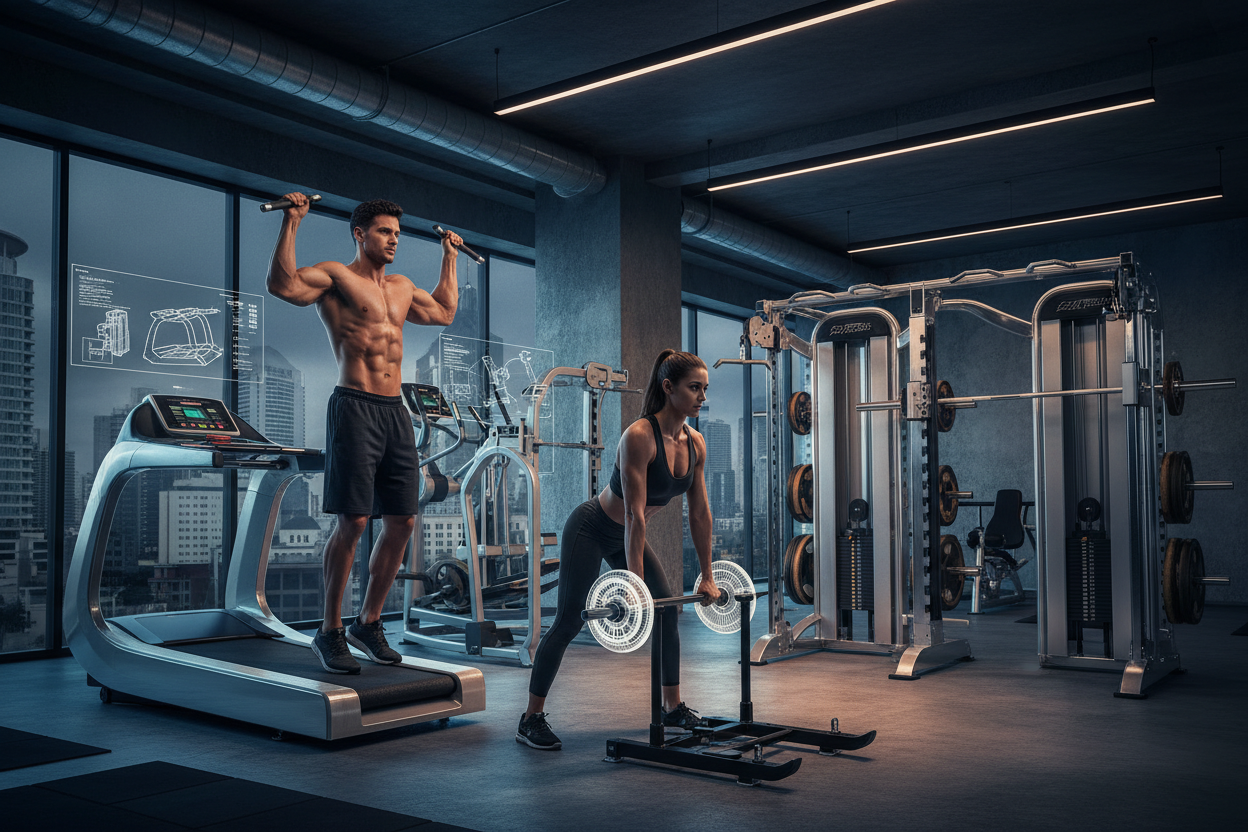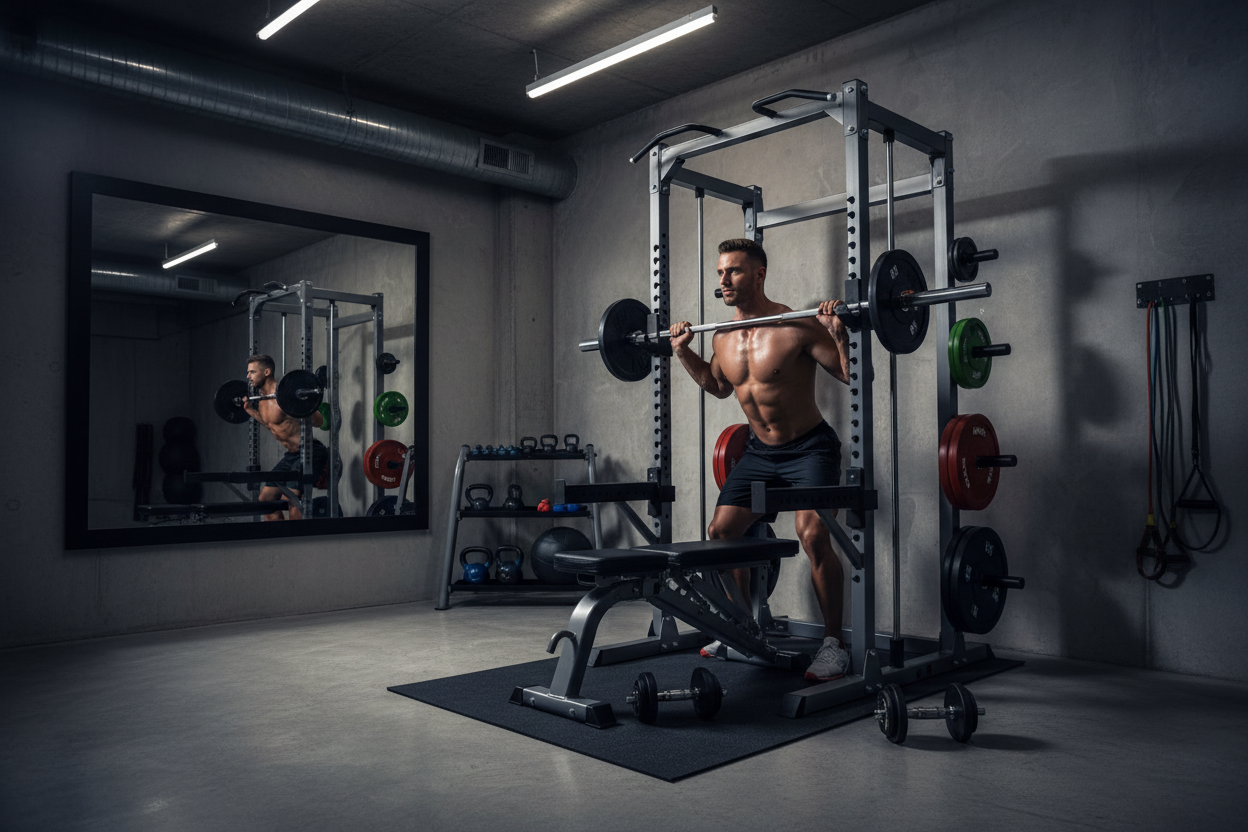
Exercise Station Essentials: What to Know Before You Buy
If your garage or spare bedroom is starting to look like a cluttered graveyard of mismatched dumbbells and resistance bands, it might be time to consolidate. Building a home gym doesn't mean you need the square footage of a commercial facility. For many North American homeowners and apartment dwellers, the smartest move is investing in an all-in-one exercise station.
Whether you are looking to build serious muscle, improve functional strength, or simply break through a frustrating workout plateau, a dedicated setup can completely transform your training. In this guide, we will break down exactly what to look for, how to plan your space, and how to get the most out of your investment.
Key Takeaways
- An exercise station consolidates multiple machines into one compact footprint, saving valuable floor space.
- Look for a workout station with a dual-pulley system and adjustable weight stacks for maximum versatility.
- Always measure your ceiling height; most standard units require at least 84 inches of vertical clearance.
- Entry-level stations use nylon pulleys, while commercial-grade options feature aluminum pulleys for a smoother glide.
Fitting an Exercise Station Into Your Home
One of the biggest mistakes buyers make is underestimating the true footprint of their equipment. It is not just about the machine's dimensions—it is about the working space required around it.
The Garage vs. The Spare Room
If you are setting up in a garage, ceiling clearance is rarely an issue. However, basement gyms and spare bedrooms often have standard 8-foot (96-inch) ceilings or lower drop ceilings. Most premium exercise stations stand between 80 and 84 inches tall. You need to account for an additional 12 to 18 inches of clearance above the unit if you plan on doing pull-ups or muscle-ups so you do not put your head through the drywall.
Key Specs to Compare Before Buying
Not all home gym setups are created equal. When comparing different models, pay close attention to the build materials and resistance mechanisms.
Weight Stacks vs. Plate-Loaded
A selectorized workout station (using a built-in weight stack) offers unparalleled convenience for quick drop sets and supersets. However, if you are on a strict budget, a plate-loaded system provides incredible value, allowing you to use the Olympic plates you already own. Keep an eye on the weight capacity; advanced lifters should look for stations rated for at least 300 pounds of resistance per cable.
Pulley and Cable Quality
The smoothness of your workout relies entirely on the pulley system. Entry-level models often use plastic or nylon pulleys with unsealed bearings, which can feel jerky over time. For a commercial-gym feel, prioritize stations that feature aluminum pulleys and high-tensile aircraft cables.
Maximizing Your Workout Station
Having a versatile setup means you can hit every major muscle group without moving from machine to machine.
Programming for Full-Body Gains
Your exercise station shines when used for functional, multi-planar movements. Instead of just doing standard lat pulldowns and triceps pushdowns, incorporate cable woodchoppers, single-arm chest presses, and glute kickbacks. The constant tension provided by the cables is excellent for hypertrophy and joint health, making it a perfect complement to heavy free-weight barbell training.
From Our Gym: Honest Take
We recently spent six months testing a popular mid-tier exercise station in our uninsulated warehouse facility. The versatility is undeniably fantastic. Being able to transition from low-cable rows to overhead triceps extensions in under ten seconds kept my heart rate up and slashed my total workout time by 15 minutes.
However, there is a caveat. The specific model we tested featured a 2:1 cable ratio. While this is great for explosive movements, it means a 100-pound stack only provides 50 pounds of actual resistance. As a heavier lifter, I found myself maxing out the stack on lat pulldowns much faster than expected. If you are an advanced lifter, I highly recommend looking for a 1:1 ratio machine or opting for a dual-stack system with at least 200 pounds per side.
Frequently Asked Questions
Is an exercise station worth the investment for a beginner?
Absolutely. For beginners, an all-in-one station provides a safe, guided range of motion that helps build foundational strength without the immediate need for a spotter or complex barbell mechanics.
How much floor space do I actually need?
While the machine itself might only take up a 4x4 foot square, you should plan for a minimum active footprint of 6x6 feet. This ensures you have enough room to fully extend the cables and safely perform exercises like lunges or chest flyes.
Can I build muscle with just a workout station?
Yes. Because these stations allow for progressive overload and constant muscle tension through a full range of motion, they are highly effective for hypertrophy (muscle growth) when paired with a proper diet and consistent routine.