Exercise Mat Heavy Duty: Stop Ruining Your Floors
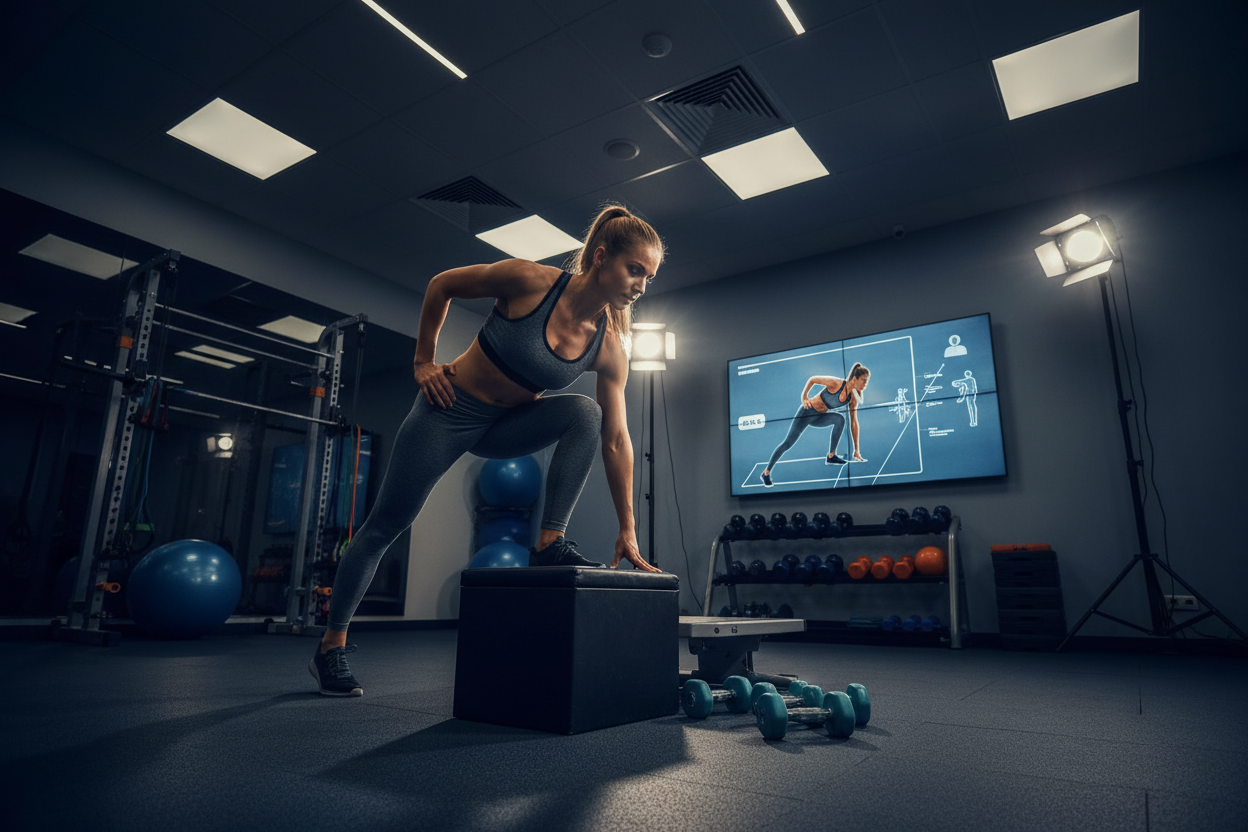
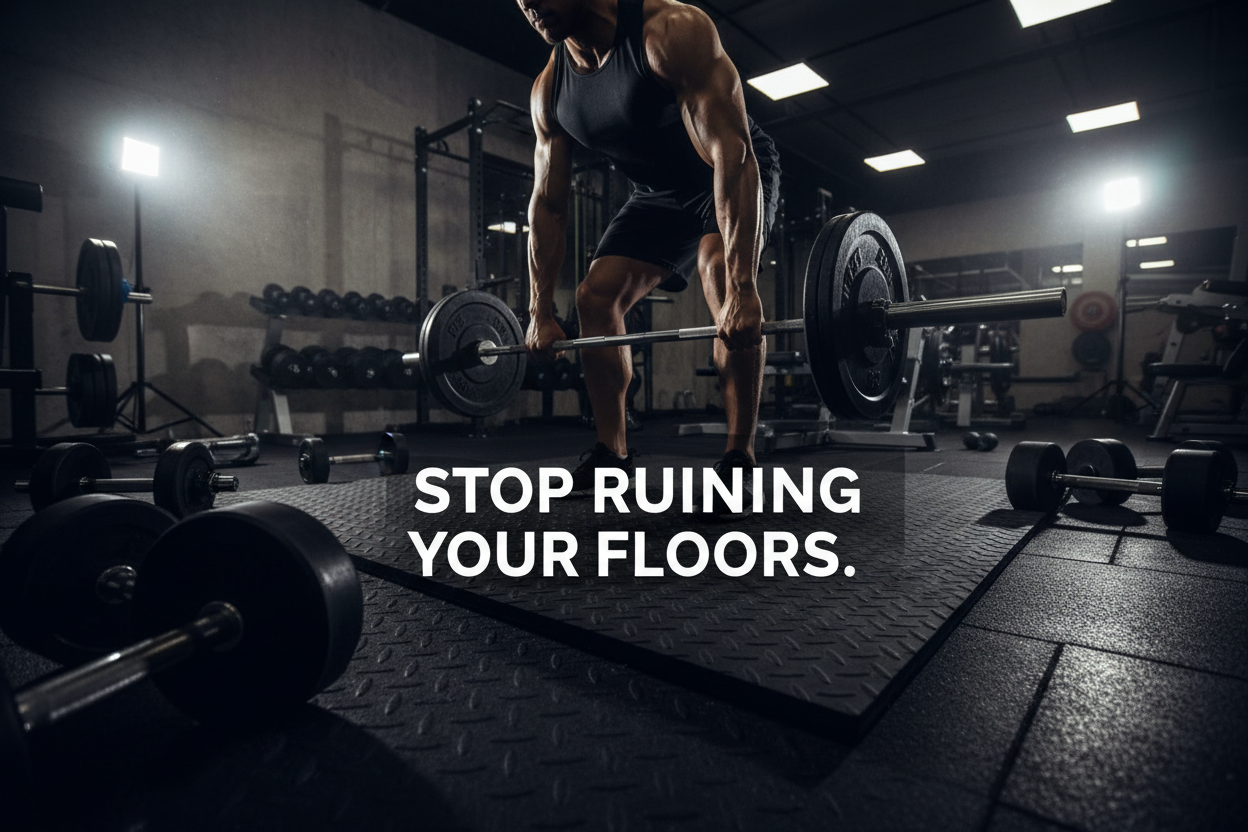
If you have ever torn a cheap foam yoga mat in half during mountain climbers or winced as a dropped dumbbell gouged your hardwood, you know the struggle. Standard mats simply cannot survive the rigorous demands of a serious home gym setup. Investing in an exercise mat heavy duty enough to handle dropped weights, high-impact cardio, and heavy equipment is one of the smartest upgrades you can make for your training space.
In this guide, we are breaking down exactly what separates a true heavy duty workout mat from the flimsy alternatives, helping you protect your joints, your floors, and your budget.
Key Takeaways
- Material matters: Vulcanized rubber and high-density PVC offer the best durability for heavy lifting and high-impact workouts.
- Optimal thickness: Look for at least 8mm (5/16 inch) for cardio and bodyweight, and up to 3/4 inch for dropping heavy free weights.
- Equipment compatibility: A true heavy duty mat will not permanently compress under the weight of power racks or treadmills.
- Floor protection: The right mat acts as a shock absorber, preventing cracks in concrete and scratches on hardwood subfloors.
Decoding Mat Materials and Density
Not all gym flooring is created equal. When shopping for an exercise mat heavy duty enough for daily abuse, density is far more important than squishy comfort.
Rubber vs. High-Density PVC
Commercial-grade rubber is the gold standard for heavy lifting. It absorbs shock efficiently and resists tearing under the knurling of dropped barbells. High-density PVC, on the other hand, is excellent for cardio, plyometrics, and wearing shoes indoors, as it prevents slipping and will not flake over time. Avoid EVA foam puzzle tiles if you plan to lift heavy—they compress permanently and pull apart during lateral movements.
The Thickness Factor
Thickness dictates application. A 1/4-inch to 8mm heavy duty workout mat provides enough joint support for HIIT and kettlebell swings. However, if you are setting up a deadlift station or moving heavy dumbbells, you need at least 1/2-inch to 3/4-inch thickness to prevent shockwave damage to your concrete or wood subfloor.
Sizing Your Space for Heavy Duty Mats
Before purchasing, measure your designated workout zone and account for the footprint of your movements, not just your equipment.
Garage Gyms vs. Spare Bedrooms
For garage gyms, large rolled rubber mats or 4x4 horse stall mats are cost-effective and cover large concrete areas seamlessly. If you are outfitting a spare bedroom or apartment corner, large one-piece PVC mats (typically 6x4 or 8x6 feet) are ideal. They roll out flat over carpet or hardwood without requiring messy adhesives, and they are much lighter to move if you need to reclaim the room.
Long-Term Wear and Maintenance
A premium mat should last a decade with proper care. The key to longevity is preventing sweat and chalk buildup from degrading the material.
Cleaning and Odor Control
Heavy duty rubber and PVC are generally non-porous, meaning they will not absorb sweat like cheap foam. A simple weekly mop with water and a few drops of mild dish soap is all it takes. Avoid harsh bleach or ammonia-based cleaners, as these can dry out rubber and cause it to crack over time.
From Our Gym: Honest Take
We recently tested a 7mm high-density PVC heavy duty workout mat in our primary testing garage. At 6'2 and 215 lbs, I need a surface that will not shift when I am doing aggressive burpees or kettlebell snatches. This mat stayed glued to the epoxy floor without any double-sided tape.
The real test came when I accidentally dropped a 50lb hex dumbbell from waist height directly onto the mat. The mat took the impact perfectly—no permanent indentation, and more importantly, no cracked epoxy underneath. The only minor caveat? Fresh out of the box, industrial mats have a distinct off-gassing smell. I had to leave the garage door open with a fan running for about three days before the rubbery scent dissipated. It is a small price to pay for floor armor, but definitely something to plan for if you are putting this in a poorly ventilated basement.
Frequently Asked Questions
Is an exercise mat heavy duty enough for a power rack?
Yes, provided it is made of high-density rubber or specialized PVC. High-density mats will not permanently compress under the weight of heavy equipment like power racks or treadmills. Avoid EVA foam, which will crush under the load.
How thick should a heavy duty workout mat be?
For general fitness, HIIT, and dumbbell work, 7mm to 8mm is sufficient. If you are dropping barbells or heavy bumper plates, you should invest in mats that are at least 1/2-inch to 3/4-inch thick to protect the subfloor.
Can I put a heavy duty gym mat over carpet?
Yes, thick PVC and heavy rubber mats can be placed over low-pile carpet. However, they may still shift slightly during lateral movements. For plush carpets, placing a rigid piece of plywood beneath the mat can provide the necessary stability for heavy lifting.