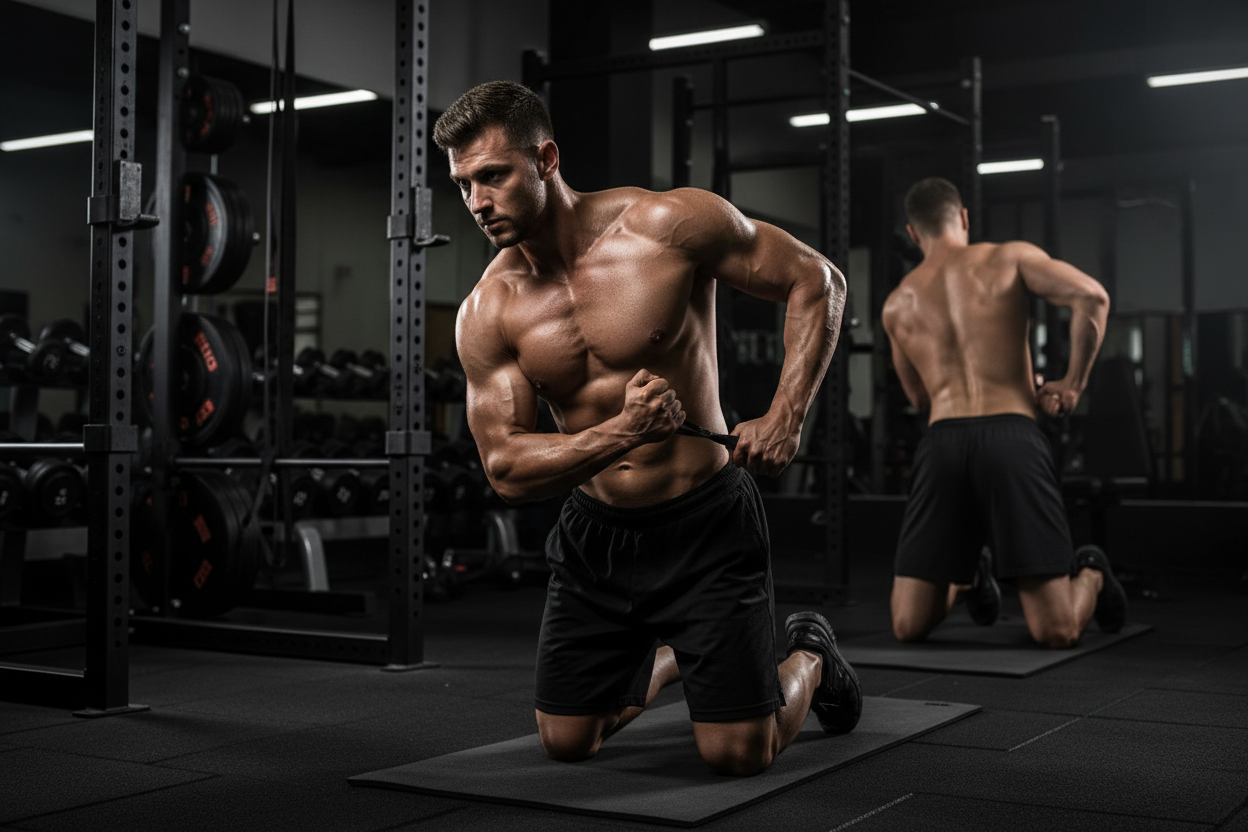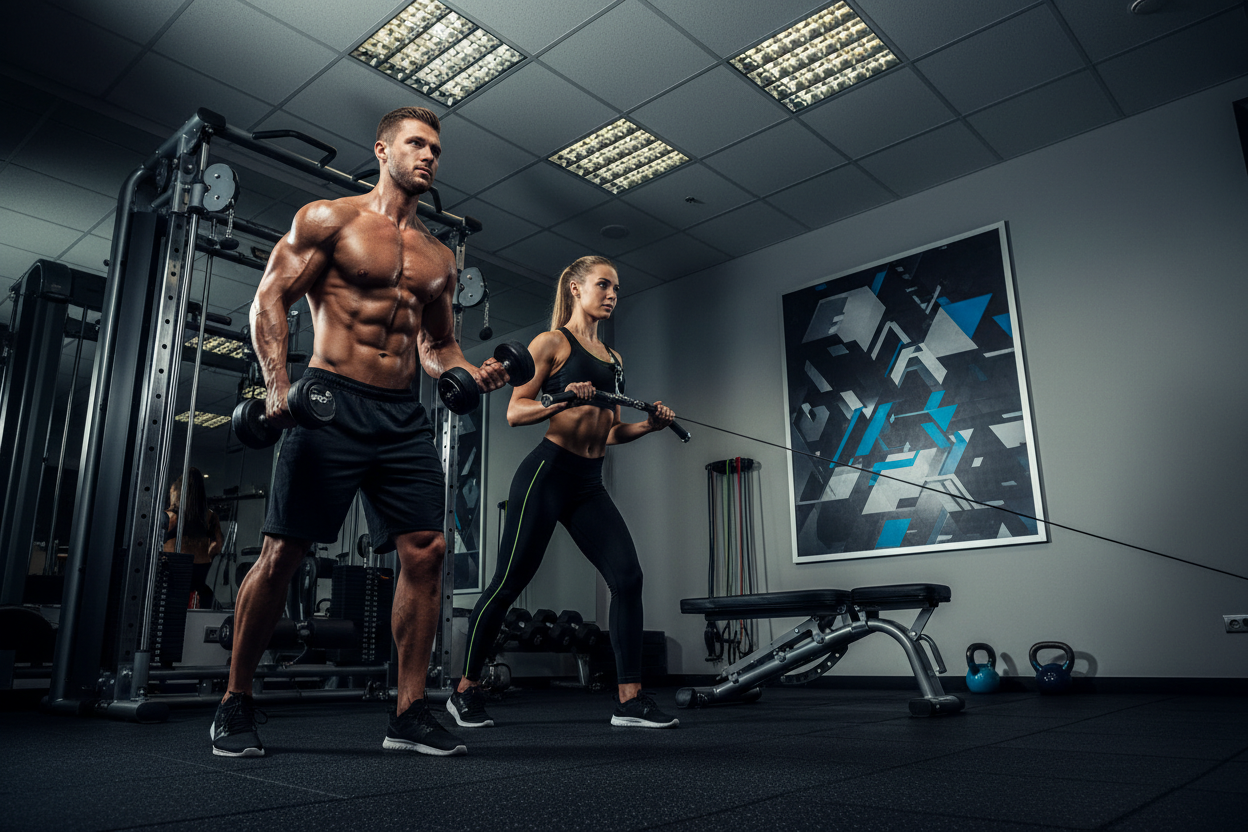
Exercise Equipment Routines to Transform Your Home Gym
It is incredibly frustrating to invest thousands of dollars into a beautiful home setup, only to stare at your power rack and dumbbells wondering what to do next. Without proper exercise equipment routines, even the most premium, commercial-grade gear easily becomes an expensive coat rack. A home gym is only as effective as the programming you run inside it.
This guide bridges the gap between owning great equipment and actually getting results from it. Whether you are dealing with a compact apartment setup or a fully outfitted two-car garage, we will break down how to structure your training, optimize your space for seamless transitions, and maximize the return on your fitness investment.
Key Takeaways
- Structured programming prevents plateaus and ensures you utilize every piece of gear you own.
- A reliable gym equipment workout routine should balance heavy compound movements with targeted isolation work.
- Space planning dictates your flow; grouping equipment logically makes supersets and circuits infinitely easier.
- Progressive overload matters far more than the sheer volume or price tag of the equipment you have.
Building a Reliable Gym Equipment Workout Routine
The biggest mistake home gym owners make is walking into their space without a strategy. To get the most out of your gear, you need a structured approach that targets all major muscle groups while accommodating the specific tools at your disposal.
The Push-Pull-Legs Framework
One of the most effective ways to structure your training is the Push-Pull-Legs (PPL) split. This gym equipment exercise plan allows you to maximize recovery while hitting muscle groups twice a week. On push days, your adjustable bench and heavy dumbbells will be the stars for presses and flyes. Pull days rely heavily on your pull-up bar, barbell rows, and functional trainer if you have one. Leg days are where your squat rack and bumper plates finally earn their keep.
Adapting for Limited Gear
Not everyone has a functional trainer or a dedicated leg press machine. If you are working with limited tools, your workout routine for gym equipment needs to prioritize versatility. Landmine attachments, for example, are budget-friendly additions that unlock dozens of new movements, from T-bar rows to goblet squats, proving you do not need a massive footprint to get a comprehensive workout.
Optimizing Space for Your Gym Equipment Exercise Plan
How you arrange your home gym directly impacts the flow of your workouts. If your adjustable dumbbells are ten feet away from your bench and blocked by a stationary bike, you are going to skip your supersets.
Garage Gyms vs. Apartment Corners
For a garage gym, create designated 'zones'. Keep your power rack and barbells in a heavy lifting zone, and dedicate a corner to your dumbbells, kettlebells, and resistance bands. If you are executing a workout plan with gym equipment in a tight apartment corner, invest in vertical storage. Wall-mounted plate trees and vertical barbell holders free up floor space, ensuring you have the necessary clearance (usually a minimum of 6x8 feet) to perform lunges and deadlifts safely.
From Our Gym: Honest Take
When I first set up my own garage gym, my gym equipment workout plan was an absolute mess. I had a beautiful 3x3 power rack with a 1-inch hole spacing, but I was wasting 15 minutes a session just moving J-cups and safety pins up and down between squats and bench presses. I quickly learned to structure my routine so that all my heavy barbell work was completed first, minimizing equipment adjustments.
Another hard lesson: standard lat pulldown bars often lack the aggressive knurling needed for heavy back days. Once I swapped my stock cable attachment for a premium stainless steel bar, my chalked grip held solid through heavy sets, completely changing my pull days. The takeaway? Tailor your routine to minimize equipment friction, and do not be afraid to upgrade the touchpoints (like handles and grips) on your machines.
Frequently Asked Questions
How do I build a workout routine for gym equipment?
Start by auditing your gear. Identify your primary heavy lifters (like a barbell or heavy dumbbells) and build your routine around compound movements first. Fill in the gaps with accessory exercises using lighter dumbbells, kettlebells, or resistance bands.
What is the best workout plan with gym equipment for beginners?
A 3-day full-body split is ideal for beginners. It allows you to practice fundamental movement patterns (squat, hinge, push, pull) frequently without requiring a massive variety of specialized machines. Focus on mastering the equipment you have before buying more.
How often should I update my gym equipment workout plan?
You should stick to a consistent routine for at least 8 to 12 weeks to accurately track progressive overload. After that, you can swap out specific accessory movements or change your rep ranges to break through plateaus and keep your training engaging.