

Exercise Equipment Dimensions: The Definitive Space Planning Guide
You have picked out the perfect power rack. You have the budget ready. You can already picture the gains. But then comes the sinking feeling: will this actually fit in the spare bedroom? Ignoring exercise equipment dimensions is the single most expensive mistake home gym owners make. It isn't just about whether the machine fits through the door; it is about whether you can actually use it without putting a hole in your drywall or hitting your head on the ceiling.
This guide moves beyond basic product specs. We are looking at the critical "live area" requirements that manufacturers often hide in the fine print.
Quick Summary: Space Planning Basics
If you are in a rush to measure your floor plan, here are the core rules of thumb for gym layouts:
- The 7-Foot Rule: Standard Olympic barbells are 7 feet (86 inches) long. You need at least 9 to 10 feet of width to load plates comfortably.
- Treadmill Safety Zone: Never place a treadmill flush against a wall. You need a minimum of 4-6 feet of open space behind the belt for safety.
- Vertical Clearance: For ellipticals and stair climbers, add 20 inches to your height to determine the minimum ceiling height required.
- Functional Footprint: Always add 20-30% to the listed fitness equipment dimensions to account for body movement and maintenance access.
Understanding Footprint vs. "Live Area"
When you look at product pages, you see the static footprint. This is the size of the machine when it is sitting unused. However, static numbers are useless for layout planning. You need to calculate the "live area."
For example, a functional trainer might list a depth of 40 inches. But if you are doing cable flys or lunges, you are stepping out another three feet. If you don't account for this operating space, your expensive gear becomes nothing more than a coat rack because it is too awkward to use.
Cardio Machines: The deceptive Space Hogs
Cardio pieces are notoriously difficult to place because they often require electricity and substantial safety buffers.
Treadmills
Standard gym equipment sizes for treadmills hover around 7 feet long by 3 feet wide. However, the belt moves fast. If you trip, you are thrown backward. If that treadmill is backed up against a wall, you risk severe injury. Always measure a "runway" behind the machine.
Ellipticals and Steppers
These are the enemies of low ceilings. An elliptical pedal at the apex of its rotation can be 15 to 20 inches off the floor. If you are 6 feet tall and have an 8-foot ceiling, you are going to be dangerously close to the drywall. Always measure your ceiling height and subtract the max pedal height plus your own height.
Strength Zones: Racks and Benches
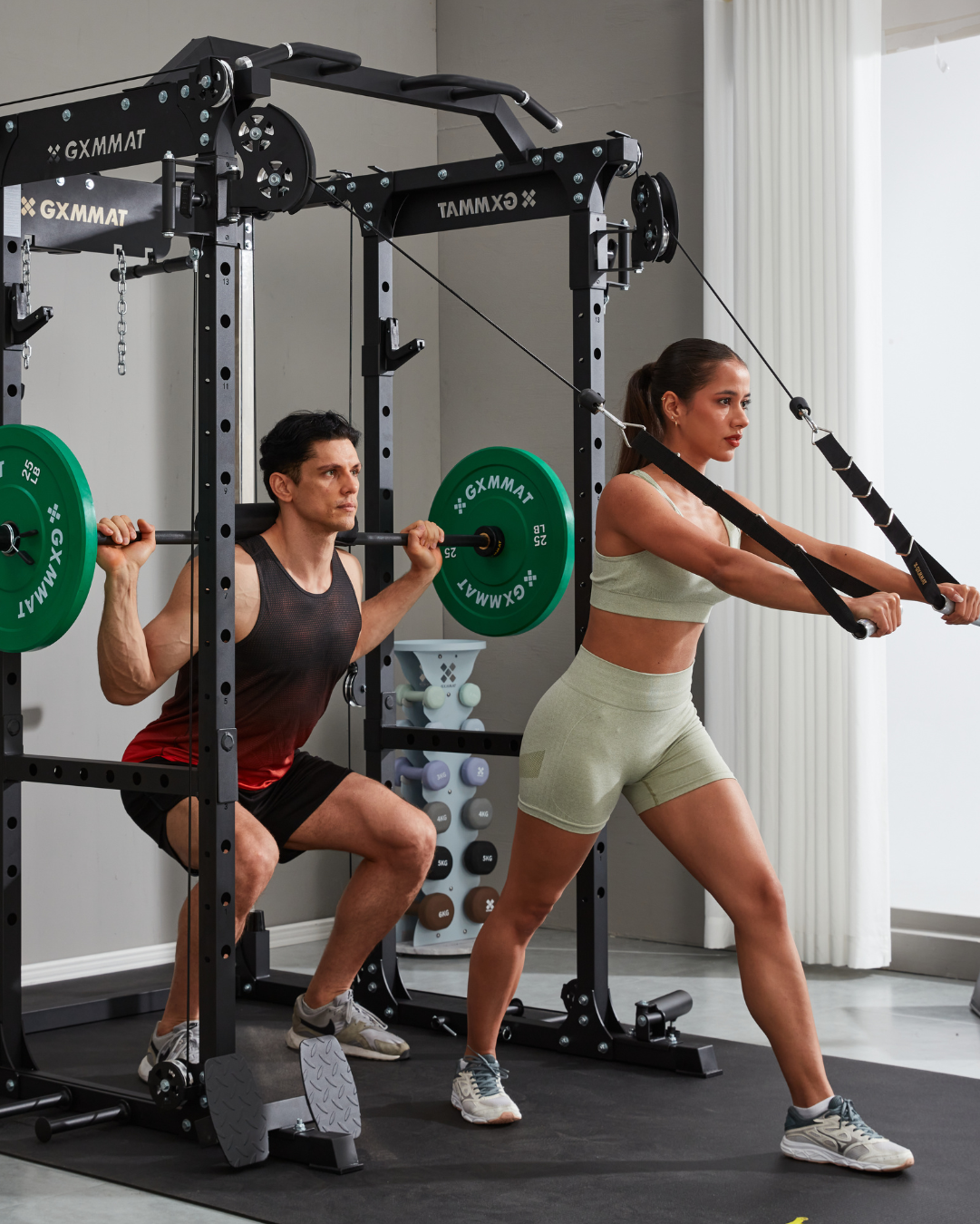
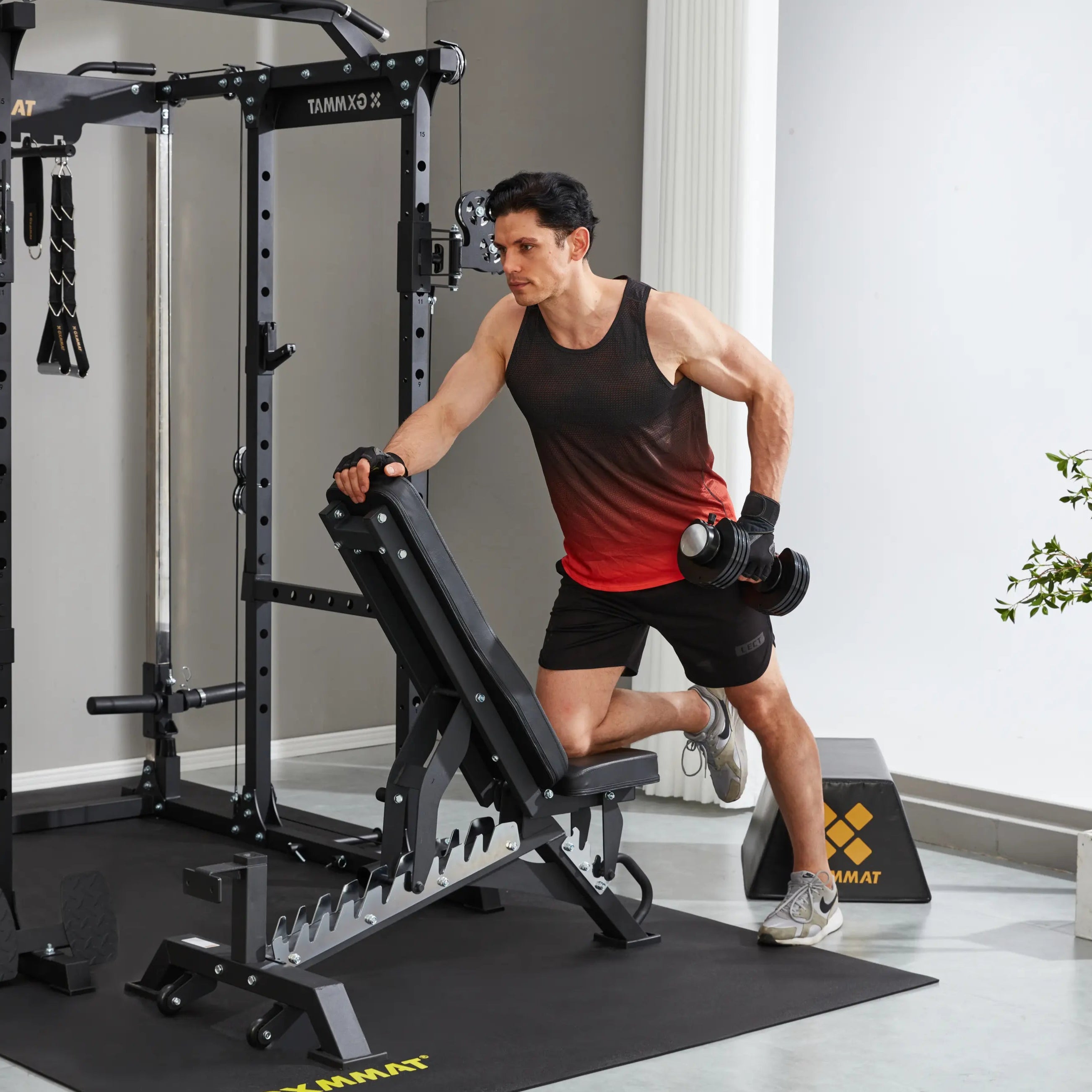
When analyzing gym equipment dimensions for strength training, width is usually the limiting factor. A standard power rack is roughly 48 inches wide. However, you are likely using a standard Olympic bar.
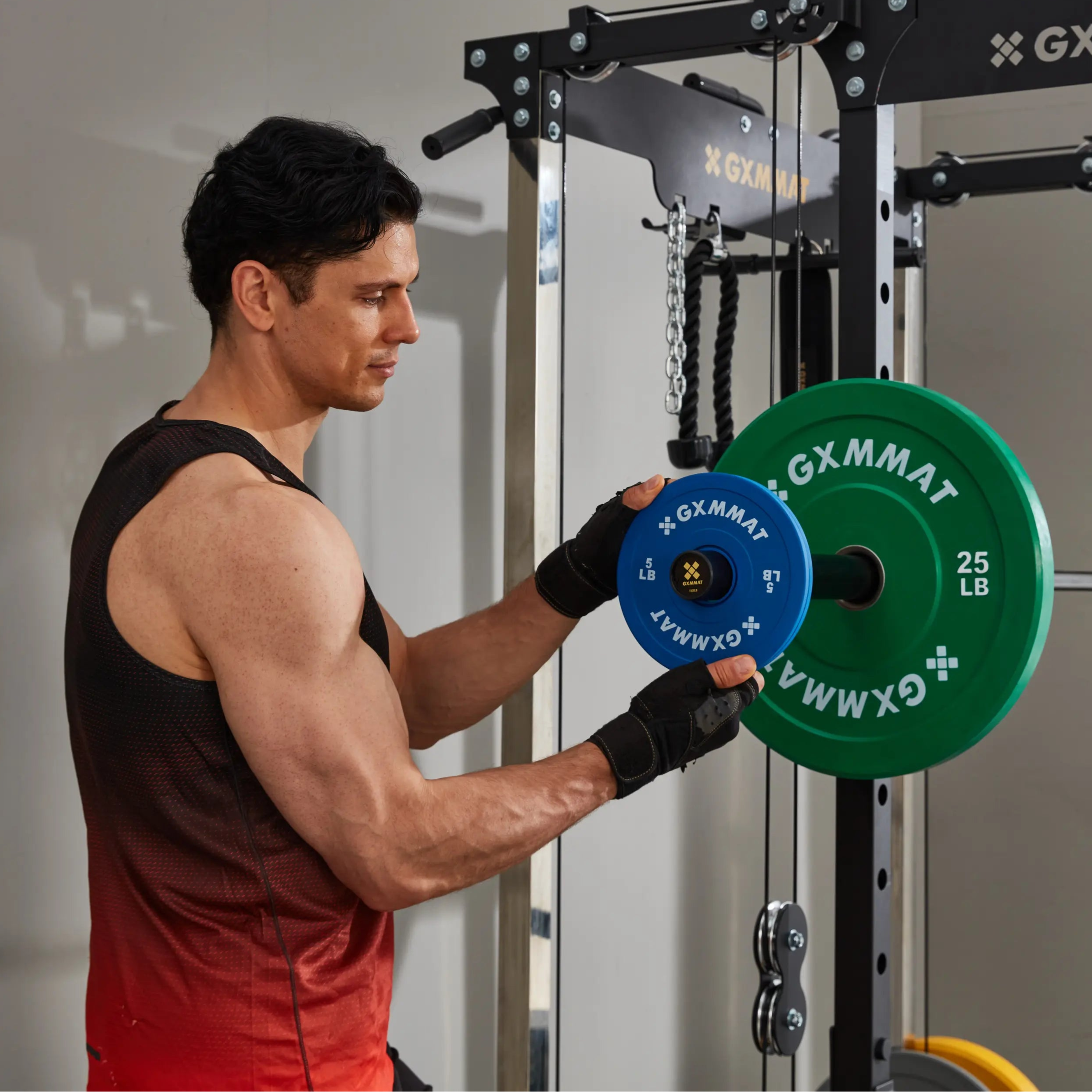
The bar is roughly 7 feet long. If your room is only 8 feet wide, you have six inches of clearance on either side. That sounds doable until you try to slide a 45lb plate onto the sleeve. You will smash your knuckles against the wall. You need a buffer zone to load weights safely.
Flooring and Access measurements
Don't forget the thickness of your flooring. If you are laying down 3/4-inch horse stall mats to protect your foundation, you have just reduced your vertical clearance. When noting down gym equipments measurements, factor in the floor rise, especially if you are working in a basement with ductwork overhead.
My Personal Experience with Exercise Equipment Dimensions
I learned the hard way that "fitting" and "usable" are two very different things. A few years ago, I set up a garage gym and bought a heavy-duty flat bench. I measured the footprint perfectly—it fit right between my rack and the wall storage.
What I didn't account for was the spotter platform on the back of the bench. The first time I tried to drag the bench out for dumbbell rows, the handle caught on the rack's uprights. I had to shimmy the bench sideways every single time I wanted to move it. It scraped the paint off my rack within a week. Even worse was the overhead press issue. I have 8-foot ceilings, but I didn't account for the flooring thickness plus the height of my lifting shoes. During a max effort press, the plates kissed the ceiling joist. That distinct "clunk" sound completely ruined my focus and nearly caused me to drop the bar. Now, I always measure my reach with shoes on before buying anything vertical.
Conclusion
Building a home gym is an investment in your health, but only if the space is functional. Don't trust the brochure numbers blindly. Measure your room, account for your body in motion, and always leave a safety buffer. When in doubt, tape the outline of the equipment on your floor before you click buy. It’s the cheapest insurance you can get.
Frequently Asked Questions
What is the standard ceiling height needed for a home gym?
Ideally, you want 9-foot ceilings to allow for full overhead pressing and pull-ups. However, 8 feet is the standard minimum for most cardio equipment and racks, though you may need to perform seated overhead presses rather than standing.
How much space do I need for a multi-gym station?
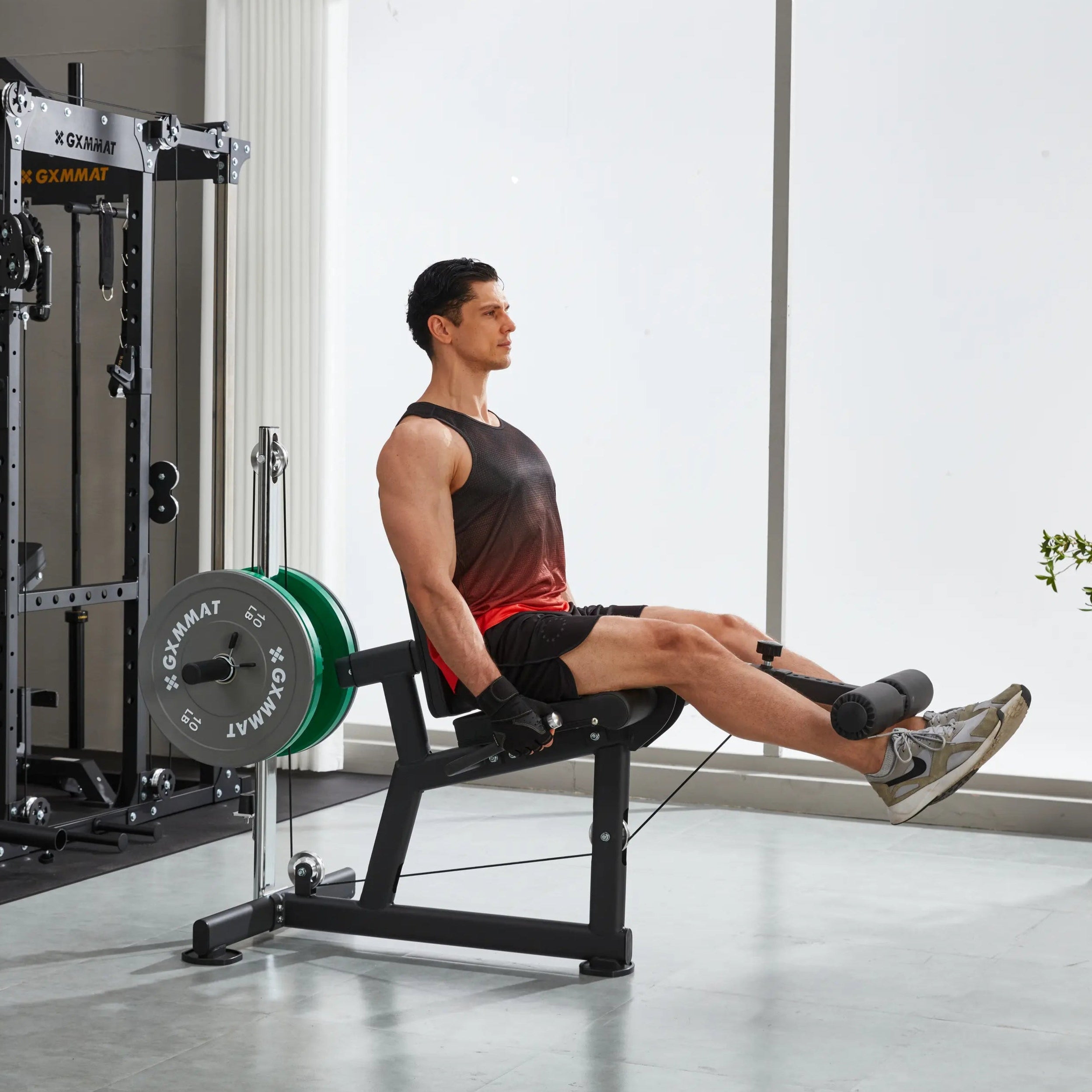
While compact multi-gyms can fit in a 5x5 foot corner, you typically need a 10x10 foot area to use all the stations (leg extensions, lat pulldowns) comfortably without hitting walls or furniture.
Do gym equipment sizes vary between commercial and home versions?
Yes. Commercial grade equipment is almost always larger, with wider footprints for stability and longer frames. Home gym versions are engineered to be more compact, often sacrificing some stability for a smaller footprint.


