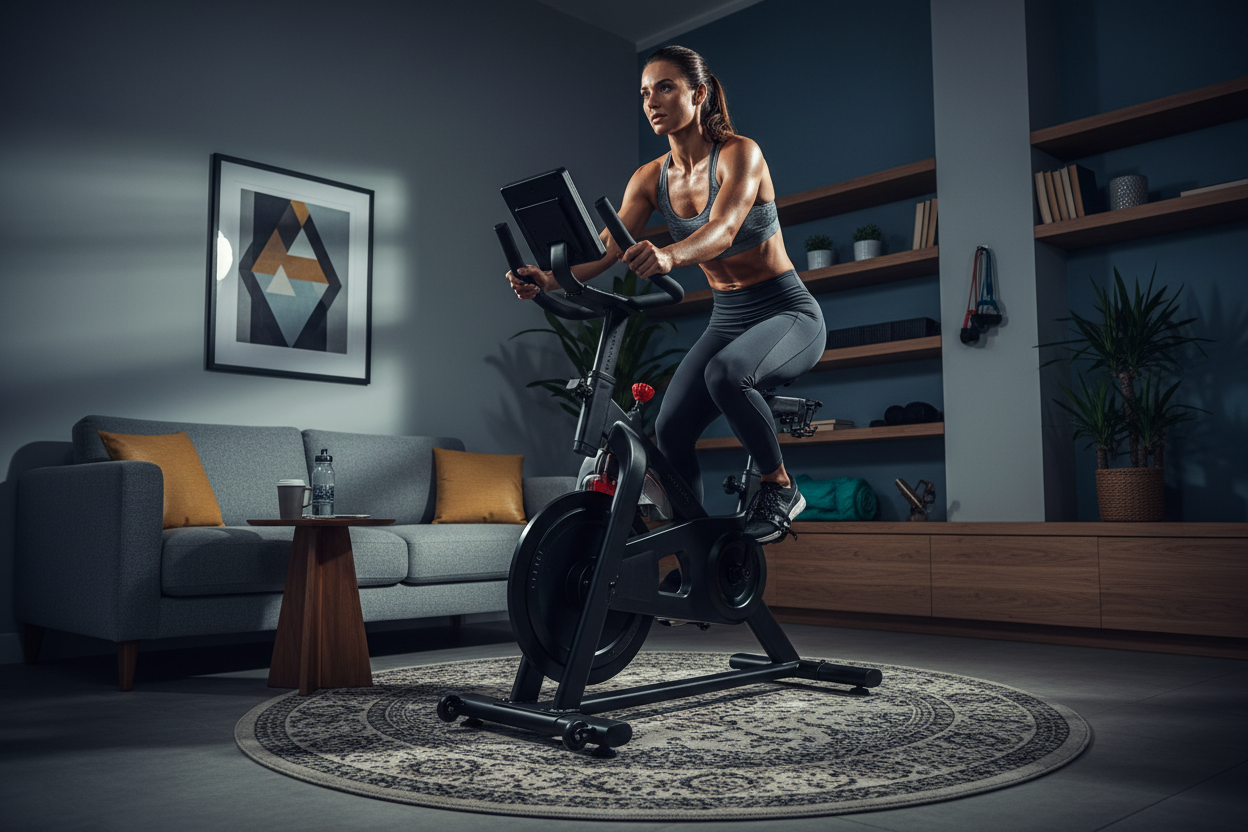
Exercise Bike in Living Room: How to Blend Fitness & Design
Let's face it: not everyone has a dedicated garage gym or a sprawling basement to house their fitness gear. If you are trying to squeeze an exercise bike in living room spaces, you are likely wrestling with a major dilemma. You want the convenience of spinning while catching up on your favorite shows, but you absolutely dread the idea of turning your carefully curated lounge into a sweaty, cluttered spin studio.
Balancing an exercise bike living room setup requires strategic planning. It isn't just about finding floor space; it is about managing noise, protecting your floors, and choosing equipment that doesn't scream 'commercial gym' to every guest who walks through the door. This guide will walk you through exactly how to integrate a bike into your main living area without sacrificing your decor or your workout quality.
Key Takeaways
- Measure the true footprint: Account for the bike's dimensions plus a minimum of 24 inches of clearance on all sides for safe mounting and dismounting.
- Prioritize magnetic resistance: Friction-based flywheels are too loud for shared living spaces; magnetic systems offer near-silent operation.
- Protect your flooring: Always use a high-density, low-profile mat to prevent sweat damage and heavy indentations on hardwood or carpet.
- Consider visual weight: Opt for bikes with sleek, minimalist frames rather than bulky plastic shrouds to maintain a residential aesthetic.
Mastering Space Planning and Aesthetics
Finding the Right Corner
When placing fitness equipment in high-traffic areas, positioning is everything. Avoid placing the bike dead center or blocking natural walkways. The ideal spot is usually a corner near a window or adjacent to your entertainment center. This allows you to look out the window or watch the TV without the bike dominating the room's focal point.
Choosing a Design-Forward Model
Not all bikes are created equal when it comes to aesthetics. If your bike is going to live next to your sofa, avoid models with massive, bright red plastic casings. Instead, look for matte black finishes, exposed metal flywheels, and slim profiles. Bikes that look more like modern industrial furniture will blend seamlessly into your home.
The Noise Factor: Keeping the Peace
Magnetic vs. Friction Resistance
If you share your living space with a partner, roommates, or thin-walled neighbors, noise is your biggest enemy. Friction-resistance bikes use felt pads that rub against the flywheel, creating a constant 'whoosh' sound that will force you to blast your TV volume. You must invest in a magnetic resistance bike. They use magnets to create tension, resulting in a whisper-quiet ride that won't disrupt movie night.
Floor Protection and Cable Management
Defending Your Hardwood and Carpets
A 120-pound bike plus your body weight exerts significant pressure on four small contact points. Over time, this will dent hardwood and crush carpet fibers. Furthermore, sweat is highly corrosive. A heavy-duty PVC equipment mat is non-negotiable. Choose one that is cut precisely to the bike's footprint so it doesn't look like a massive black tarp on your floor.
Hiding the Power Cords
Smart bikes require power for their monitors and resistance systems. Trailing black cords across a living room rug is a massive tripping hazard and an eyesore. Position the front of the bike near an outlet, or use cord-concealing tracks along your baseboards to keep the setup looking intentional and clean.
From Our Gym: Honest Take
I have personally run an exercise bike in my living room for the past two years. Originally, I tried to save money with a chain-driven, friction-resistance model. Big mistake. The chain rattled so loudly I couldn't hear the TV, and my partner banished it to the closet within a week. I eventually upgraded to a belt-driven magnetic bike. The V-shape frame takes up surprisingly little visual space, and it is so quiet I can do a 6 AM HIIT session while my family sleeps in the next room. One caveat: I initially skipped the floor mat to keep things looking 'clean' and ended up with permanent scuffs on my oak floors from the leveling feet. Do not skip the mat.
Frequently Asked Questions
Will an exercise bike ruin my living room floor?
It can, if you aren't careful. The weight of the bike combined with the rider's movement can scratch hardwood and permanently compress carpet. Always place a dense rubber or PVC mat underneath the equipment to distribute the weight and catch corrosive sweat.
How much space do I actually need for a living room bike setup?
Most indoor cycling bikes have a footprint of roughly 4 feet long by 2 feet wide. However, you need an absolute minimum of 2 feet of clearance on at least one side to safely get on and off, plus room in front if your bike has a large screen.
Can I hide my exercise bike when guests come over?
If you buy a folding upright bike, yes, it can slide into a closet. However, premium spin bikes are heavy and not meant to be moved daily. If you have a stationary model, focus on blending it into the room with a stylish folding privacy screen or placing it behind a large sectional sofa.