Exactly How to Use Hip Thrust Machine Setups for Pure Glute Growth
I remember the first time I tried to set up a barbell hip thrust in a crowded commercial gym. I spent ten minutes hunting for a bar, another five looking for the one foam pad that wasn't ripped to shreds, and then awkwardly rolled 225 lbs over my lap while making eye contact with a stranger on the treadmill. It is a logistical nightmare. That is exactly why learning how to use hip thrust machine setups is a life-saver for anyone serious about their posterior chain.
- Stability is King: Machines eliminate the balance struggle, letting you focus 100% on the squeeze.
- Belt Placement: Always secure the strap across your hip bones, not your soft midsection.
- Shin Angle: Aim for a vertical 90-degree angle at the top of the rep to keep the load on your glutes.
- Foot Height: High on the platform hits hamstrings; low on the platform hits quads.
Why the Glute Drive Machine Looks More Complicated Than It Is
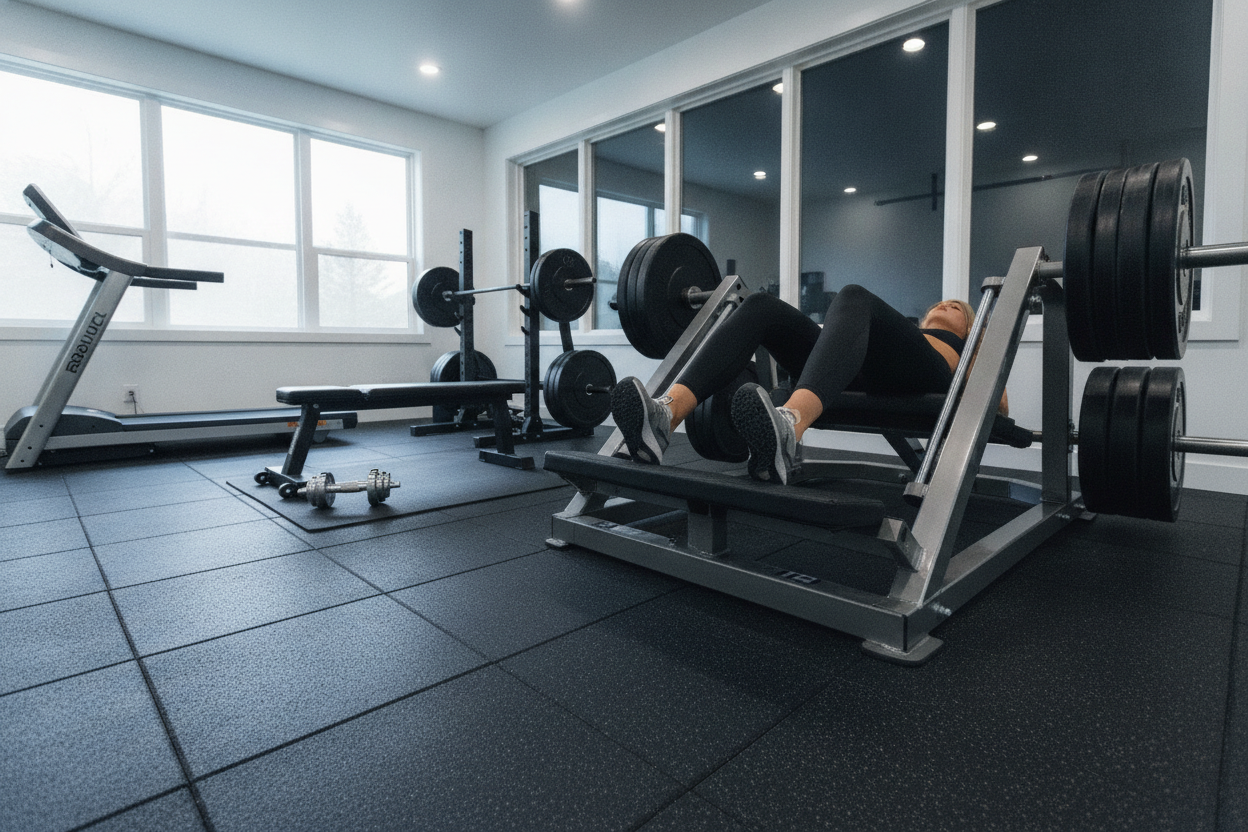
Walking up to a machine like the Nautilus Glute Drive can be intimidating. There are belts, pins, and a massive pivot arm that looks like it belongs on a construction site. But here is the truth: it is significantly safer and more effective for most people than the barbell version. When you use a machine hip thrust, you aren't fighting a rolling bar or worrying about the bench sliding out from under you.
I have loaded these machines with four plates on each side, and the stability remains rock-solid. This allows you to reach true muscular failure without your balance giving out first. If you have been struggling to grow your backside because you spend more energy balancing the bar than lifting it, the hip thrust gym machine is your new best friend.
The 3-Step Setup: How to Use Hip Thrust Machine Pads and Belts
The first thing you need to do is adjust the back pad. Most machines have a pin that lets the backrest pivot. You want it positioned so the bottom of your shoulder blades rests against the top of the pad. Next, load your plates. Don't be shy; most people are much stronger on a hip thrust on machine than they are with a free barbell because the path is fixed.
The most important part is the belt. Pull it tight across your hip crease. If it is sitting on your stomach, you are going to have a bad time once the weight gets heavy. Whether you are using a high-end Nautilus or the standard LA Fitness hip thrust machine, the belt must be snug enough that it doesn't shift during the eccentric phase of the lift. Once you are strapped in, plant your feet and drive your hips up to disengage the safety handles.
Nailing Your Hip Thrust Foot Placement for Glutes
Your hip thrust foot placement is the difference between a great workout and a waste of time. I see people tucking their heels way back under their butt or reaching too far forward on the platform. The 'Goldilocks' zone for hip thrust feet position is where your shins are perfectly vertical at the top of the movement. This 90-degree angle ensures the glutes are doing the heavy lifting.
For most people, this means placing your feet roughly shoulder-width apart in the middle of the platform. If you find your heels lifting off the plate, your hip thrust leg placement is likely too low. Keep your weight driven through your heels. This is not a calf raise; it is a glute-driven hinge.
Quads vs. Hamstrings: Diagnosing Your Machine Hip Thrust Form
If you finish a set and your quads are screaming but your glutes are silent, your feet placement for hip thrusts is too low on the platform. Moving your feet down increases the knee flexion, turning the movement into a pseudo-leg press. Conversely, if you feel a massive pull in your hamstrings, your hip thrust leg position is likely too high up the board.
Unlike a standard lower body leg machine that might isolate a single muscle group with zero input from you, the hip thrust machine foot placement gives you total control over the tension. I personally prefer a slightly wider stance with my toes pointed out about 15 degrees. This hip thrust foot placement for glutes helps me get a better 'wrap' around the muscle at the top of the rep. If you are feeling it in your lower back, stop. You are likely over-arching at the top instead of keeping a neutral spine and tucking your chin.
What to Do If Your Gym Doesn't Have a Dedicated Machine
Not every gym has a hip thrust máquina ready to go. If you find yourself at a facility that lacks one, don't panic. You can still get a massive pump doing glute workouts without a hip thrust machine by using a Smith machine or a lying leg curl machine as a makeshift thruster. It is not ideal, but it works in a pinch.
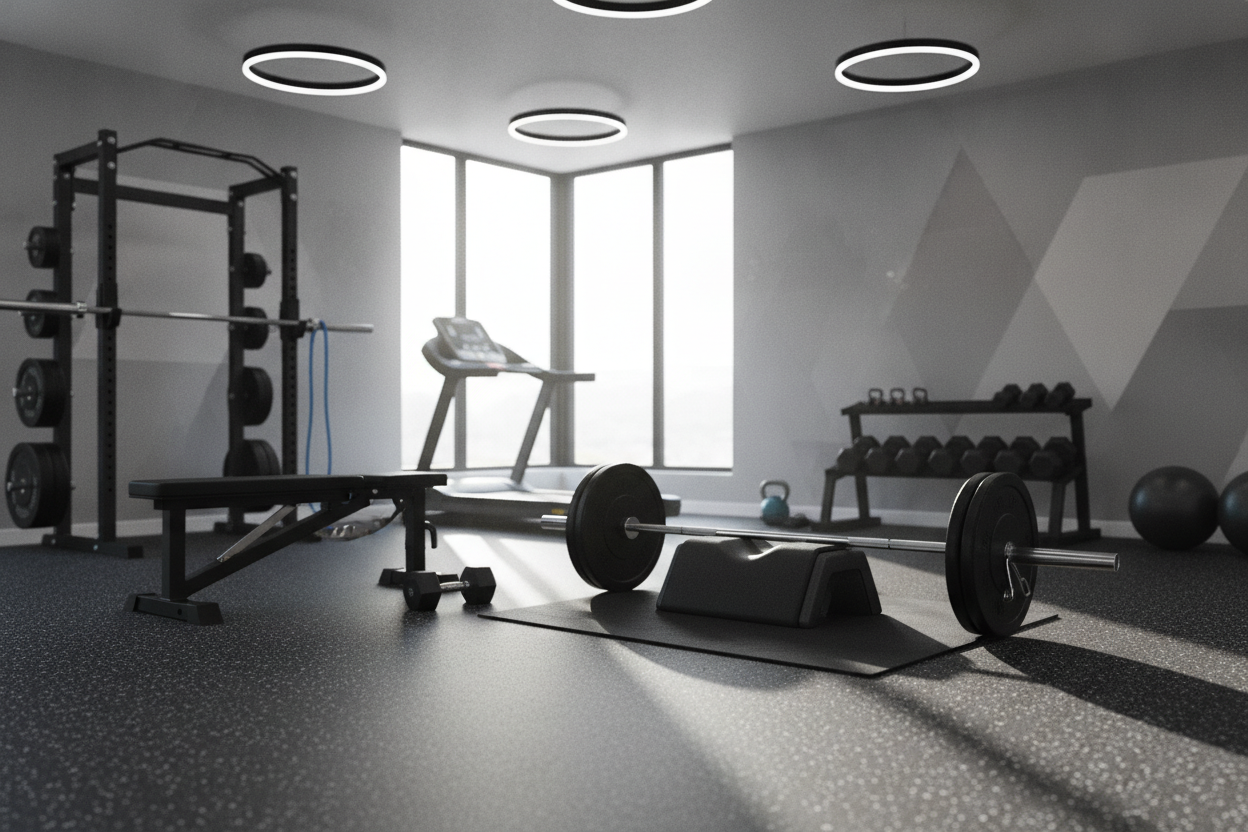
For those of you building out a home gym, a full commercial glute drive is usually too big and expensive. I usually recommend a dedicated hip thrust bench paired with a barbell. It gives you the same fixed back-height benefit without taking up 20 square feet of floor space. My biggest mistake early on was trying to use a standard weight bench that was too tall, which ruined my leverage. Get the height right, and the growth will follow.
FAQ
Where should the belt sit on a hip thrust machine?
The belt should sit directly across your hip bones (the iliac crest). If it’s on your belly, it will push against your internal organs and make it hard to breathe. If it’s too low, it will slide down your thighs.
How do I stop my lower back from hurting on the glute drive?
Tuck your chin to your chest and look forward, not at the ceiling. This helps keep your ribs down and prevents you from over-extending your lumbar spine at the top of the movement.
Is a machine hip thrust better than a barbell?
For pure hypertrophy, yes. The stability of the machine allows you to focus entirely on the mind-muscle connection without the distraction of a balancing a heavy iron bar on your pelvis.