Equipment for Exercising: The Ultimate Guide to Smarter Home Gyms
Most people approach building a home gym backward. They buy a treadmill, use it for two weeks, and eventually turn it into an expensive drying rack for their laundry. If you want to transform your physique, you need to stop viewing gear as a purchase and start viewing it as an investment in biomechanics.
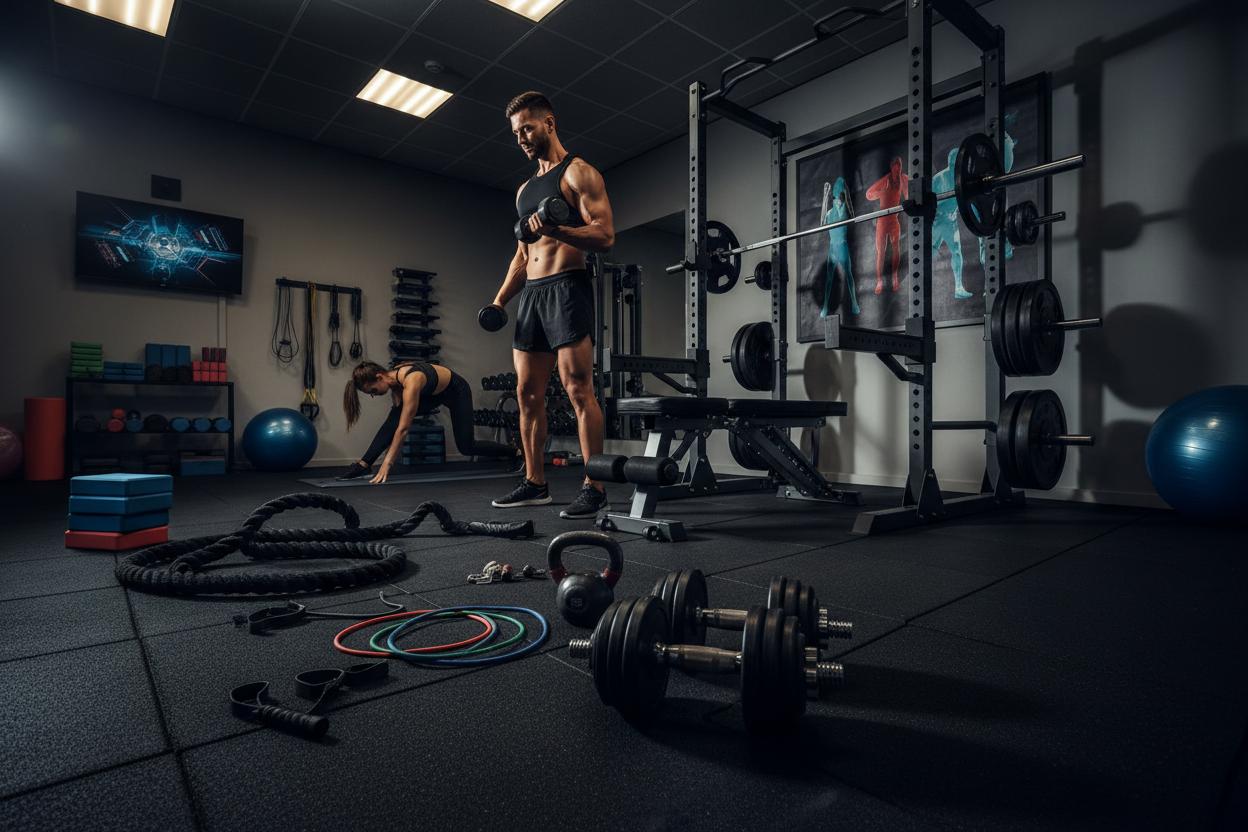
Choosing the right equipment for exercising isn't about what looks sleek in a catalog; it’s about what allows for progressive overload and consistent movement patterns within your available space. Whether you are outfitting a garage or a corner of your living room, the goal is utility, not novelty.
Key Takeaways
- Prioritize Structure over Cardio: Invest in stable exercise frames (racks/stands) before expensive cardio machines.
- Space Efficiency: Look for exercise furniture that serves dual purposes or folds away to maximize square footage.
- Tech Integration: Use exercise electronics to track progressive overload, not just estimated calorie burn.
- Safety First: Never compromise on the stability of an exercise device; if it wobbles, it introduces injury risk.
The Foundation: Structural Integrity
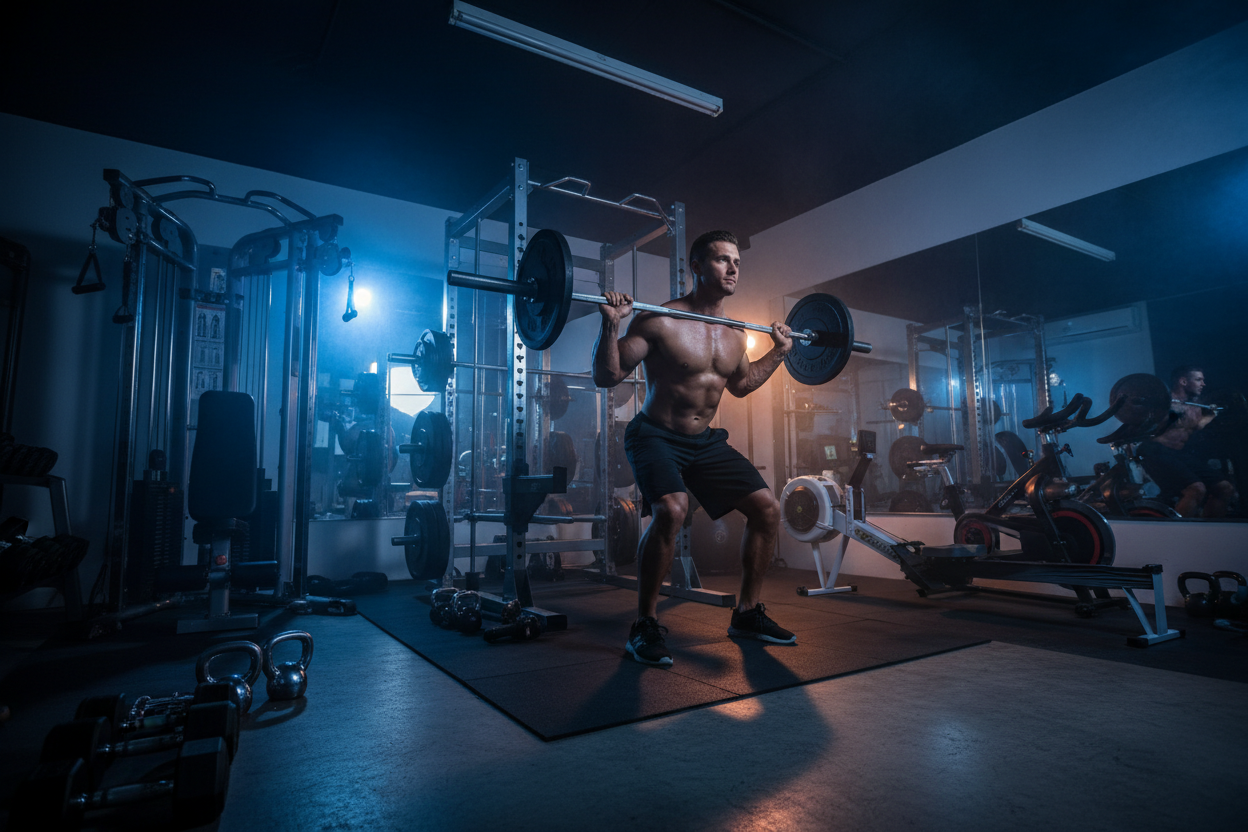
Before you buy dumbbells or bands, you need a base. In the industry, we refer to power racks and squat stands as exercise frames. This is the skeleton of your gym. A proper frame allows you to perform compound movements—squats, bench presses, overhead presses—safely without a spotter.
Don't look for the cheapest steel here. You want a frame with a high weight capacity. The science is simple: if you don't trust the rack to hold the weight, your central nervous system won't let you push hard enough to stimulate growth.
Resistance Tools: Beyond the Dumbbell
While dumbbells are classic, they aren't the only option. We often categorize smaller items as exercise props. This includes resistance bands, kettlebells, and stability balls. These props are essential for accessory work—the movements that target smaller stabilizers.
However, an often overlooked category is the exercise aid. These are items like lifting straps, belts, or chalk. They aren't "cheating"; they are tools to bypass weak links. For example, if your back is strong but your grip fails during a deadlift, straps allow you to continue training the target muscle to failure.
The Role of Tech: Data vs. Distraction
We are in the golden age of exercise electronics. From heart rate monitors to smart watches, data is everywhere. However, there is a trap here. Many beginners obsess over 'calories burned' displayed on an exercise e-interface (electronic interface).
Here is the truth: those calorie counters are often inaccurate estimates. Instead, use electronics to track performance metrics like heart rate variability (recovery) or rep velocity. If a piece of tech doesn't help you make a better training decision, it's just a distraction.
Living With Your Gear: The "Furniture" Concept
If you live in an apartment, you might be looking for exercise furniture. These are pieces designed to blend into a living space, such as a yoga ball chair or a bench that stores weights inside it. While aesthetically pleasing, ensure the ergonomics aren't compromised for style. A bench must provide a stable platform for your scapula to retract during pressing movements; if it's too soft or narrow, you lose power transfer.
My Personal Experience with Equipment for Exercising
I have spent thousands of dollars on gear over the last fifteen years, and I have plenty of regrets. The biggest one involved a cheap "all-in-one" exercise device I bought early in my career. It promised to be a leg press, a lat pulldown, and a bench press all in one.
The reality was gritty. I remember specifically the friction in the cable system. No matter how much silicone lubricant I sprayed on the guide rods, the movement felt jerky. The eccentric phase (lowering the weight) would stutter, robbing me of the muscle-tearing tension I needed. Furthermore, the knurling on the attachable handles was basically smooth chrome. As soon as my palms got slightly sweaty, my grip slipped. I spent more time fighting the machine's poor mechanics than actually fighting gravity. I sold it for scraps six months later and bought a simple, rusty iron barbell and a squat stand. The difference in stability was immediate.
Conclusion
Building a setup with the right equipment for exercising is a marathon, not a sprint. Start with a solid frame and a barbell. Add props and electronics as your needs evolve. Remember, the best equipment is the kind that removes barriers between you and the work. Keep it simple, keep it heavy, and keep it consistent.
Frequently Asked Questions
What is the single most important piece of exercise equipment?
If you have the space, a power rack (exercise frame) combined with a barbell is the most versatile. It allows for the "Big Three" lifts (Squat, Bench, Deadlift) which drive the most metabolic change.
Are expensive smart gyms worth the money?
It depends on your motivation style. If you need a community aspect and gamification, high-end exercise electronics can be worth it. However, for raw muscle building, gravity is free, and iron is cheap.
How do I maintain my home gym equipment?
Wipe down upholstery after every use to prevent cracking from sweat salts. For moving parts on an exercise device, use a silicone-based lubricant (not WD-40) every few months to keep the action smooth.