EMG Exercises: The Definitive Guide to Muscle Activation
You hit the gym, move the weight from point A to point B, and assume growth will follow. But are you actually stimulating the target muscle, or just letting your joints and momentum take the brunt of the load? This is where emg exercises and data come into play.
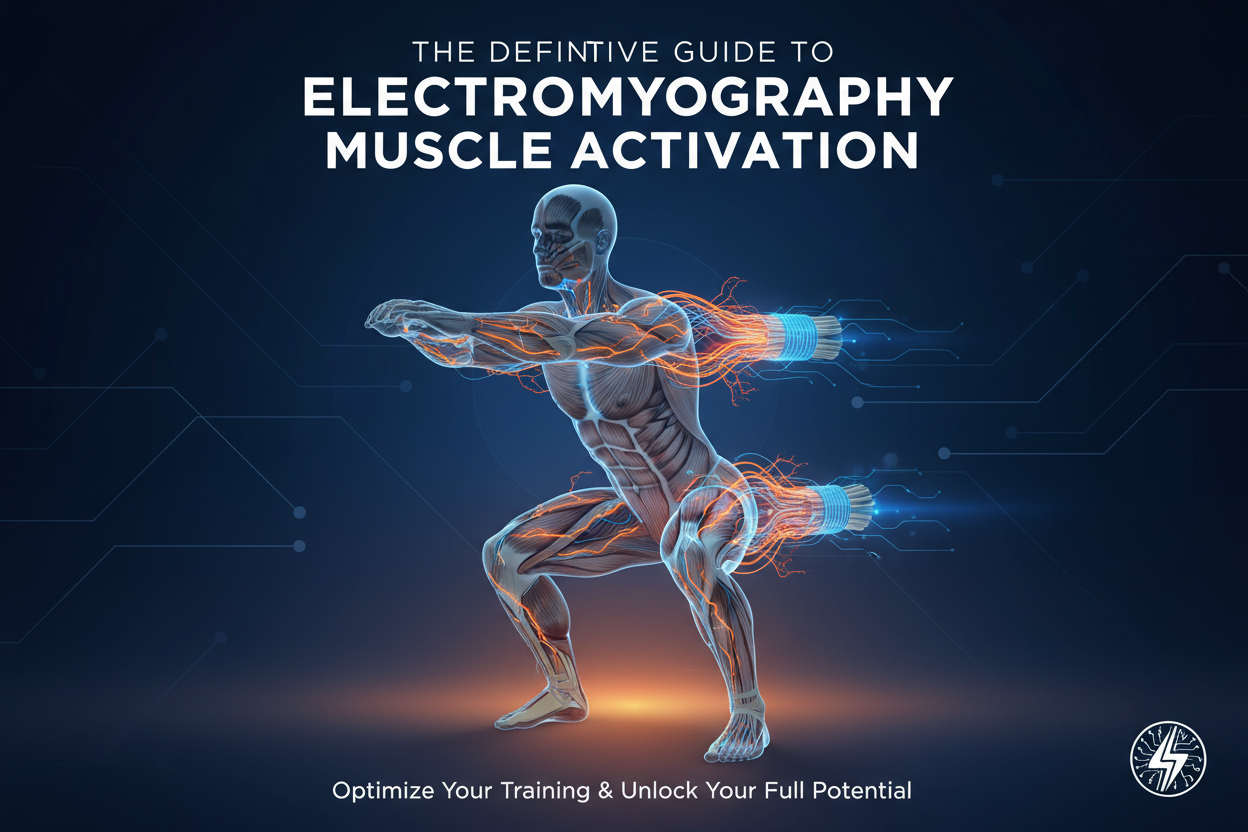
Electromyography (EMG) measures the electrical activity produced by skeletal muscles. By analyzing this data, we can stop guessing which movements recruit the most fibers and start training with precision. However, relying solely on these charts without understanding the nuance can lead to a weak physique. Let’s look at how to interpret this data correctly.
Key Takeaways
- EMG measures electricity, not growth: High electrical activity indicates high motor unit recruitment, but mechanical tension is still the primary driver of hypertrophy.
- Peak vs. Mean: Differentiate between peak activation (the hardest point of the rep) and mean activation (average tension throughout).
- Isolation often wins on paper: Isolation movements often show higher EMG scores than compounds, but compounds allow for heavier loading.
- Individual variance matters: Limb length and lever arms change how an exercise activates your specific muscles compared to the "average" test subject.
The Science Behind the Signal
When you contract a muscle, your nervous system sends an electrical impulse. EMG sensors placed on the skin pick up this "noise." The louder the noise, the more motor units are firing.
Many lifters confuse "feeling the burn" with effectiveness. While they often correlate, EMG data separates what feels hard from what is actually working the muscle. For example, a heavy deadlift might feel exhausting, but EMG often shows that other movements isolate the hamstrings or glutes more effectively.
Decoding Quadriceps EMG
The legs are where this data becomes most controversial and useful. If you look for the highest quad emg exercises, the results might surprise you. Traditional thinking suggests the Back Squat is the king of all leg development. While it is excellent for overall mass, it isn't always the top scorer for isolated quad firing.
Squats vs. Extensions
Research consistently shows that the Leg Extension elicits significant activity in the Rectus Femoris (the middle quad muscle). During a squat, this specific muscle doesn't shorten much because it crosses both the hip and the knee. Therefore, quadriceps emg data suggests you cannot build a complete set of legs on squats alone.
Does this mean you should ditch squats? Absolutely not. It means you need to pair the mechanical tension of squats with the high activation of extensions to cover all heads of the muscle.
Structuring Your EMG Workout
To build a truly effective emg workout, you need to blend high-activation movements with high-load movements. If you only chase the highest EMG numbers, you’ll end up doing exclusively isolation work with light weights, which limits your growth potential.
The Hybrid Approach
Start your session with compound lifts. These allow you to overload the system. Even if their peak EMG isn't the absolute highest, the mechanical tension is superior. Follow this up with exercises that boast the highest EMG ratings to ensure maximum fiber recruitment.
For example, in a chest workout, a Bench Press (High Load) followed by a Cable Fly (High EMG at peak contraction) covers both bases. You get the heavy lifting and the maximum electrical output.
My Training Log: Real Talk
I remember the first time I completely overhauled my leg day based purely on EMG studies. I swapped my heavy leg press for high-rep, controlled leg extensions and sissy squats because the charts said the activation was superior.
Here is the unpolished truth: The "pump" was excruciating, specifically that tearing sensation right above the kneecap that makes you want to quit halfway through a rep. However, after four weeks, my knees felt creaky. I missed the systemic, heavy feeling of the iron on my back.
The specific wobble in my legs walking down the gym stairs was different, too. After heavy squats, my whole body feels crushed. After the EMG-focused isolation routine, my quads were twitching uncontrollably, but my central nervous system felt oddly fresh. I learned the hard way that while the data was right about the muscle, it ignored the joints. Now, I use the high-activation moves strictly as finishers, not the main course.
Conclusion
EMG data is a compass, not a map. It points you in the right direction regarding muscle recruitment, but it doesn't tell you the whole story of hypertrophy. Use emg exercises to identify weak points in your routine and ensure you aren't neglecting specific muscle heads, but don't let a graph dictate your entire program.
Frequently Asked Questions
Is higher EMG always better for muscle growth?
Not necessarily. Higher EMG means more motor units are firing, but muscle growth also requires mechanical tension and metabolic stress. An exercise can have high electrical activity but lack the load required to stimulate significant growth.
What are the limitations of EMG studies?
Surface EMG can be affected by body fat, electrode placement, and "crosstalk" from neighboring muscles. Additionally, most studies are done on machines or with sub-maximal loads, which doesn't always reflect real-world heavy training.
Should I replace compound lifts with high EMG isolation exercises?
No. Compound lifts provide the structural loading and hormonal response necessary for overall strength and size. High EMG isolation exercises serve best as accessory movements to target specific fibers that compound lifts might miss.