Effective Home Chest Workouts for Stronger, Toned Pecs
Building strong and well-defined pectoral muscles doesn't always require a gym membership or expensive equipment. Many people have successfully developed chest strength and tone right in their living rooms. By focusing on home chest building exercises, you can perform a consistent workout routine without stepping outside. With a little discipline and the right techniques, your chest can grow stronger and more sculpted over time.
Why Train Your Chest at Home?
Chest exercises at home are ideal for those with busy schedules, limited gym access, or simply a preference for private workouts. Targeting your pectoral muscles not only improves upper body aesthetics but also enhances functional strength for pushing movements. Whether you're beginning a pectoral home workout or fine-tuning an existing regimen, training at home ensures you can stay consistent without commuting or waiting for equipment.
Essential Home Chest Building Exercises
One of the most effective ways to perform an at home workout for pecs involves bodyweight movements. These workouts are accessible across all fitness levels and can be modified for progression. Some great exercises at home for pecs include:
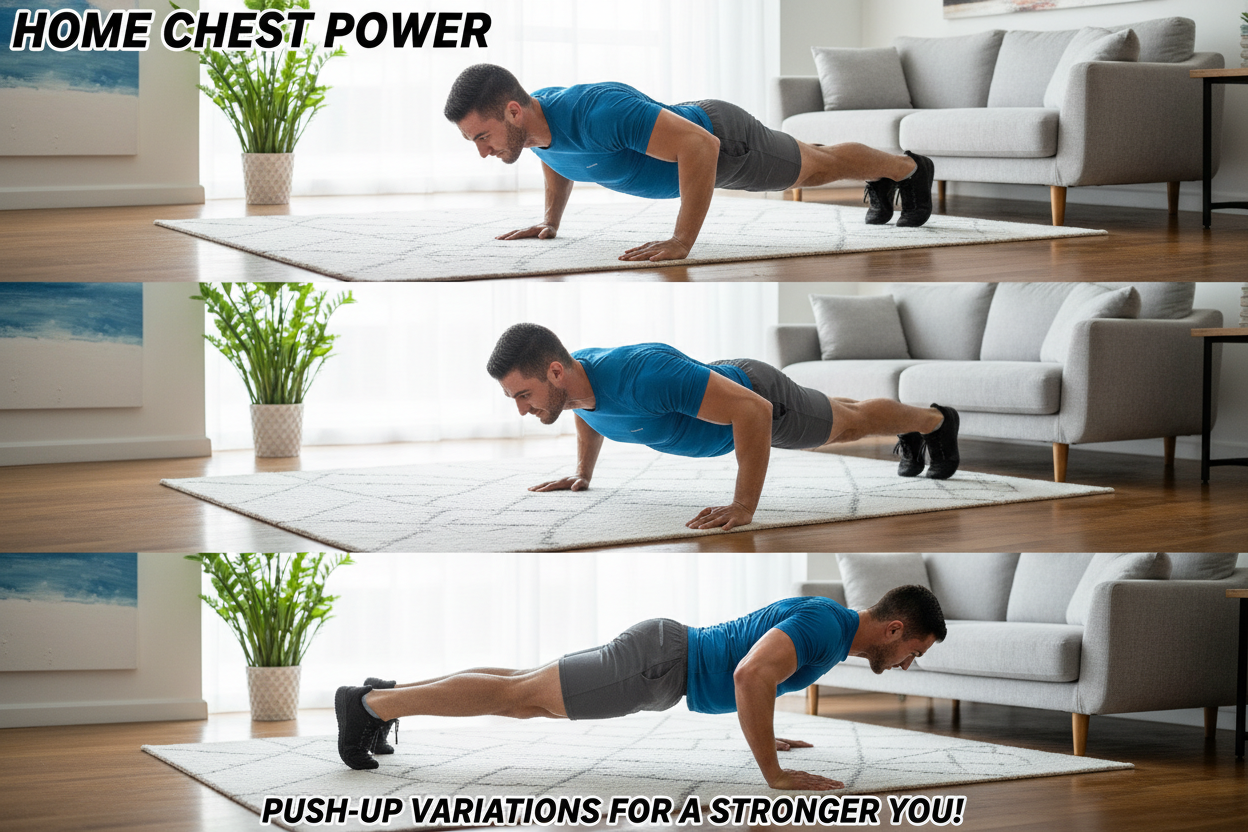
- Push-Ups: A classic move for chest exercises at home. You can vary hand placement to target different areas of the pectorals.
- Incline Push-Ups: Performed on a sturdy chair or bench to emphasize the lower chest.
- Decline Push-Ups: Elevate your feet to challenge the upper chest area.
- Plyometric Push-Ups: Adding explosive movement helps build power in the pecs.
Using Minimal Equipment
If you have a pair of dumbbells or resistance bands, you can take your at home pectoral workouts to the next level. Floor chest presses target the mid and lower pectorals, while chest flies with bands or weights help in building shape and symmetry. Minimal equipment keeps your routine cost-effective yet effective.
Structuring Your Pectoral Home Workout Plan
Consistency is key when aiming to tone pecs at home. A balanced workout pecs at home plan could look like:
- 3 sets of 12 standard push-ups
- 3 sets of 10 incline push-ups
- 3 sets of 10 decline push-ups
- 2 sets of 8 plyometric push-ups
Rest for 60 seconds between sets to maintain quality and intensity.
Form and Technique for Best Results
Maintaining proper form during all home exercises for pecs ensures muscle engagement and reduces injury risk. Keep your core tight, lower yourself under control, and fully extend during the pushing phase. Avoid rushing repetitions—quality over quantity will yield better long-term outcomes.
Personal Experience with Chest Training at Home
When I first started my journey in building my chest at home, I was skeptical about seeing significant results without heavy gym equipment. I began with simple push-up variations, adding more reps and sets over weeks. Within two months, I noticed improvements not just in chest definition but also in overall upper body strength. I could carry groceries more easily, and my posture improved. This personal experience taught me that exercises at home for pecs, when done consistently, can be transformative for both looks and functional capabilities.
Tips for How to Workout Pecs at Home Safely
- Start with a thorough warm-up to increase blood flow to the chest muscles.
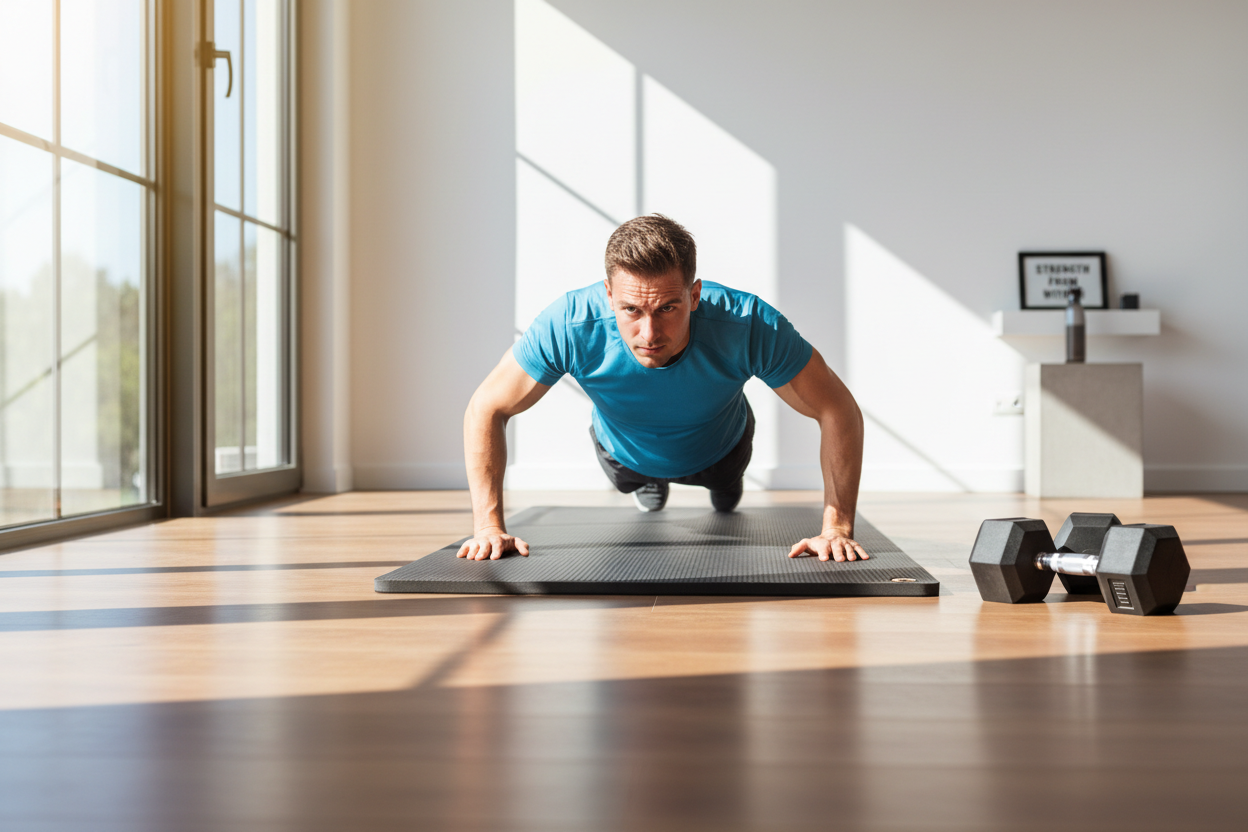
- Use a soft surface or mat to protect your wrists and shoulders.
- Progress gradually by increasing reps, sets, or resistance.
- Listen to your body and rest if you experience discomfort beyond normal muscle fatigue.
Recovery and Rest
Muscle growth happens during rest, not just during workouts. Ensure you give your pectoral muscles time to recover between sessions—about 48 hours is recommended before targeting the same area again. Stretching after your workout for chest in home settings can help maintain flexibility and reduce soreness.
Final Thoughts on Home Exercises Pec Routine
Developing a strong chest at home is absolutely achievable with dedication and proper technique. Whether you're focused on toning pecs at home for aesthetic purposes or building functional strength for everyday tasks, incorporating variety and progressive overload will yield results. Remember that forming a healthy habit is more important than seeking quick fixes—consistency over weeks and months will define your success.