Effective Flexion Exercises for a Stronger Chest
Building a stronger and more defined chest isn’t only about pressing heavy weights. Flexion exercises that target the chest muscles help improve joint mobility, muscle activation, and overall upper body strength. By focusing on controlled movements, you can enhance muscle balance and reduce the risk of injuries while still making visible gains.
Understanding Chest Flexion
Chest flexion refers to the forward movement of the arms toward the midline of the body, engaging the pectoral muscles. This action is key in many everyday activities and sports. While vertical pushing exercises, like the bench press, are common, flexion movements incorporate horizontal or diagonal movement patterns that activate fibers differently.
Benefits of Chest Flexion Exercises
Engaging in targeted flexion routines for the chest not only builds muscle mass but also improves posture, stability, and functional strength. Athletes, swimmers, and those involved in throwing sports benefit greatly from strengthened chest flexors because they require efficient arm movement and upper body control. Flexion work also aids rehabilitative programs by fostering range of motion and promoting healthier shoulder joints.
Popular Chest Flexion Exercises
There are several effective chest flexion exercises you can perform at home or in the gym:
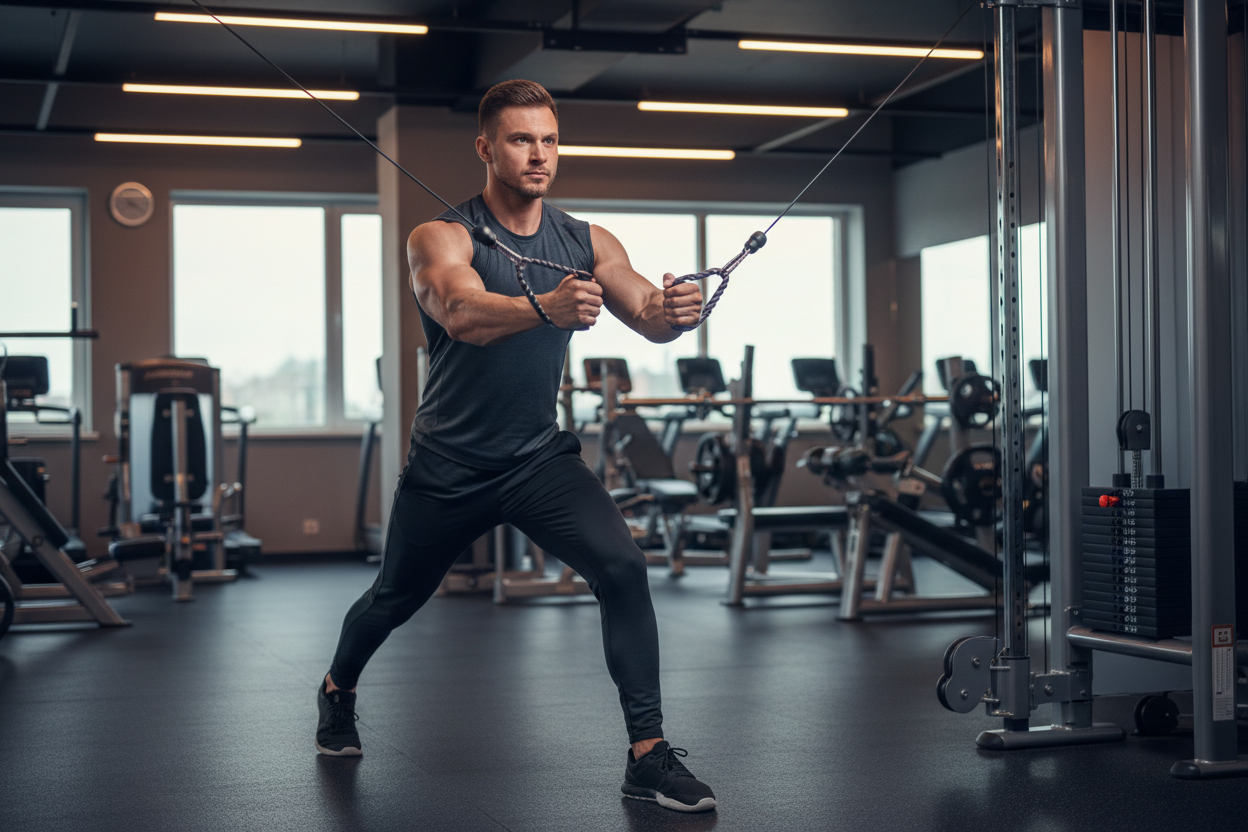
- Cable Chest Fly: Stand between two cable stacks with the pulleys set at shoulder height. Pull the handles together in front of your chest with controlled speed, focusing on bringing the arms inward through flexion.
- Dumbbell Chest Fly: Lying on a flat bench, slowly open your arms wide and bring them back together above your chest. Keep a slight bend in your elbows to reduce strain.
- Resistance Band Fly: Attach a resistance band at chest height and mimic the cable or dumbbell fly movement, perfect for home workouts.
- Pec Deck Machine: Sit with your back firmly against the pad, grasp the handles, and move your arms forward until they meet.
Training Tips for Optimal Results
To get the most from your chest flexion exercises, remember the following:
- Perform movements slowly to maximize muscle engagement and reduce injury risk.
- Focus on contracting the pectorals at the peak of each repetition.
- Avoid locking out your elbows; keep them slightly bent.
- Maintain proper posture to prevent strain on your shoulders and neck.
My Experience with Chest Flexion Training
When I first incorporated chest flexion exercises into my routine, I underestimated their impact. I was used to traditional presses and dips, but after several weeks of regular dumbbell flys and cable work, I noticed an improvement not just in definition, but also in chest muscle symmetry. My shoulders felt more stable, and I experienced fewer strains during other upper-body lifts. This personal shift reminded me that sometimes the most subtle adjustments in training methods lead to the biggest performance gains.
Common Mistakes to Avoid
Many people rush through their flexion exercises or overload the weight too quickly. Doing so reduces the effectiveness of the movement and can cause injury. Always concentrate on form, breathing, and progressive overload over time rather than trying to lift too much in one session. It's better to work within a safe range and build gradually.
Integrating Chest Flexion into Your Workout Plan
Chest flexion exercises can be included 2–3 times per week to complement pressing movements. For example, a push-day routine could start with a heavy compound press, followed by fly variations to isolate the chest flexors. Alternating between different modalities—cables, dumbbells, bands—ensures you target the chest from multiple angles.
Sample Flexion Routine
- Cable Fly – 3 sets of 12 reps
- Dumbbell Fly – 3 sets of 10 reps
- Pec Deck – 2 sets of 15 reps
- Resistance Band Fly – 2 sets to failure
Final Thoughts
Focusing on chest flexion exercises enhances overall upper-body performance and aesthetics. Understanding how these movements work and applying proper technique can lead to safer, more effective training over time. By balancing pressing and flexion work, you give your chest muscles everything they need to grow stronger and more functional.