Effective Dumbbell Chest Workouts for Strength and Shape
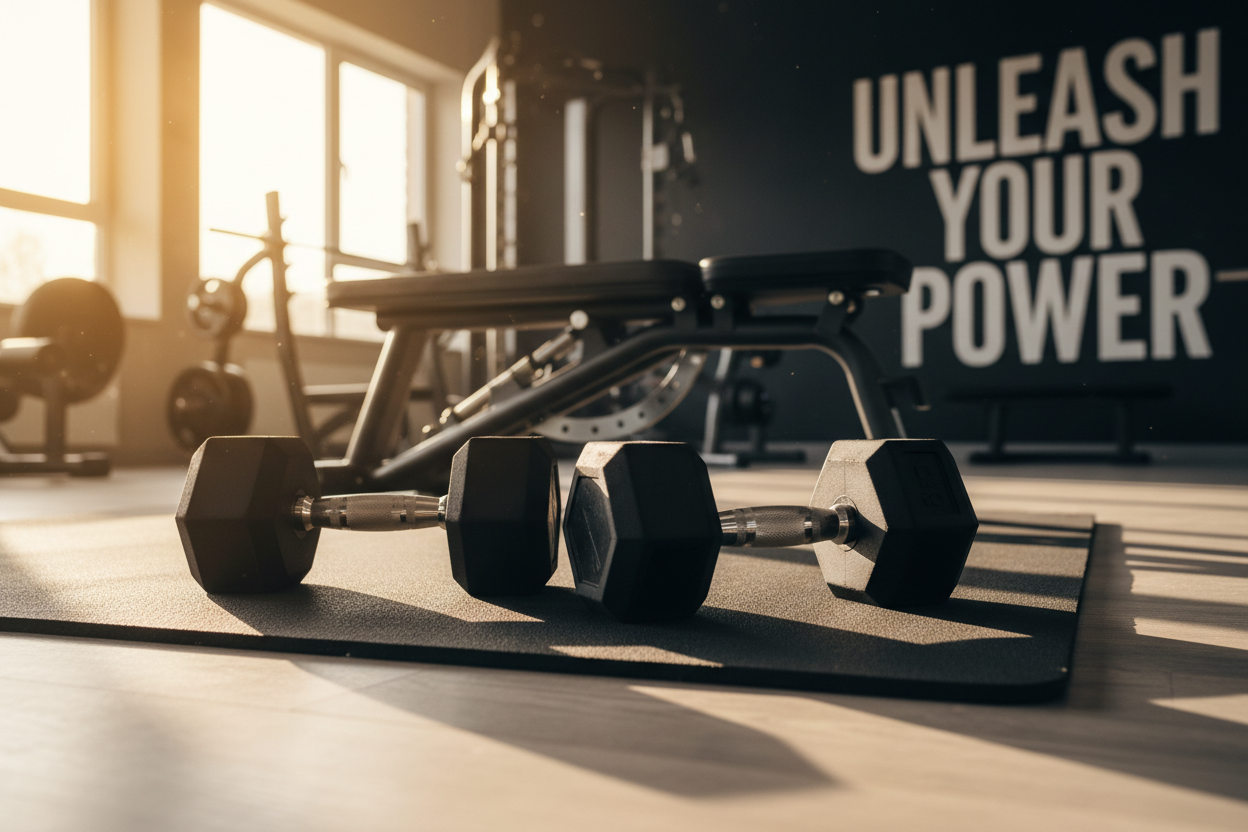
Building a strong and well-defined chest doesn’t always require a gym packed with machines. With the right approach, a simple set of dumbbells can help you achieve impressive results right at home or in a minimalistic workout space. Whether you’re a beginner or an experienced lifter, focusing on exercises with dumbbell for chest development can improve muscle balance, stability, and overall upper body strength.
Benefits of Chest Workout by Dumbbells
Dumbbells allow for a greater range of motion compared to barbells and many chest machines. This increased movement helps activate muscle fibers that might be neglected in fixed-path exercises. Additionally, workouts with dumbbells for chest encourage the use of stabilizing muscles, enhancing functional strength and joint health. Since each arm moves independently, dumbbells can also help correct strength imbalances between sides.
Essential Dumbbell Chest Exercises
One of the most popular dumbbell chest exercises is the flat dumbbell press. Lying on a bench, you press the weights upward while keeping control throughout the movement. This targets the pectoralis major and stimulates growth across the chest. Incline dumbbell presses focus more on the upper chest, while decline presses emphasize the lower portion. For added variation, dumbbell flyes stretch and contract the chest muscles from a different angle, helping enhance muscle shape and flexibility.
Flat Dumbbell Press
Start by lying on a flat bench with a dumbbell in each hand. Keep your feet firmly planted on the ground and your core engaged. Press the weights upward until they meet above your chest, then lower slowly to maximize muscle tension. This movement provides an excellent foundation for any dumbbell chest workout.
Incline Dumbbell Press
Adjust the bench to a 30-45 degree angle. The incline position targets the upper chest area, improving the balanced look of your chest. Press upward in a controlled manner, avoiding locking your elbows completely.
Dumbbell Flyes
With dumbbell flyes, focus on stretching the chest muscles at the bottom. Hold the weights over your chest with arms slightly bent, lower them out to the sides until you feel a stretch, then bring them back together using your chest muscles.
Structuring Your Dumbbell Chest Workout
For best results, perform 3-4 chest exercises with 3 sets each, keeping the rep range between 8-12 for hypertrophy. Beginners can start with lighter weights for proper form, gradually increasing the load as strength improves. Rest for 60-90 seconds between sets to allow muscle recovery while maintaining intensity.
Adding Variety to Workouts with Dumbbells for Chest
Variation is key for continuous progress. Try combining flat presses, incline presses, and flyes in a single session to hit the chest from different angles. You can also experiment with tempo changes—for example, lowering the dumbbells slowly and explosively pressing them upward—to stimulate different muscle responses.
Safety Considerations
While training with dumbbells offers freedom of movement, it’s important to maintain proper form to avoid shoulder strain or injury. Keep your elbows slightly bent during flyes, avoid excessively heavy weights that compromise technique, and warm up with dynamic stretches before starting your chest workout by dumbbells. Proper breathing patterns also assist in performance and injury prevention.
My Personal Experience with Dumbbell Chest Training
When I first switched to dumbbell-based chest training, I noticed an improvement in muscle symmetry and overall strength. By focusing on controlled movements and varying the bench angles, my chest became more balanced and defined over time. The ability to train at home with just two quality dumbbells made the process convenient and sustainable. I found that consistent effort over weeks yielded noticeable results without the need for complex machinery.
Tracking Progress
Take note of the weights you lift and the number of reps you perform each session. Over time, gradually increase either the load or repetition count to continue challenging your muscles. A workout journal or simple note app can be enough to track progress and maintain motivation.
Conclusion
Focusing on a dumbbell chest workout can be an effective way to develop strength, muscular balance, and chest definition. Exercises with dumbbell for chest—such as presses and flyes—allow flexibility and accessibility for everyone, from home fitness enthusiasts to seasoned athletes. With dedication and proper technique, you can sculpt your chest, boost performance, and enjoy the functional benefits of training with dumbbells.