Effective Chest Workouts to Build Strength and Shape
Building a strong chest is not just about appearance—it’s essential for overall upper body strength, posture, and functional movement. The chest muscles, or pectorals, play a crucial role in pushing motions, stabilizing the shoulders, and supporting daily tasks. Whether you’re aiming to expand your chest for a fuller look or to enhance athletic performance, incorporating the right exercises can make all the difference.
Understanding the Chest Muscles
The pectoralis major and pectoralis minor are the two primary muscles of the chest. The pectoralis major is the larger, fan-shaped muscle that spans the upper chest, while the pectoralis minor lies underneath it. Effective chest workouts target both muscle groups using a combination of compound and isolation movements.
Best Exercises That Work the Chest
There’s a wide range of exercises that can help develop your chest, each offering unique benefits. Here are some of the most effective:
Bench Press
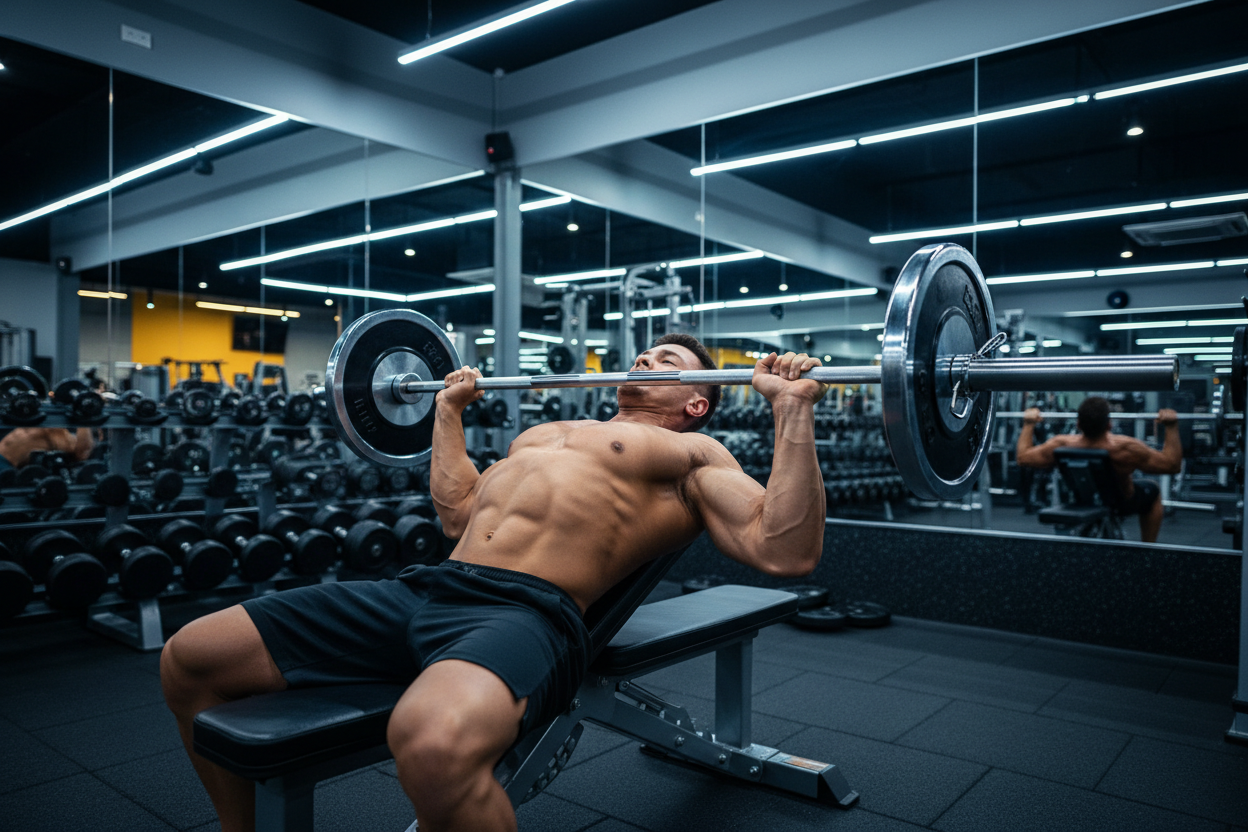
The classic bench press is a go-to for building overall chest strength. Using a barbell or dumbbells, you press the weight upward from a lying position, targeting the pectorals, anterior deltoids, and triceps. Adjusting the incline or decline can emphasize different parts of the chest.
Push-Ups
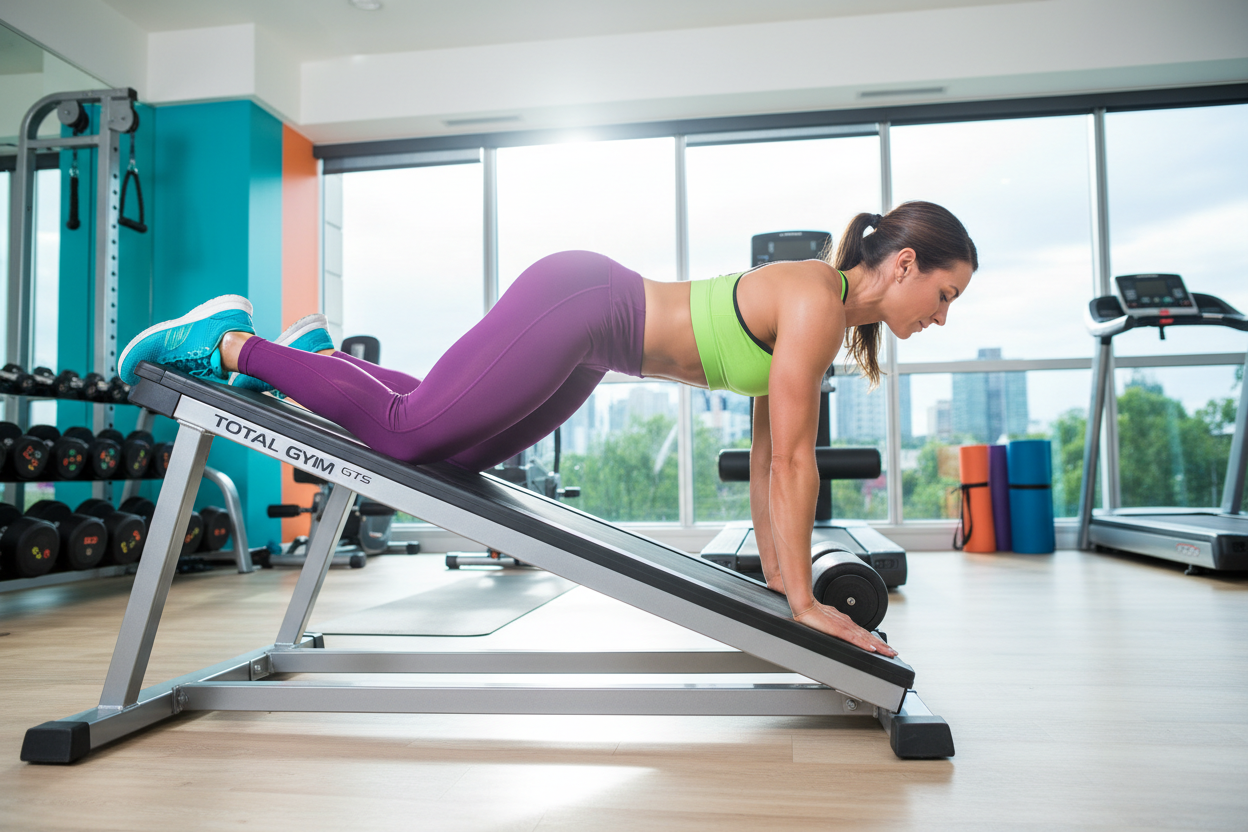
Push-ups are a versatile bodyweight exercise that works the chest while also engaging the core and shoulders. Variations such as wide-grip push-ups or weighted push-ups can provide additional challenge.
Dumbbell Flyes
Dumbbell flyes are excellent for stretching and contracting the chest muscles through a wide range of motion. They help in expanding the chest by isolating the pectorals more than pressing exercises.
Incline Dumbbell Press
This variation targets the upper portion of the pectorals, helping to create a fuller, more balanced chest. Setting the bench at an incline shifts emphasis towards the upper chest and shoulders.
Cable Crossovers
Cable crossovers are great for achieving a constant tension on the chest muscles. Adjusting the height of the cables allows you to focus on different parts of the chest, making it an adaptable exercise for various goals.
Workouts That Help Expand and Strengthen the Chest
A balanced chest routine includes both heavy lifting for strength and higher-repetition work for muscle endurance. Here’s an example of a workout approach:
- Barbell Bench Press – 4 sets of 6-8 reps
- Dumbbell Incline Press – 3 sets of 8-10 reps
- Push-Ups – 3 sets to failure
- Dumbbell Flyes – 3 sets of 10-12 reps
- Cable Crossovers – 3 sets of 12-15 reps
My Personal Experience with Chest Training
When I first started weight training, my chest was one of my weakest areas. I focused heavily on the flat bench press, but progress was slow. It wasn’t until I introduced incline presses and fly movements that I noticed a significant difference in both size and strength. Additionally, incorporating bodyweight movements like push-ups gave me more functional strength and improved my performance in other lifts.
Form and Safety Tips
It’s easy to get caught up in lifting heavier weights, but proper form should always come first. Keep your shoulders retracted and maintain a stable core during pressing movements to avoid injury. Gradually increase weight and volume over time instead of rushing progress. Also, warming up with light movements before heavy lifts ensures better muscle activation and reduces the risk of strains.
Balancing Chest Training with Other Muscles
Working the chest in isolation can lead to muscle imbalances. Pair chest workouts with back exercises like rows or pull-ups to maintain shoulder stability and prevent posture issues. A well-rounded upper body will not only look better but also perform more efficiently.
Conclusion
There are many exercises that work the chest, each offering unique benefits for strength, size, and functional movement. From bench presses to cable crossovers, the right combination of workouts can help you build a balanced, powerful chest. Consistency, proper form, and progressive overload are the keys to long-term success in chest training.