Effective Barbell Chest Workouts for Strength and Definition
Building a stronger, more defined chest doesn't have to be complicated. With just a barbell and some dedication, you can target your pectoral muscles effectively whether you're at the gym or working out at home. Barbell chest exercises offer a classic and reliable approach to pressing strength and muscle growth, and they remain a cornerstone for anyone aiming to enhance chest size, power, and symmetry.
Why Choose Barbell Exercises for the Chest?
Barbell training allows for controlled progressive overload, enabling you to increase resistance in small increments. This is crucial for both beginners learning proper form and experienced lifters pushing toward their strength goals. The barbell also promotes balanced development between the left and right sides of the chest, as both arms must work in unison to stabilize the weight.
Fundamental Barbell Chest Movements
Flat Barbell Bench Press
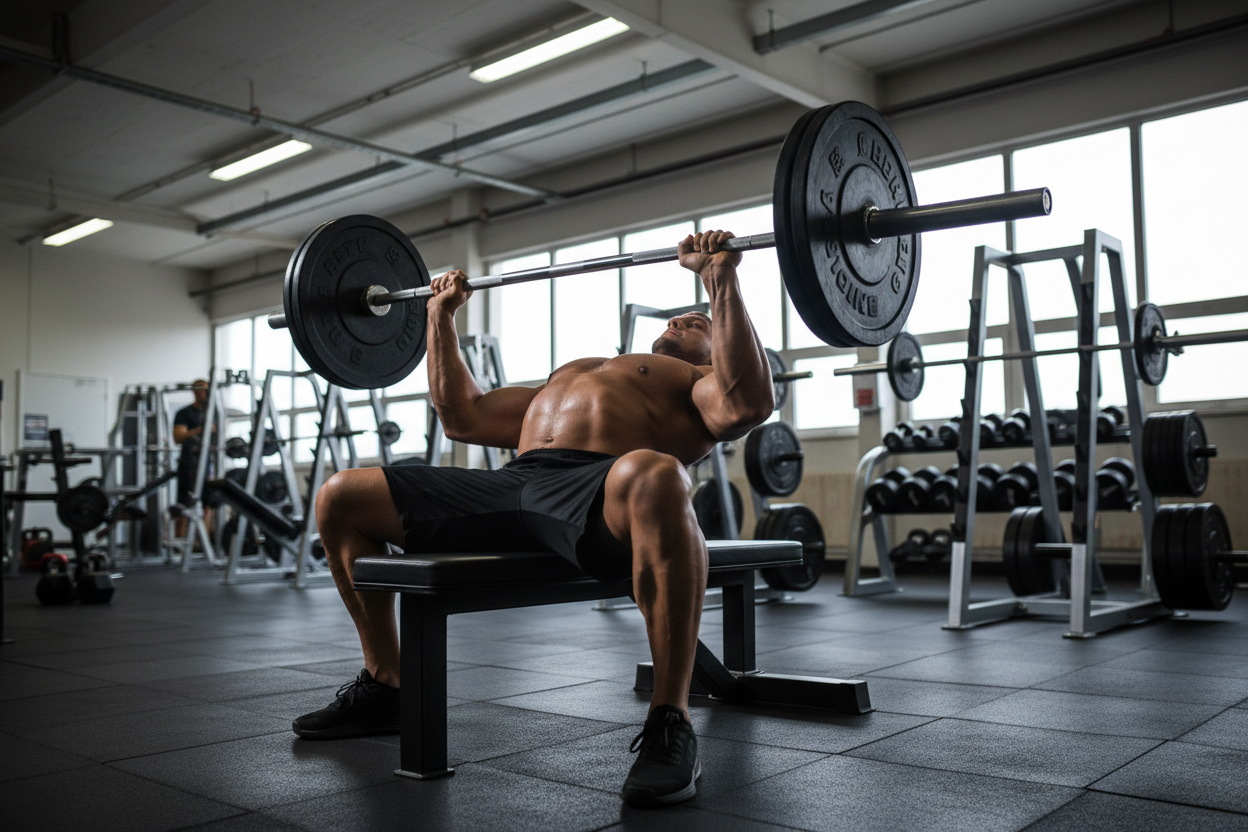
This is the staple chest barbell workout that most lifters start with. Lying flat on a bench, you press the bar upward from chest level, engaging the pectoral muscles, triceps, and front delts. Keep your feet planted firmly, maintain a natural arch in your back, and ensure controlled lowering and pressing for maximum safety and benefit.
Incline Barbell Bench Press
Setting the bench to a 30-45 degree incline shifts the emphasis to the upper chest and front shoulders. The incline press helps build a well-rounded chest and enhances aesthetics by lifting and tightening the upper pectoral area.
Decline Barbell Bench Press
This version focuses more on the lower chest fibers. With the bench angled downward, you can apply heavier loads and target the lower pectoral region, contributing to depth and fullness in the chest.
Supplemental Chest Workouts Using a Barbell
Standing Barbell Chest Press
While less common, standing barbell chest exercises can challenge the stabilizing muscles, core, and shoulders. By pressing the bar away from your chest in a standing position, you incorporate balance and coordination, making it a valuable functional movement.
Close-Grip Barbell Press
Moving your hands closer on the bar focuses more on the triceps but still heavily recruits the chest. This variation can help strengthen the inner chest area and improve lockout strength on standard presses.
Chest Barbell Workouts at Home
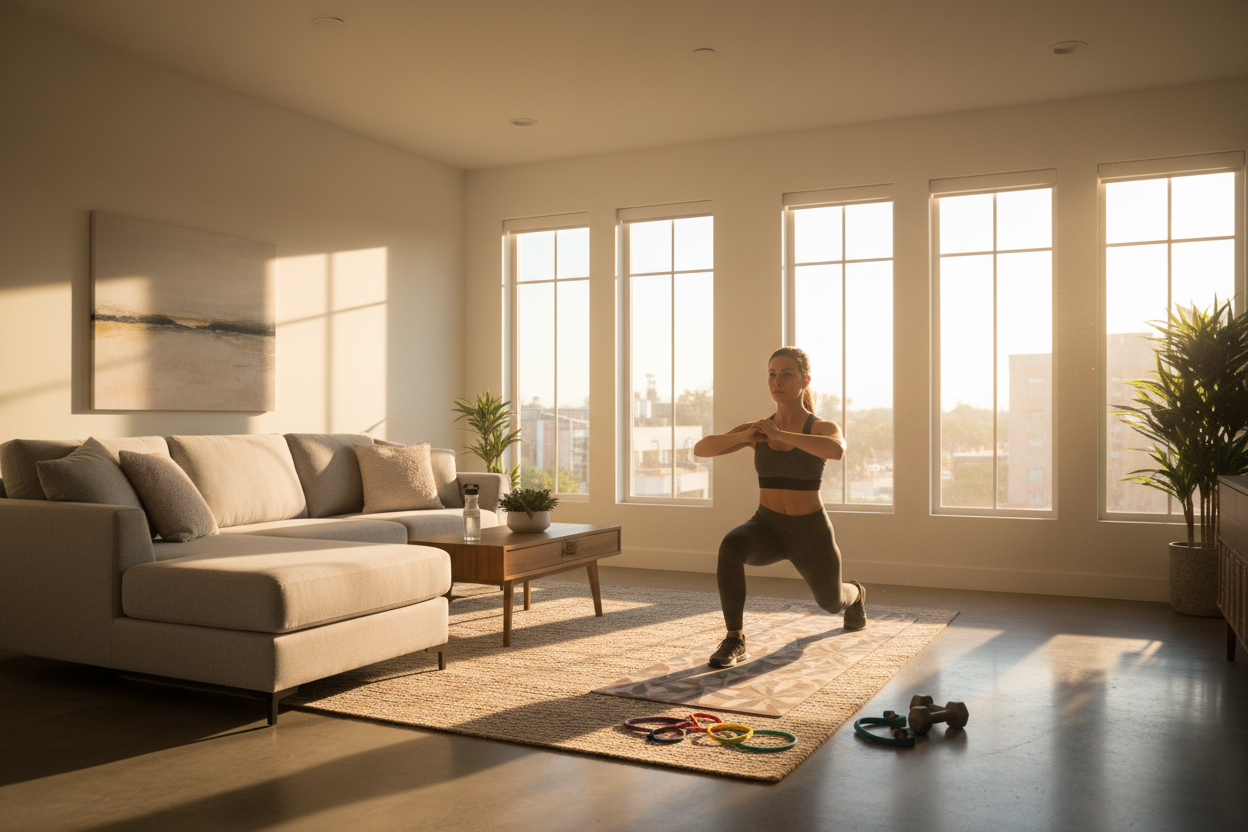
If you have access to a barbell and some weight plates at home, you can still enjoy a full chest workout without expensive gym equipment. A sturdy flat surface or adjustable bench is ideal, but even a pair of low, stable platforms can work in a pinch. Home barbell chest workouts can include flat, incline, and decline presses, as well as standing presses when space is limited.
Personal Experience with Barbell Chest Training
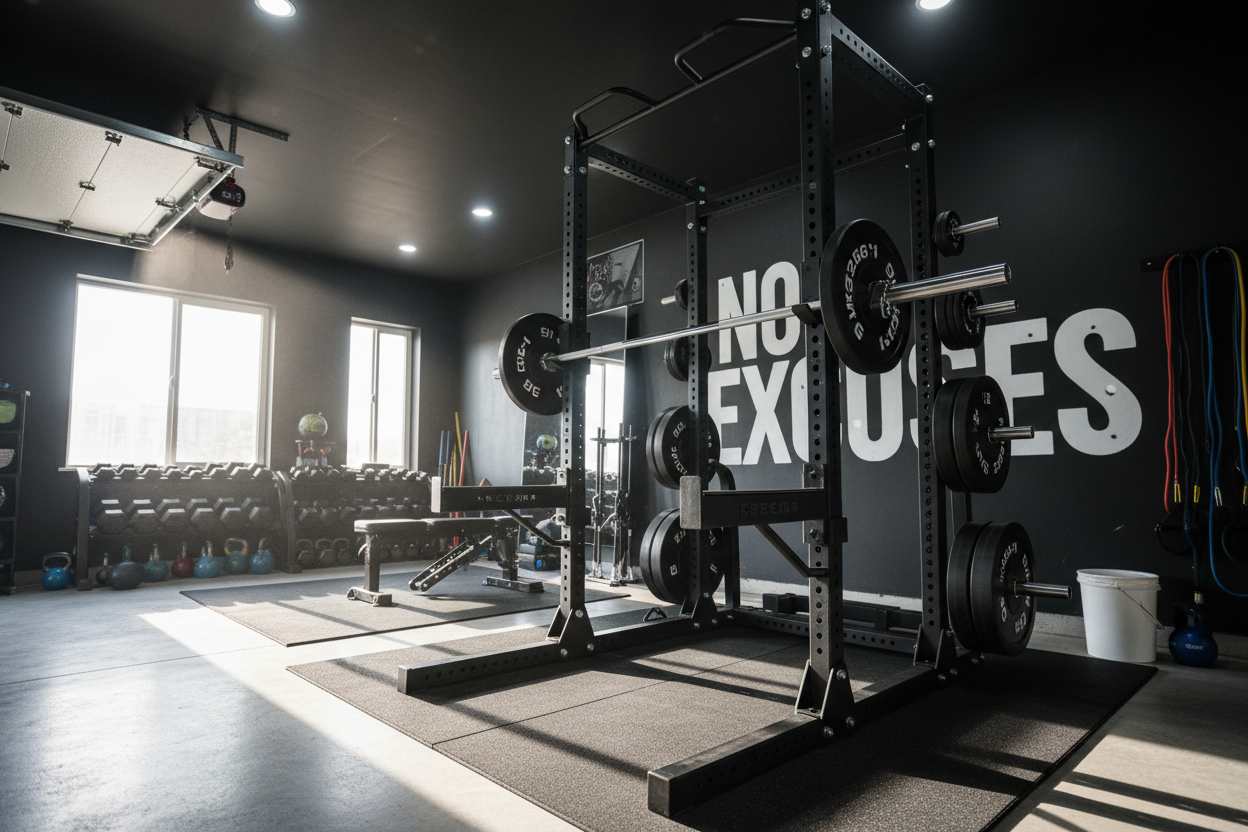
When I first committed to serious chest training, I invested in a basic barbell and adjustable bench setup for my garage. Initially, I struggled with keeping good form during flat bench presses. By slowing down my repetitions and focusing on steady control, I noticed significant gains within a few months. Incorporating incline and decline presses helped shape my chest and improve overall strength. Training at home gave me consistency and eliminated gym commute time, making it easier to stick to my program.
Programming Your Barbell Chest Routine
A balanced chest barbell workout can involve 3-4 exercises, performed 2-3 times a week with adequate rest in between. Start with a heavier compound lift such as the flat barbell bench press, then move to incline or decline variations. Allocate some time for supplemental work like close-grip presses or standing barbell presses to add diversity. Gradually increase weight over time to continue progressing.
Safety Considerations
Always warm up before lifting heavy. Use proper racks, secure collars, and, when attempting heavier lifts, consider a spotter to help avoid injury. Pay attention to wrist alignment, shoulder positioning, and bar path to prevent strain and enhance performance longevity.
Conclusion
Barbell chest exercises remain one of the most effective ways to train the pectoral muscles, whether at the gym or at home. By mastering variations like the flat, incline, and decline presses, along with supplemental lifts, you can build strength, improve definition, and maintain balanced development. Consistent training, proper form, and gradual progression are key to getting the most out of any chest workout using a barbell.