Does Hip Thrust Grow Glutes, Or Are You Just Wasting Time?
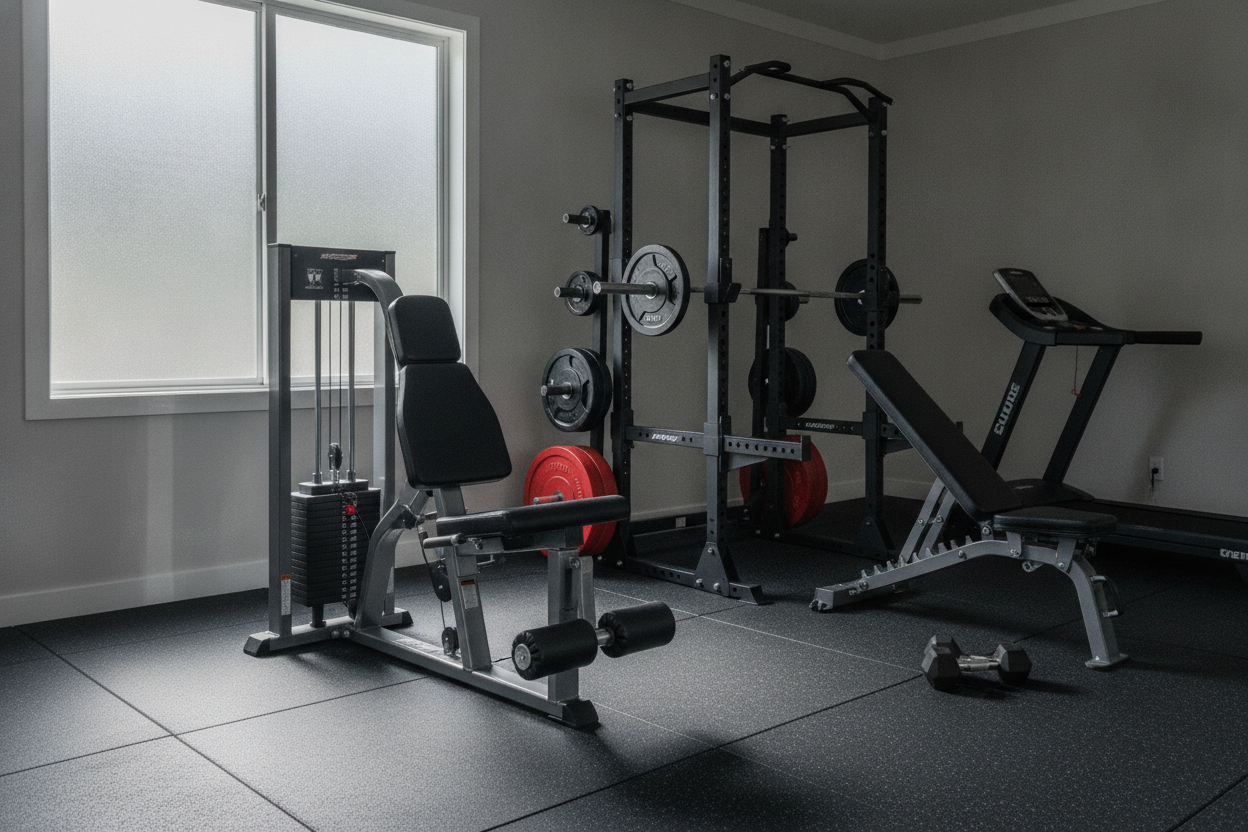
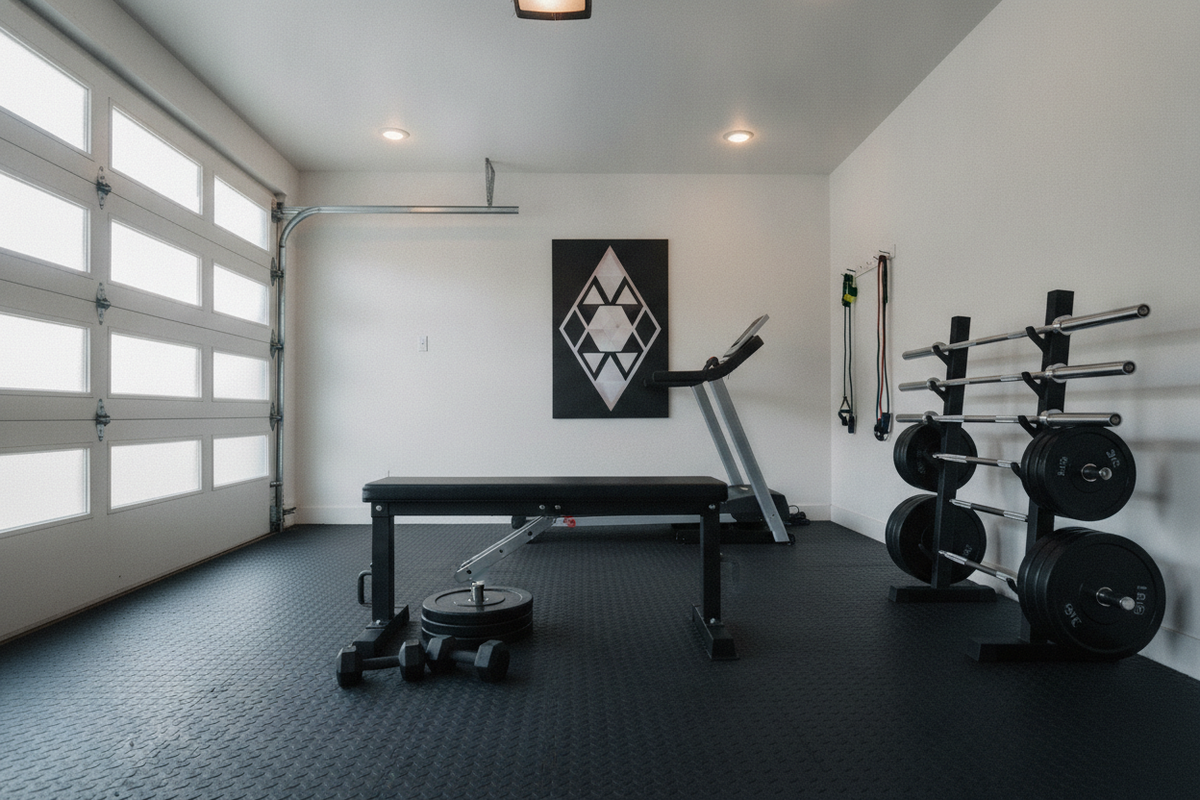
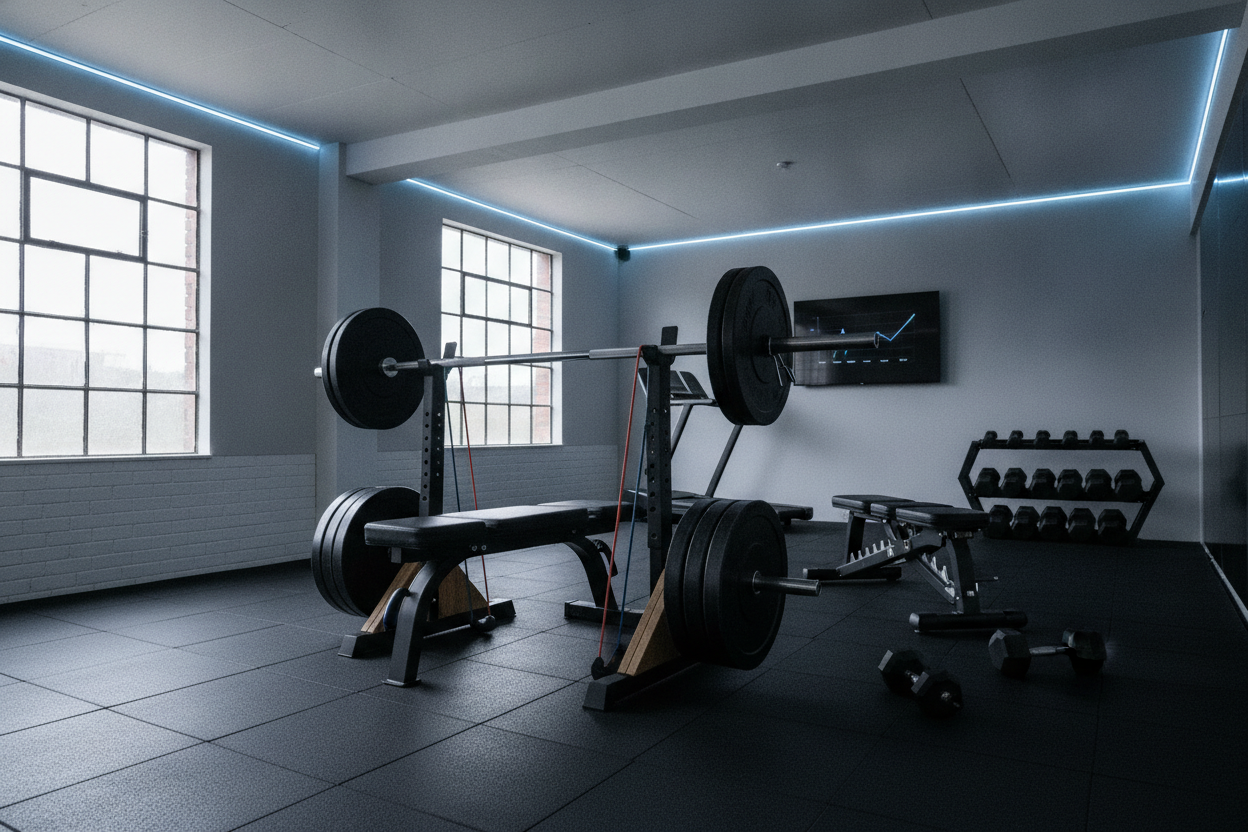
I remember the first time I dragged a barbell and a flat bench into the middle of my garage gym. My neighbor walked by, saw me shimmying under a padded bar, and gave me a look that said, 'What happened to just doing squats?' For a long time, the old-school crowd dismissed this movement as a social media trend for people who care more about selfies than strength. But after years of testing every glute-focused movement in the book, I can tell you the hype is actually backed by physics.
- Maximum Tension: Hits the glutes hardest at the top, where squats are easiest.
- Horizontal Loading: Targets the gluteus maximus without the same spinal compression as a heavy back squat.
- Isolation: Allows for massive glute engagement with less fatigue in the lower back and hamstrings.
- Scalability: Easy to load from bodyweight to 500+ lbs as you progress.
The Elephant in the Room: Why Everyone Is Obsessed With This Lift
Walk into any gym today and you will see someone hip thrusting. It is easy to roll your eyes at the influencer-led obsession, but there is a reason this lift has taken over. Most traditional leg exercises, like lunges and squats, are vertical movements. They are great for the 'stretch' part of the muscle's range, but they lose tension at the top. The hip thrust flips the script, providing maximum resistance when the glute is fully shortened.
So, Does Hip Thrust Grow Glutes? (The Short Answer)
The short answer is a resounding yes. If you are asking does hip thrust grow glutes, the biomechanics don't lie. Research consistently shows that the hip thrust produces higher levels of gluteus maximus activation compared to the back squat. This is because the weight stays directly over the hips throughout the entire range of motion. When you hit that lockout at the top, your glutes are doing 100% of the work to hold that weight against gravity. It is the most direct way to put mechanical tension on the gluteal muscles without your grip strength or lower back becoming the limiting factor.
Why You Aren't Seeing Results (The Long Answer)
If you have been thrusting for months and your jeans still fit the same, the problem isn't the exercise; it is the execution. I see people in my gym loading up four plates on each side just to move the bar two inches. That is ego lifting, not muscle building. If you don't feel a deep, almost uncomfortable 'burn' in the glutes by the end of a set, you are likely using your momentum or your lower back to move the weight.
Your Setup is Turning It Into a Quad Exercise
Foot placement is the difference between a glute builder and a quad burner. If your feet are tucked too close to your butt, your quads will take over the movement to push the weight up. Conversely, if your feet are too far away, your hamstrings do all the heavy lifting. You want your shins to be perfectly vertical at the top of the rep. This 90-degree angle ensures the force is driven through the heels directly into the glutes.
You're Lifting With Your Lower Back
This is the most common mistake I see, and it is a one-way ticket to a herniated disc. Most lifters arch their back to get the bar higher. Instead, you need to maintain a posterior pelvic tilt—think about tucking your tailbone under. Keep your chin tucked toward your chest and your ribs down. Your spine should stay neutral, moving as a single unit with your hips, rather than bending at the lumbar.
How to Actually Use the Hip Thrust to Grow Glutes
To see real hypertrophy, you need to treat this like a primary lift. I recommend a mix of heavy sets (5-8 reps) and moderate sets (10-15 reps). Focus on a two-second hold at the top of every single rep. This 'iso-hold' is where the magic happens. When considering barbell vs. hip thrust with band, remember that the barbell is king for pure weight, but adding a band can help keep your knees pushed out, further engaging the glute medius. Using hip thrust to grow glutes effectively requires progressive overload—add 5 lbs or one extra rep every week.
Will Hip Thrusts Grow Glutes Faster Than Squats?
It is not a matter of which is better, but how they work together. If you want to know will hip thrusts grow glutes faster than squats, the answer depends on which part of the muscle you are neglecting. Squats build the 'bottom' of the glute because of the deep stretch. Hip thrusts build the 'top' and overall thickness because of the peak contraction. If you only have time for one, the thrust is more glute-specific, but for a complete physique, you need both. If you find the barbell setup too clunky, using a commercial hip thrust machine can help you isolate the muscle with much less setup time.
My Simple Home Gym Setup for Heavy Thrusts
Setting this up at home can be a pain. I spent months chasing a sliding bench across my garage floor until I got smart. Now, I use an extra wide exercise mat which provides enough grip to keep my feet and the bench anchored. Speaking of the bench, stop using a standard 17-inch flat bench if you are under six feet tall; it is too high and kills your leverage. A dedicated hip thrust bench is a better investment because it sits lower to the ground, allowing you to get a full range of motion without your shoulder blades slipping off the edge.
Personal Experience: My Biggest Mistake
I used to think more weight always meant more growth. I spent a summer ego-lifting 405 lbs on the hip thrust, but my glutes actually looked smaller because I was just 'humping' the air with my lower back. I dropped the weight to 225 lbs, focused on the pelvic tilt and a 3-second squeeze at the top, and my glutes finally started to grow. Trust the tension, not the plates.
FAQ
How many times a week should I hip thrust?
Twice a week is the sweet spot for most people. It gives the muscle enough stimulus to grow while allowing 48-72 hours of recovery between sessions.
Do I need a barbell pad?
Yes. Unless you enjoy having massive bruises across your hip bones, get a thick, high-density foam pad. It is not about being 'tough'; it is about being able to load heavy weight comfortably.
Can I grow glutes with just bodyweight thrusts?
Only for a short time. Glutes are the strongest muscle group in your body. To keep them growing, you eventually have to add significant resistance, whether that is a barbell, bands, or dumbbells.