Different Workout Plans: How to Break Your Home Gym Plateau
If you have been grinding away in your garage gym doing the exact same routine for six months, you already know the frustration of a plateau. Staring at the same barbell and running through the exact same rep schemes eventually leads to stalled progress, aching joints, and sheer boredom. Sometimes, the solution isn't buying a massive, expensive new machine—it is simply applying a different workout stimulus to the equipment you already own.
Whether you are working with a compact apartment setup or a fully outfitted two-car garage, changing your approach can reignite your motivation. This guide will walk you through how to adapt your space and gear to support various physical fitness training methods, ensuring you get the most value out of your home gym investment.
Key Takeaways
- Implementing a different workout method prevents muscular adaptation and mental burnout.
- Understanding various types of fitness training methods helps maximize your existing home gym gear.
- You do not need a massive commercial space to mix up your physical fitness training methods.
- Strategic equipment choices, like adjustable dumbbells and versatile power racks, support diverse training styles.
Exploring Types of Fitness Training Methods
When we talk about shifting your routine, we are looking at foundational changes in how you stress your muscles and cardiovascular system. Every fitness training method requires a slightly different approach to your home gym setup.
Strength and Hypertrophy
Traditional strength training relies heavily on progressive overload. If this is your primary physical fitness training method, your space needs heavy-duty essentials: a high-weight capacity power rack, a reliable Olympic barbell, and dense bumper plates. You need equipment that prioritizes stability and safety, especially when lifting alone without a spotter.
Metabolic Conditioning and HIIT
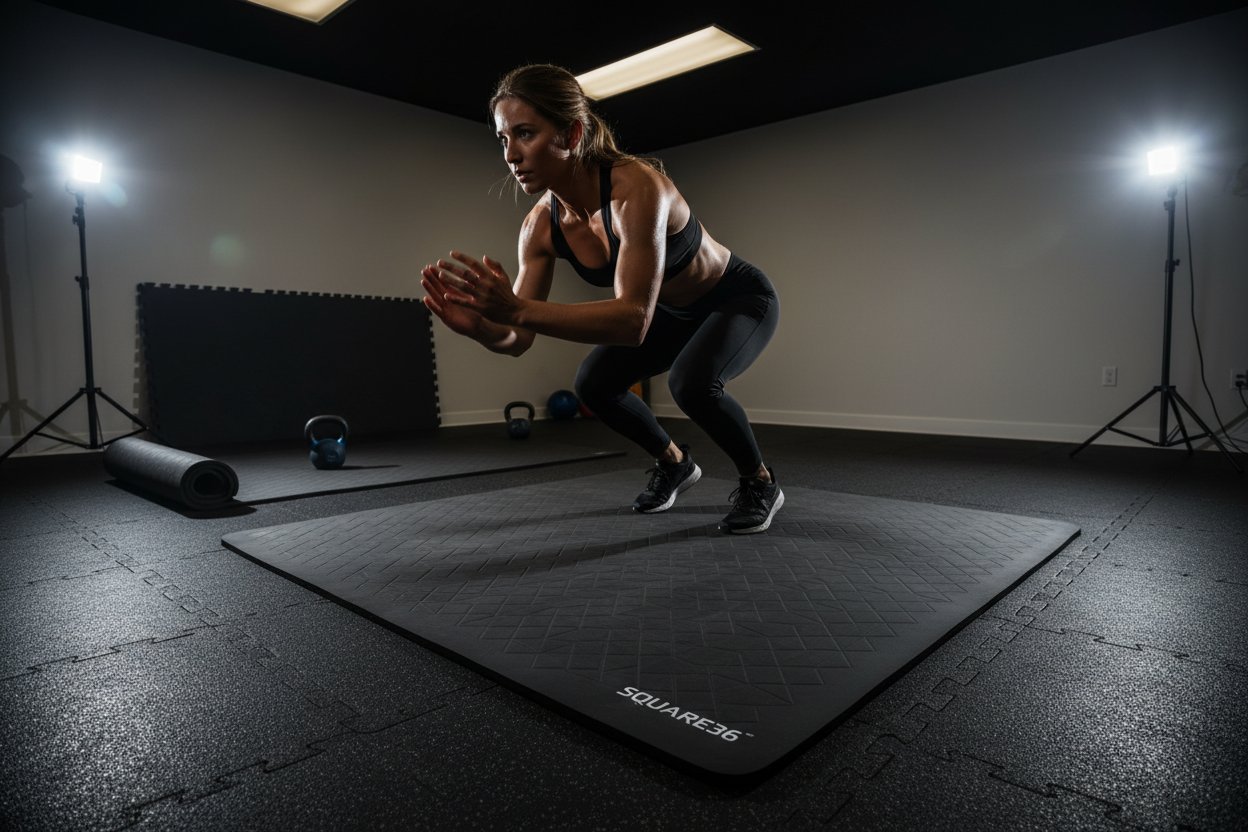
If you want to spike your heart rate, you need to look into different workout methods like AMRAPs (As Many Rounds As Possible) or EMOMs (Every Minute on the Minute). These methods of fitness training require equipment that can be moved quickly and safely. Think kettlebells, slam balls, and plyo boxes. Space planning here shifts from heavy load-bearing to ensuring you have a clear 6-by-6 foot floor area to move dynamically without tripping over gear.
Adapting Your Space for Different Workout Techniques
One of the biggest challenges home gym owners face in North America is limited square footage. Whether you are in a tight basement or a shared garage, versatility is key.
Maximizing Compact Spaces
You do not need a commercial-sized facility to execute different workout techniques. Adjustable dumbbells and heavy-duty resistance bands are the ultimate space-savers. They allow you to seamlessly transition from heavy pressing to high-rep isolation work without needing a full wall of dumbbell racks. This makes them perfect for circuit training or supersets in tight quarters.
The Power Rack as a Versatile Hub
If you have the vertical clearance (usually around 84 to 90 inches for standard basements), a modular power rack is your best investment. By simply adding attachments like dip bars, landmines, or a pulley system, you open up entirely new methods of fitness training without expanding your gym's physical footprint. It transforms a simple squat stand into a comprehensive functional training station.
From Our Gym: Honest Take
I spent my first two years of home gym ownership strictly focused on powerlifting. Eventually, my joints ached, and I hit a massive wall on my bench press. I realized I needed a completely different workout stimulus, so I pivoted to unilateral and functional training.
I started incorporating heavy kettlebell swings and Bulgarian split squats. The honest caveat? I initially bought a cheap, plastic-coated kettlebell that slipped right out of my chalked hands when I started sweating. I quickly upgraded to a powder-coated cast iron bell, and the grip difference was night and day. Shifting my physical fitness training methods not only gave my joints a break but actually helped me break through my bench plateau when I eventually returned to heavy barbell work.
Frequently Asked Questions
How often should I try a different workout?
It is generally recommended to stick to a specific fitness training method for 4 to 8 weeks to allow for measurable progressive overload. After that cycle, introducing different workout techniques or altering your rep ranges can help prevent stagnation and overuse injuries.
Do I need new equipment for different workout methods?
Not necessarily. Often, you can change your methods of fitness training by simply altering your tempo, rest periods, or rep schemes using the exact same barbell and plates you already own. However, adding versatile pieces like resistance bands or a single high-quality kettlebell can vastly expand your options.
What are the best physical fitness training methods for fat loss?
A combination of resistance training to preserve muscle mass and metabolic conditioning (like HIIT or circuit training) is highly effective. Utilizing a mix of different workout methods ensures you burn calories while building a strong, resilient foundation.