Cycling Machine for Exercise: Is It Actually Worth the Investment?
If you have ever stared out the window at freezing rain and instantly canceled your cardio plans, you are not alone. Building a consistent cycle of exercise at home often comes down to convenience and joint-friendly options. That is exactly why a cycling machine for exercise has become the cornerstone of so many North American home gym setups.
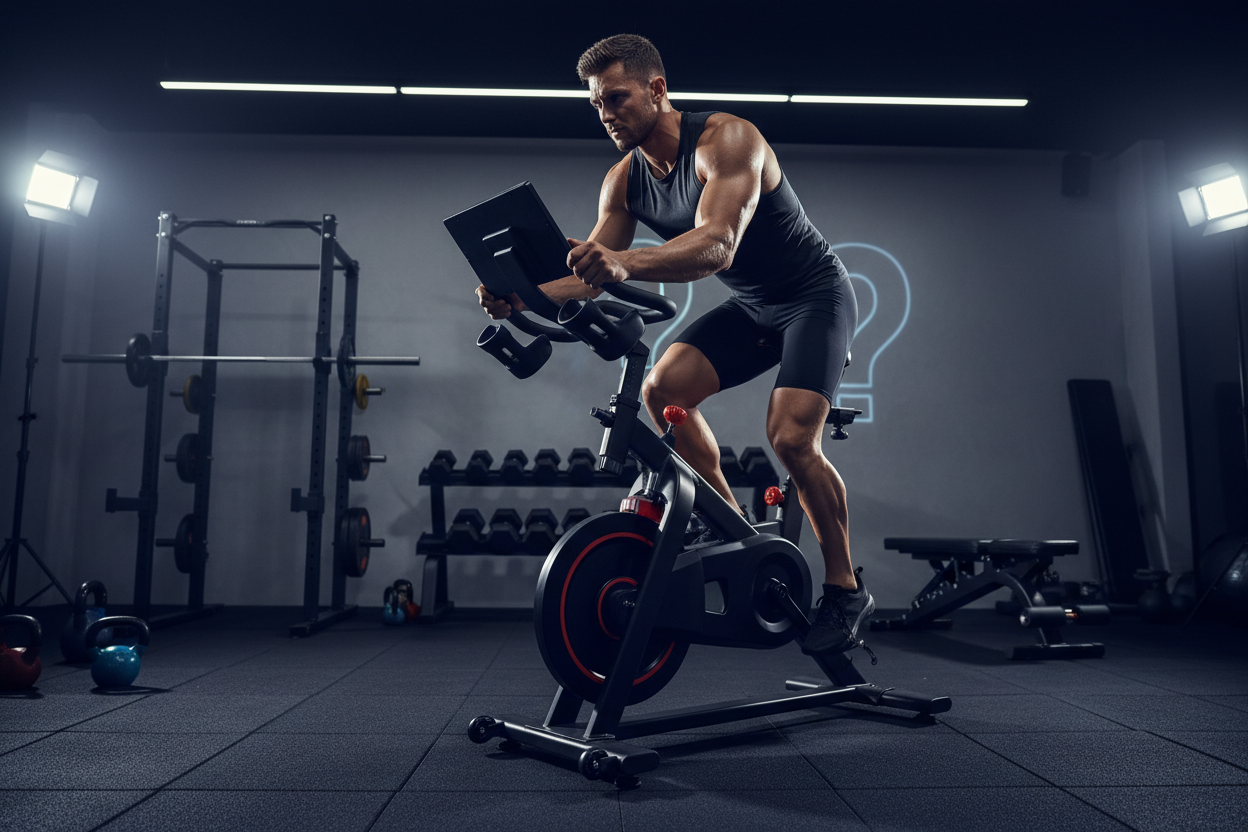
Whether you are trying to replicate the high-energy vibe of a cycling machine in gym classes or just want a quiet way to burn calories while watching TV, choosing the right bike matters. In this guide, we will break down exactly what to look for, how to fit it into your space, and whether it is truly worth the investment.
Key Takeaways
- Resistance type dictates the experience: Magnetic resistance offers a silent, maintenance-free ride compared to friction pads.
- Space efficiency is unmatched: Most models require a minimal 4-foot by 2-foot footprint, perfect for apartments or crowded garage gyms.
- Flywheel weight matters: A heavier flywheel (30+ lbs) provides a smoother, more realistic road feel.
- Adjustability is non-negotiable: Four-way seat and handlebar adjustments prevent knee and back pain during long rides.
Decoding the Specs: Finding Your Perfect Cardio Exercise Bike
Not every bicycle machine gym enthusiasts rave about will work for your specific home setup. Understanding the core components separates a clothes hanger from a daily driver.
Friction vs. Magnetic Resistance
Entry-level bikes often use friction pads, which physically press against the flywheel. While budget-friendly, they require maintenance and generate noise. Upgrading to a magnetic resistance cardio exercise bike ensures whisper-quiet operation—crucial if you are training in an apartment or while the rest of the house is sleeping.
Space Planning for Your Home Setup
One of the biggest advantages of a bicycle machine in gym environments is its compact nature, and this translates perfectly to home use.
Footprint and Clearance Needs
Unlike massive power racks or functional trainers, a standard indoor bike requires very little real estate. Plan for a 48-inch by 24-inch footprint. However, do not forget vertical clearance. If you plan on doing out-of-the-saddle climbing intervals, ensure you have at least 7 to 8 feet of ceiling height, especially in basement gyms.
Maximizing Your Training Application
Having a bike machine in gym spaces is only useful if you actually ride it. Integrating it into your routine requires more than just mindless pedaling.
Programming Your Rides
To get the most out of your cycle exercise gym sessions, mix up your intensities. Use the bike for 45-minute Zone 2 (low heart rate) recovery rides on your rest days from heavy lifting. Alternatively, crank up the resistance for 20 minutes of brutal HIIT sprints. The beauty of this equipment is its versatility across different fitness goals.
From Our Gym: Honest Take
We have tested dozens of bikes over the years, from budget buys to commercial studio models. Here is my honest take: you do not need a massive touchscreen if you are on a budget, but you do need a heavy flywheel and a rock-solid frame. At 6'2" and 215 lbs, I have snapped cheap pedals and wobbled dangerously on lightweight frames during standing sprints. When I switched to a commercial-grade magnetic bike for my garage gym, the difference was night and day. The only caveat? The stock saddles on almost all of these bikes are notoriously stiff. Spend the extra $30 on a padded gel seat cover or a premium aftermarket saddle—your sit bones will thank you.
Frequently Asked Questions
Is a cycling machine for exercise good for weight loss?
Yes, when combined with a caloric deficit. A rigorous 45-minute session can burn anywhere from 400 to 600 calories depending on your intensity and body weight, making it a highly efficient tool for fat loss.
Does an indoor bike build muscle?
While primarily a cardiovascular tool, cranking up the heavy resistance during seated or standing climbs will significantly engage your quads, hamstrings, calves, and glutes, promoting lower-body muscular endurance.
How much maintenance does a home exercise bike need?
If you opt for a magnetic resistance model, maintenance is minimal. Simply wipe down the sweat from the frame and handlebars after every use to prevent rust, and check the pedal threads and crank arms for tightness once a month.