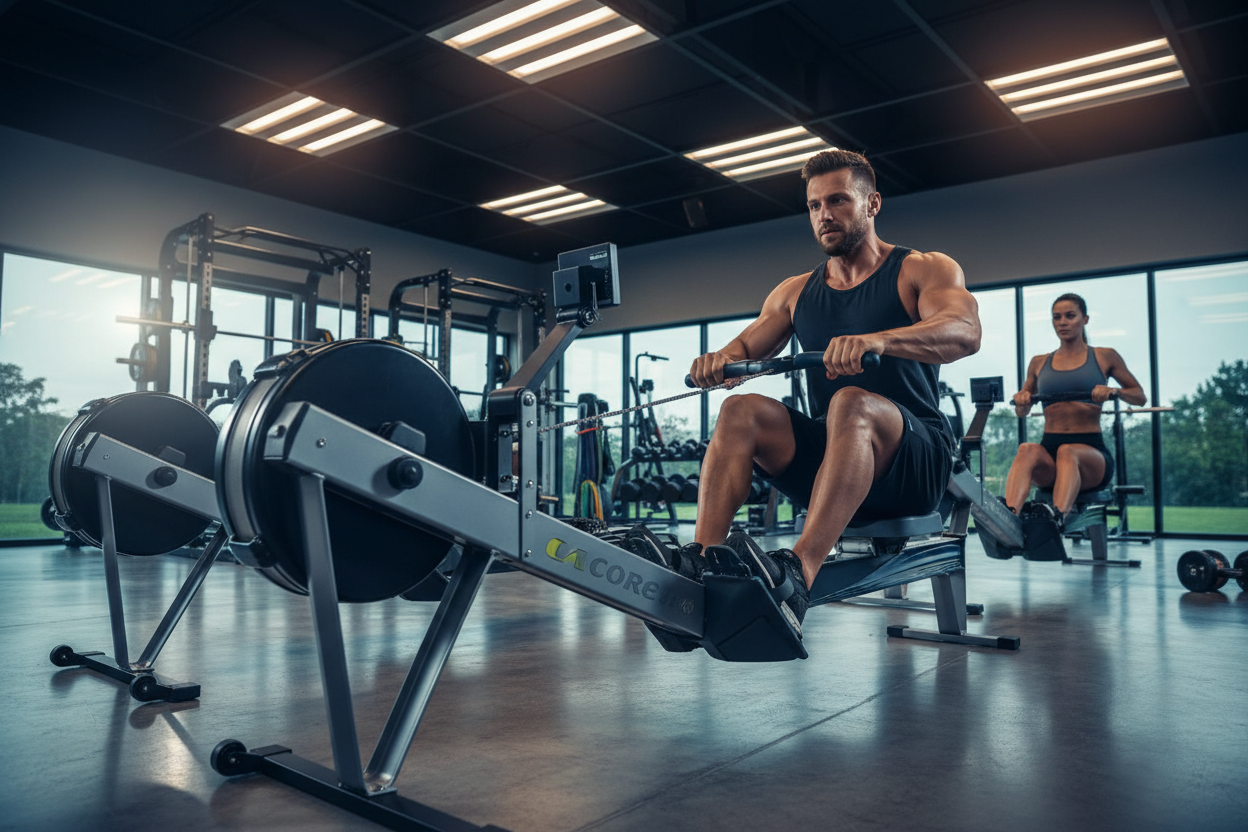
Consumer Reports Rowing Machine Standards: The Definitive Buyer's Guide
Buying fitness equipment feels like navigating a minefield of paid influencers and flashy Instagram ads. You aren't just looking for a machine; you are looking for the truth about durability and performance. That is exactly why the search for a reliable consumer reports rowing machine analysis is so high. You want objective data, not marketing fluff.
When you strip away the hype, what actually separates a machine that lasts a decade from one that becomes a clothes rack in three months? It comes down to biomechanics, build quality, and resistance consistency. Below, we break down the rigorous standards used to evaluate these machines so you can make an educated choice without wasting money.
Key Takeaways: Evaluating Rowers Like a Pro
- Resistance Consistency: Top-rated machines provide smooth tension through the entire stroke, eliminating the 'dead spot' at the catch.
- Frame Integrity: Reviews favor steel or solid wood frames that do not flex or creak under high-intensity sprinting.
- Monitor Accuracy: A pretty screen is useless if the wattage data is inaccurate; standardized metrics are crucial for tracking progress.
- Noise Levels: Magnetic rowers score highest for quietness, while air rowers are louder but offer better dynamic resistance.
- Value vs. Price: The highest price tag doesn't guarantee the best rating; mid-range models often win on 'Best Buy' value metrics.
Decoding Rowing Machine Reviews Consumer Reports Style
When organizations like Consumer Reports test equipment, they don't just look at how shiny the paint is. They look at failure points. Understanding their methodology helps you spot a lemon before you click 'buy'.
The Ergonomics Factor
A rower might look sleek, but if the geometry is off, your lower back will pay the price. High-scoring consumer reports rowing machines prioritize the seat-to-pedal ratio. The rail must be long enough to allow full leg extension for taller users, and the handle position should not force you to hunch forward at the catch.
If a machine forces your knees to flare out because the footplates are too close together, it usually gets docked significant points. Comfort isn't just a luxury; it's a safety requirement.
The Resistance Debate: Air, Water, or Magnetic?
This is where most buyers get confused. Here is the science behind the ratings:
- Air Resistance: Generally the gold standard (think Concept2). It offers infinite resistance—the harder you pull, the harder it gets. It scores high for performance but low for noise control.
- Magnetic Resistance: These use magnets to create tension. They are silent and great for apartments. However, cheaper models often suffer from a 'steady-state' feel where the resistance doesn't increase dynamically with your effort, leading to lower performance scores.
- Water Resistance: These provide the most realistic 'on-water' feel and sound. While they rate well for aesthetics and smoothness, maintenance (treating the water) can sometimes affect long-term ownership scores.
The Hidden Metrics: Durability and Safety
You can tell a lot about a machine by how it sounds after six months of use. Rowing machine reviews consumer reports highlight often focus on 'wear and tear' simulation.
Plastic pulleys are the enemy. High-ranking machines utilize metal chains or high-strength nylon belts. If a review mentions 'fraying' or 'skipping' in the drive train, stay away. Additionally, check the monitor arm stability. A monitor that wobbles every time you take a stroke is a major distraction and a sign of cheap assembly.
My Training Log: Real Talk
I want to step away from the technical specs for a moment and share my personal experience with consumer reports rowing machine top picks versus the generic knock-offs.
A few years ago, I bought a budget magnetic rower that looked great on paper. It had a 'quiet drive' and '10 levels of resistance.' The first time I sat on it, I realized what the specs didn't tell me. The foot straps were positioned too high, cutting into my shins at the finish of the stroke. But the real deal-breaker was the 'slip.'
When I tried to do a 500m sprint, the machine physically couldn't keep up with the speed of the chain retraction. The chain would go slack for a split second before catching, jarring my shoulders every single rep. It felt like trying to row a boat with a broken oar. I eventually sold it and bought a utilitarian air rower. It's loud—it sounds like a jet engine taking off in my garage—but the feedback is instant. The grip on the handle has a rough knurling that tears up my hands if I don't sand down my calluses, but I'd take that over a smooth, plastic handle any day. That tactile feedback is the difference between a workout and a waste of time.
Conclusion
Finding the right rower isn't about getting the one with the biggest touchscreen; it's about finding the one that mimics the mechanics of actual rowing without falling apart. By applying the same rigorous standards found in consumer reports rowing machines evaluations—focusing on frame rigidity, chain connection, and ergonomic geometry—you can build a home gym that actually serves your goals.
Frequently Asked Questions
Do I need a subscription-based rower to get a good workout?
No. While subscription models offer motivation, they often hide mediocre hardware behind a flashy screen. Many top-rated rowers rely on simple, accurate performance monitors (like the PM5) that require no monthly fees.
Which resistance type is quietest for apartment living?
Magnetic resistance is the quietest option, making it ideal for shared spaces. However, ensure you choose a model with a heavy flywheel to maintain a smooth rowing motion.
How long should a good rowing machine last?
A high-quality commercial-grade rower (often favored in consumer reports) should last over 10 years with regular maintenance, such as oiling the chain and wiping down the rail.