Consumer Reports Fitness Equipment: The Definitive Buying Guide
You have likely stood in a sporting goods store, staring at a row of treadmills that all look identical, wondering why one costs $600 and the other $3,000. It is the classic dilemma of building a home gym: distinguishing between high-quality engineering and clever marketing. This is where consumer reports fitness equipment analysis becomes your most valuable asset.
Relying solely on Amazon stars or influencer reviews can lead to a garage full of clothes hangers—expensive machines that broke or felt terrible to use after a month. We need to look at the data derived from stress testing, safety protocols, and long-term durability metrics. Let's break down how to interpret these reports to build a setup that actually lasts.
Key Takeaways
- Lab Testing Over Hype: Authentic reports prioritize motor longevity and frame weld integrity over flashy touchscreens.
- Safety First: The highest-rated gear often scores best in emergency stop response times and stability under max load.
- Ergonomics Matter: High scores in exercise equipment consumer reports correlate with stride length accuracy and joint impact reduction.
- Warranty as a Proxy: There is a direct link between a manufacturer's warranty length and the equipment's ranking in reliability tests.
Decoding the Data: How Testing Actually Works
When you look at exercise equipment consumer reports, you aren't just looking at opinion. You are looking at the results of mechanical torture tests. Engineers often run treadmills for weeks straight to simulate years of use, or drop weights repeatedly on benches to test structural failure points.
The Durability Factor
Marketing copy will tell you a machine is "heavy duty." Independent testing reveals the truth. The best home gym consumer reports consistently favor equipment with heavy-gauge steel (usually 11-gauge or lower) and minimal plastic parts in load-bearing areas. If a report flags a machine for "wobble under load," that isn't a minor annoyance; it is a safety hazard waiting to happen during your bench press.
Selecting the Best Home Gym Equipment
Building a home gym requires a strategic mix of cardio and strength gear. The best home gym equipment consumer reports usually categorize these differently based on usage intensity.
Cardio Machines: Motor and Belt Integrity
For treadmills and ellipticals, the motor's Continuous Horsepower (CHP) is the metric to watch. Reports often highlight that anything under 2.5 CHP struggles to maintain smooth belt speed for runners over 180 lbs. If the belt slips or jerks when your foot lands, the machine failed the ergonomics test. Look for consistent high marks in "belt smoothness" and "noise reduction."
Strength Training: Stability is King
When searching for the best home gym consumer reports regarding power racks or adjustable dumbbells, ignore the finish and look at the weight capacity and footprint. Top-rated gear provides a wide base of support. If a report mentions "tipping risk" during lateral movements, cross that item off your list immediately, regardless of the price.
My Training Log: Real Talk
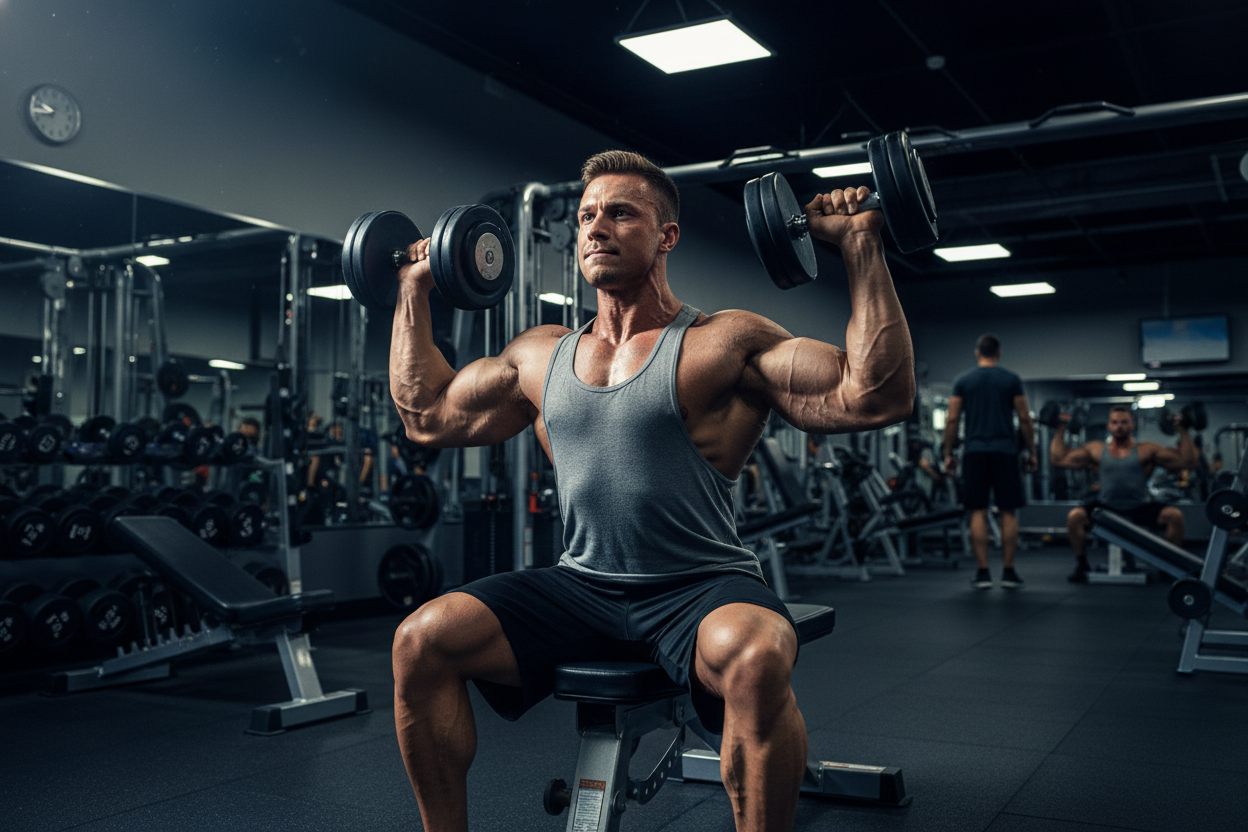
I want to share a specific experience that changed how I view these ratings. A few years ago, I ignored the data and bought a budget-friendly adjustable bench that looked great in photos. It had decent user reviews online, but the technical reports had flagged it for "poor gap consistency."
I didn't understand what that meant until I was lying back with 80lb dumbbells in my hands. There was a two-inch gap between the seat and the back pad that hit right at my lumbar spine. Every time I pressed up, I felt the vinyl pinch my lower back, and worse, the adjustment pin had this terrifying 'clack' sound that suggested it wasn't fully seated in the hole. It didn't feel solid; it felt like a folding chair.
I replaced it with a bench that had top marks for frame rigidity. The difference wasn't just safety; it was the density of the foam. On the high-rated bench, the pad didn't compress to the plywood when I lay on it. That specific firmness gave me the leverage to lift heavier. The specs matter.
Conclusion
Investing in fitness gear is investing in your future health, but only if the equipment survives the journey. By prioritizing objective data over flashy features, you ensure your home gym serves you, rather than becoming an expensive source of frustration. Check the weld quality, verify the motor specs, and trust the stress tests.
Frequently Asked Questions
Are consumer reports for fitness equipment actually unbiased?
Generally, yes. Major consumer testing organizations purchase the products they test (rather than accepting freebies from brands) to maintain objectivity. They focus on measurable metrics like noise levels in decibels, assembly time, and failure rates.
What is the most important metric in equipment reports?
For electronic gear, it is the warranty on parts and labor. For strength gear, it is the weight capacity. A high weight capacity indicates better steel quality and welding, even if you never lift that much weight.
Does expensive always mean better in ratings?
Not always. While very cheap equipment often fails durability tests, reports frequently find "mid-range" champions that outperform luxury brands. You are often paying extra for large screens and subscription software rather than better mechanics.