Choosing a 4x8 Gym Mat: The Definitive Home Gym Guide
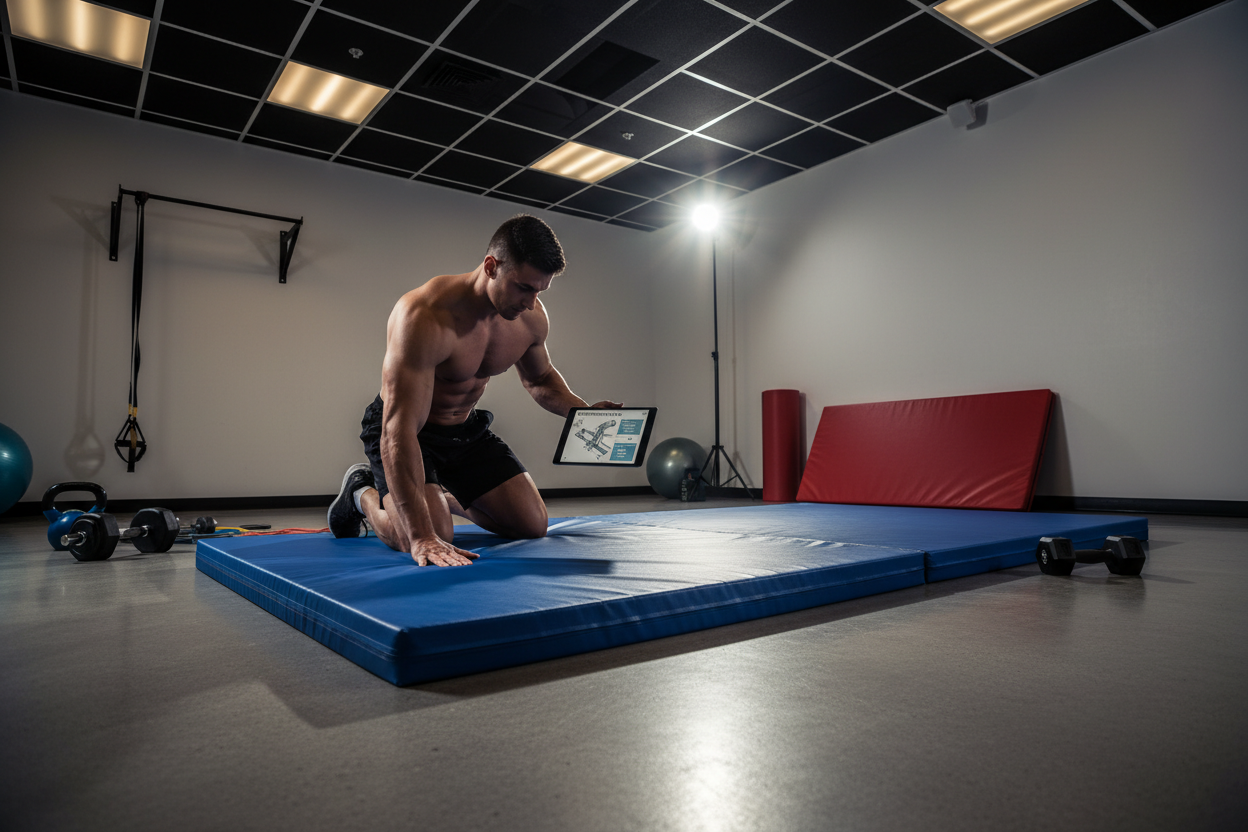
You have likely reached that frustration point where a thin yoga mat just doesn't cut it anymore. You need impact absorption, you need space to move, and you need safety. This is where the standard 4x8 gym mat becomes the most critical piece of equipment in your home setup.
Whether you are drilling back handsprings, wrestling, or just need a stable surface for HIIT, this specific size offers the perfect balance between coverage and storability. But not all mats are created equal, and buying the wrong density can lead to wrist pain or rolled ankles. Let's break down exactly what you need to know.
Key Takeaways: Quick Summary
- The Gold Standard Size: A 4x8 gymnastics mat is the industry standard because it accommodates the height of an average adult with arms extended, ensuring head-to-toe protection.
- Thickness Matters: Choose 1-3/8 inch for standing arts and tumbling speed; choose 2 inches for heavy impact cushioning and takedowns.
- Foam Density: Look for Cross-Linked Polyethylene foam. Avoid soft polyurethane sponges unless you are strictly doing gentle stretching.
- Expandability: Ensure your gym mat 4 x 8 has Velcro on all four sides (V4) if you plan to create a larger floor area later.
Why the 4x8 Dimension is Critical
You might wonder why the gymnastics mat 4 x 8 configuration is so prevalent. It isn't random. In biomechanics, when an athlete (or enthusiastic kid) extends for a cartwheel or a layout, they need a runway that exceeds their height.
A 6-foot mat is often too short for a full extension, leading to hands or feet landing on the hard floor. The 8-foot length provides a safety buffer. Furthermore, standard plywood subfloors come in 4x8 sheets, meaning these mats fit perfectly into constructed home gym spaces without awkward gaps.
Analyzing Core Construction
The Foam: The Engine Under the Hood
The cover looks nice, but the foam saves your joints. A high-quality tumbling mat 4x8 utilizes Cross-Linked Polyethylene (PE) foam. This material is firm. It doesn't squish flat when you stand on it.
If you step on a mat and your foot sinks to the floor, it is likely low-density PU foam. That is fine for a nap, but dangerous for a 4 x 8 tumbling mat. You need resistance to generate power for jumps and to protect wrists during impact.
The Cover: Vinyl Weight
Look for 18oz vinyl knife-coated fabric. Cheaper exercise mat 4x8 options use 14oz or lower. The difference? The lighter vinyl stretches and bubbles over time, creating trip hazards. Heavy-duty 18oz vinyl stays taut and provides that satisfying "snap" sound when you land a trick.
Thickness: 1-3/8" vs. 2"
This is the most common question I get. Here is the rule of thumb:
- 1-3/8 Inch: This is the standard for a 4 x 8 gymnastics mat used for tumbling passes. It provides a firm surface that allows for quick rebound. It mimics a spring floor feel.
- 2 Inch: Better for judo, wrestling, or crash landings. If your primary goal is fall protection rather than speed, go thicker.
My Training Log: Real Talk
I want to step away from the specs and tell you about my actual experience with these mats in my garage gym. A few years ago, I bought a budget 4x8 gym mat off a random marketplace listing. It looked fine in the photos.
The first time I did a burpee, I felt the difference. The vinyl was slippery—like, "sliding across the floor" slippery—because it lacked the proper non-skid texture on the bottom. But the worst part was the Velcro connection. It only had strips on the long sides.
When I tried to do a round-off, my foot hit the seam where two mats joined, and because there was no Velcro on the ends to lock them together, they drifted apart. My toe went right into the gap and jammed against the concrete. It took weeks to heal. Now, I only use mats with Velcro on all four sides (V4) and a textured bottom. You also want to check the smell; high-quality mats have a faint plastic scent that vanishes in a day. That cheap one I bought smelled like chemical gasoline for six months. Trust me, pay for the better foam.
Conclusion
Investing in a proper 4x8 gym mat is an investment in your longevity. Whether you call it a tumbling mat or a panel mat, the goal is the same: a safe, consistent surface that encourages you to train harder. Don't compromise on the foam density, and double-check those Velcro connections.
Frequently Asked Questions
Can I use a tumbling mat 4x8 for yoga?
You can, but it will feel much firmer than a standard yoga mat. The 1-3/8 inch foam doesn't offer the "sink-in" comfort of a yoga mat, but it provides excellent stability for balancing poses like handstands or crow pose.
How do I clean my gym mat 4 x 8?
Use a mixture of warm water and mild dish soap. Avoid harsh chemicals or bleach, as they can dry out the vinyl and cause cracking over time. Wipe it down and let it air dry before folding it up to prevent mildew.
Can I leave my gymnastics mat 4 x 8 outside?
No. While the vinyl is durable, UV rays will degrade the fabric rapidly, making it brittle. Additionally, moisture can seep into the stitching and rot the foam core. Always store your mats indoors.