Chest Workouts That Truly Build Strength and Shape
Building a strong, well-defined chest isn’t just about aesthetics – it’s a vital part of overall upper body strength and posture. Your pectoral muscles contribute to pushing movements, stabilization, and even breathing mechanics. Knowing the right exercises and structuring an effective chest workout can make all the difference between minimal growth and visible, functional improvements.
Understanding the Chest Muscles
The main muscle group worked during chest exercises is the pectoralis major, which has a sternal head (lower portion) and clavicular head (upper portion). Beneath it lies the pectoralis minor. Any good chest workout should target these parts through a variety of angles, movement patterns, and resistance modalities to ensure balanced development.
Top Compound Chest Exercises
Compound exercises form the foundation of most pectoral workouts. They recruit multiple muscle groups, enabling you to lift heavier and achieve greater strength gains.
- Barbell Bench Press: A classic lift that develops overall chest mass. Adjusting grip width can emphasize different areas of your chest.
- Dumbbell Press: Offers a greater range of motion than the barbell, helping improve muscle activation and balance.
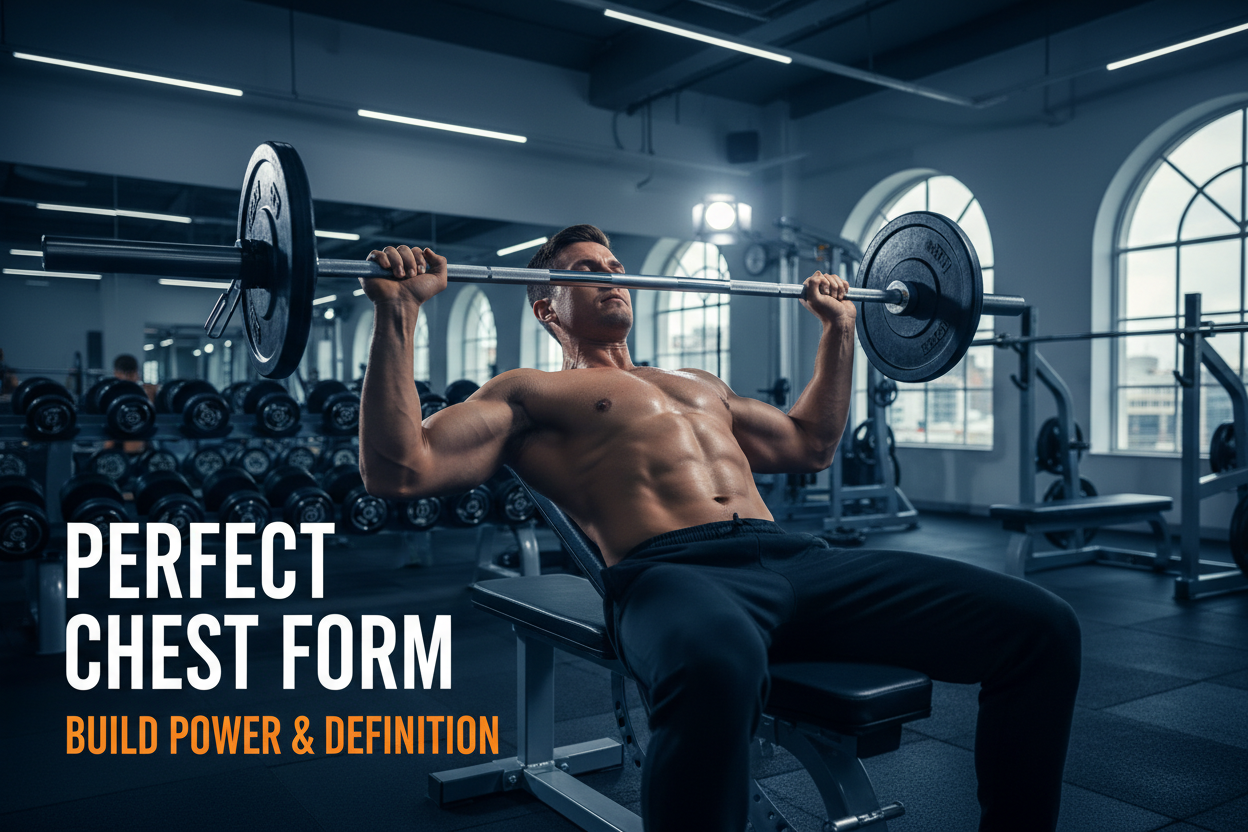
- Incline Bench Press: Targets the upper chest area, improving definition near the collarbone.
- Decline Bench Press: Focuses on the lower chest, rounding out fullness.
Effective Isolation Chest Moves
To maximize your chest’s shape and definition, incorporate isolation exercises into your workout. These moves target the chest more directly and can be used toward the end of a session to fully fatigue the muscle.
- Cable Fly: Allows constant tension throughout the movement, ideal for sculpting the chest and improving muscle fiber recruitment.
- Dumbbell Fly: Performed on flat, incline, or decline bench positions for varied emphasis.
- Pec Deck Machine: Perfect for those focusing on a strict line of movement without worrying about balance.
Bodyweight Chest Training
You can build impressive strength and a solid chest shape without weights. Bodyweight exercises are excellent for home workouts or endurance-focused training.
- Push-Ups: Simple yet effective. Change hand placement to hit different parts of the chest.
- Wide-Grip Push-Ups: More emphasis on the pecs than the triceps.
- Archer Push-Ups: A unilateral loading pattern helping improve strength imbalances.
Structuring a Balanced Pectoral Workout
For an effective chest workout, a combination of heavy compound lifts, moderate weight isolation exercises, and endurance sets works well. A typical structure might look like:
- Barbell Bench Press – 4 sets of 6-8 reps
- Incline Dumbbell Press – 3 sets of 8-10 reps
- Cable Fly – 3 sets of 12-15 reps
- Push-Ups to failure – 2 sets
Personal Experience: Finding What Works
When I first started training my chest, I stuck mainly to flat bench presses. While my strength grew, my chest lacked upper fullness. After adding incline presses and cable flys, my chest shape transformed within a few months. The lesson I learned: experiment with angles and exercises until you find what brings balanced development and strength.
Progression and Recovery
Chest muscles respond well to progressive overload. This means gradually increasing weight, reps, or altering tempos to challenge your muscles. Recovery is equally important – give your chest 48 to 72 hours before training it again, and support growth with proper nutrition and sleep.
Tips for Maximizing Chest Gains
- Focus on form to avoid shoulder strain.
- Use a full range of motion to recruit all muscle fibers.
- Incorporate both pressing and flying movements.
- Don’t neglect warm-ups and activation drills like band pull-aparts.
- Adjust angles regularly to target all chest areas.
Final Thoughts
A strong chest is more than just a mirror muscle – it’s a foundation for many athletic movements and helps improve overall upper body balance. Whether you’re working out at home or in a gym, focus on variety, progression, and proper recovery. Over time, thoughtful chest training will pay off in strength, aesthetics, and functional capacity.