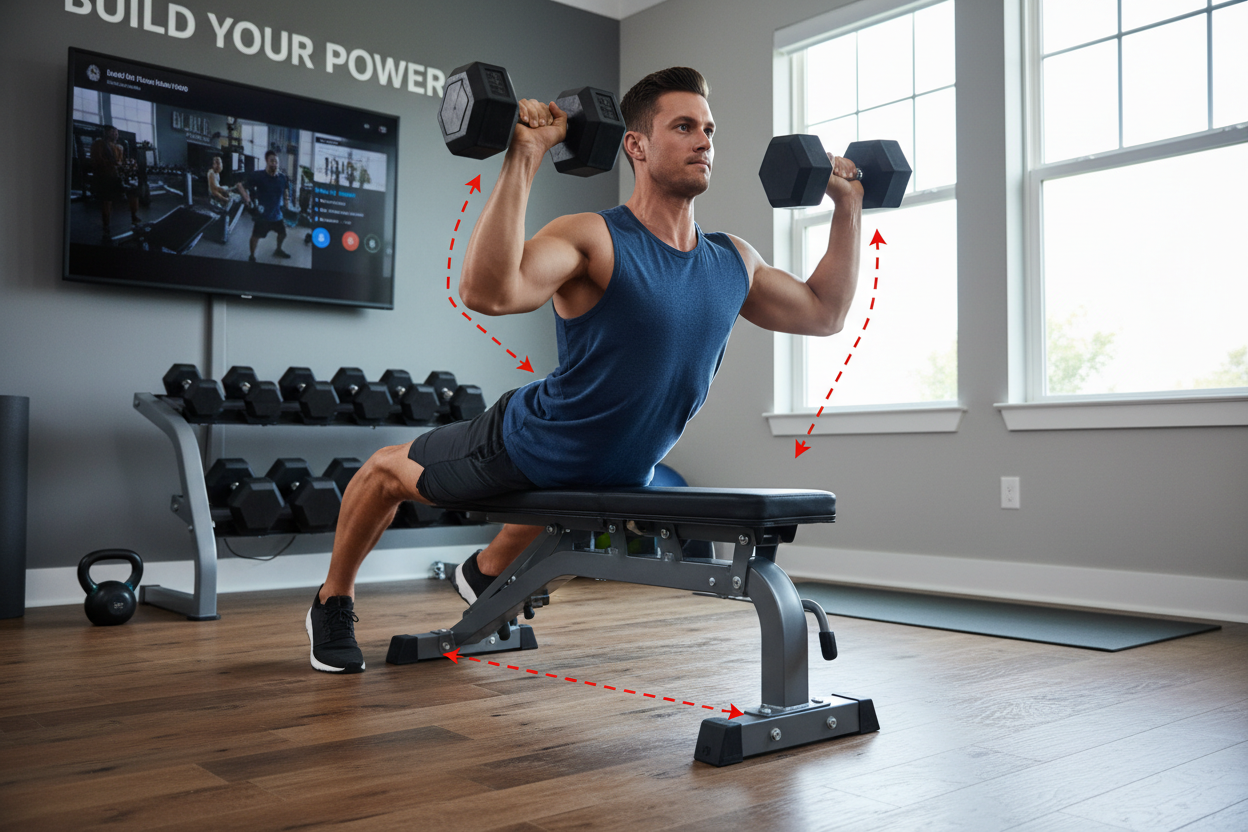
Chest Hypertrophy Workouts That Actually Build Size
Developing a fuller, stronger chest requires more than just showing up at the gym and doing a few sets of push-ups or bench presses. Hypertrophy training involves a structured approach that targets muscle growth through specific exercises, optimal loads, and intentional progression. For anyone looking to boost chest size, understanding the mechanics behind each movement is essential.
Understanding Chest Hypertrophy
Chest hypertrophy focuses on maximizing the growth of the pectoral muscles, which include the pectoralis major and minor. Achieving this means working the muscle fibers through a variety of angles and loads, typically aiming for moderate to heavy weights with higher volume. Unlike pure strength training, hypertrophy isn’t just about moving the heaviest weight possible – it’s about maintaining tension and creating micro-tears in muscle fibers that heal bigger and stronger.
Best Chest Exercises for Hypertrophy
Choosing the right movements is crucial for growth. Here are some proven hypertrophy chest exercises to include in your routine:
Barbell Bench Press
This classic movement remains one of the best for building overall chest mass. A controlled tempo, with a slight pause at the bottom, increases time under tension and enhances muscle recruitment.
Dumbbell Press
Dumbbells allow for a greater range of motion compared to a barbell, enabling deeper stretches and more balanced development between sides of the chest. Incline variations can emphasize the upper portion of the pecs.
Incline Barbell Press
Targeting the upper chest through an inclined bench angle helps create a fuller, rounded look and supports overall symmetry. Keep the grip moderate to avoid shoulder strain while focusing on driving through the chest.
Cable Flyes
Cable flyes are excellent for keeping constant tension on the chest through the entire movement. Performing them from multiple angles – low, mid, and high – ensures complete activation of muscle fibers.
Weighted Dips
Leaning forward during dips can shift emphasis toward the chest rather than the triceps. Adding resistance with a dip belt increases stimulus for growth.
Structuring a Hypertrophy Chest Workout
For optimal results, a hypertrophy chest workout should be performed 1–2 times per week, with dedicated rest days for recovery. A sample structure could look like this:
- Barbell Bench Press: 4 sets of 6–8 reps
- Incline Dumbbell Press: 3 sets of 8–10 reps
- Cable Flyes: 3 sets of 12–15 reps
- Weighted Dips: 3 sets of 8–10 reps
- Push-ups (slow tempo): 2 sets to failure
Principles of Hypertrophy Training for the Chest
While exercise selection is important, the principles behind hypertrophy are what truly drive results:
Progressive Overload
Consistently increase the weight, reps, or sets over time. Even small improvements keep muscles adapting and growing.
Volume and Frequency
A total weekly volume of 10–20 sets for the chest, split between multiple sessions, is often effective for intermediate lifters.
Mind-Muscle Connection
Focusing mentally on contracting and squeezing the chest can significantly enhance recruitment. This is especially important in isolation exercises like flyes.
Recovery and Nutrition
Muscles grow during recovery, not while you train. Adequate sleep, sufficient protein intake, and managing overall training stress play major roles in long-term progress.
Personal Insights
When I first started lifting, my chest lagged behind my other muscle groups despite regular bench pressing. It wasn’t until I adjusted my approach – slowing down each rep, incorporating incline work, and prioritizing cable flyes – that I began seeing notable improvements. Tracking my workouts and gradually increasing weights helped maintain steady progress without overtraining.
Creating the Best Chest Hypertrophy Workout for You
Not every exercise works equally well for everyone. Experiment with grip widths, angles, and tempos to discover what gives you the best pump and muscle activation. If you feel one area of your chest lacking, tailor your workout to include more movements that target that specific part. Consistency, deliberate training, and mindful execution are far more important than chasing novelty each session.
By combining compound lifts with targeted isolation work, maintaining disciplined recovery habits, and tracking progress, your chest can achieve both strength and size over time. With patient application of these methods, hypertrophy training can deliver a fuller, more defined chest you can be proud of.