Buying a Used Cybex Smith Machine? Read This Warning First
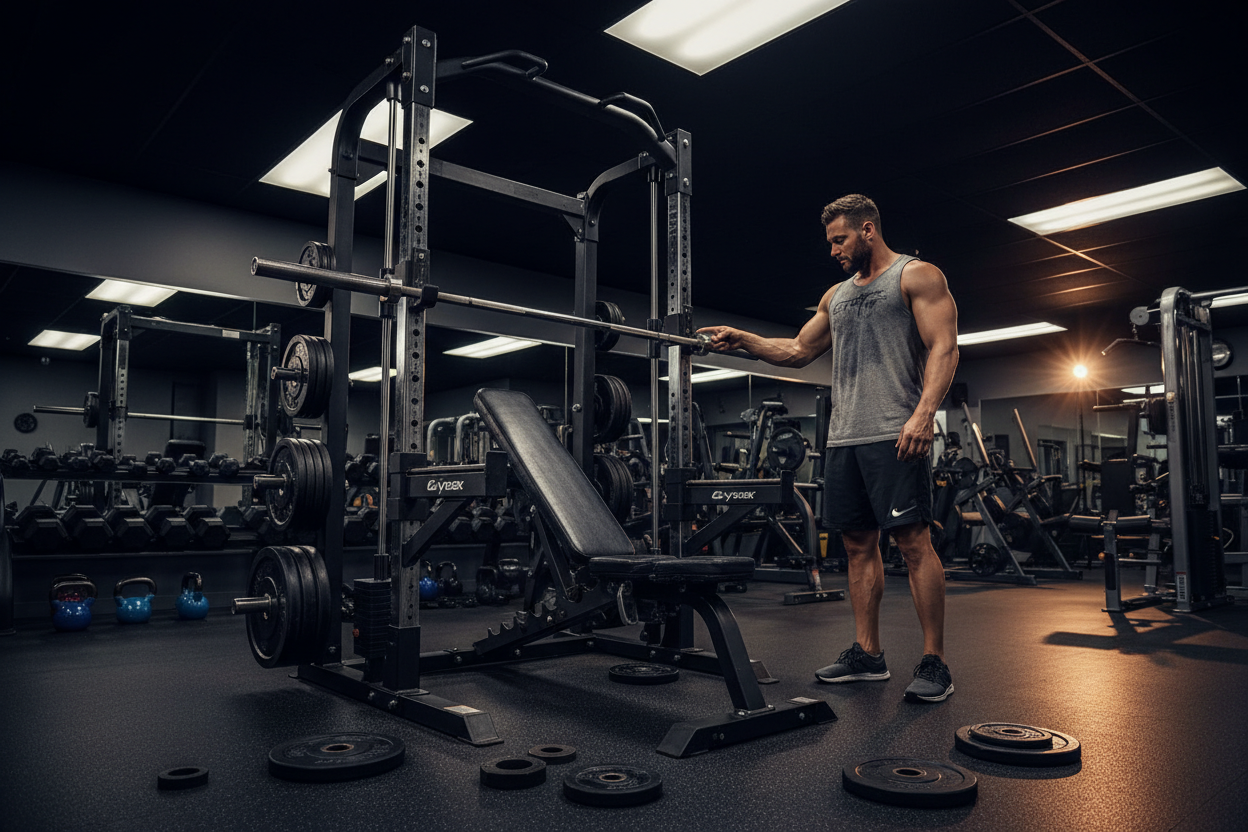
Building a commercial-grade home gym usually requires a massive budget, but savvy lifters know the loophole: the secondary market. If you are hunting for a used Cybex Smith machine, you are targeting one of the best pieces of engineering in the fitness industry. Cybex doesn't just weld metal together; they study biomechanics.
However, buying retired commercial equipment is risky. These machines have often been battered by thousands of gym-goers, slammed against safety stops, and neglected by maintenance staff. If you don't know what to look for, you might end up with a thousand-dollar coat rack that sticks halfway through a squat.
Key Takeaways: Inspection Cheat Sheet
- Check the Counterbalance: Cybex machines use a cable system to offset the bar weight (usually to 15 lbs). Ensure cables aren't frayed.
- The 7-Degree Angle: Verify the frame isn't bent. Cybex utilizes a specific angle to mimic natural body movement; it should not be perfectly vertical.
- Linear Bearing Test: The bar should glide silently. Grinding noises indicate shot bearings or scored guide rods.
- Safety Stop Integrity: Ensure the adjustable stops lock in firmly and haven't been stripped by heavy rack pulls.
- Transport Logistics: These units are welded heavy. You will likely need a truck and tools to disassemble the main uprights.
Why the Cybex Mechanism is Different
You aren't just buying steel; you are buying the path of motion. Most cheap residential Smith machines move in a straight vertical line. While that works for some movements, it puts unnatural shear force on the knees and shoulders during pressing and squatting.
Cybex engineers their equipment with a slight pitch—typically 7 degrees. This aligns with the natural arc of a bench press or a squat. When you are looking for a cybex smith machine used, this angle is the primary selling point. It allows you to lift heavier with less joint stress, but it also means the frame geometry is complex. If the unit was dropped during a gym move, that geometry can warp.
The "Glide Test": Inspecting Linear Bearings
The heart of this machine is the linear bearing system. This is what allows the bar to travel up and down the guide rods. On a well-maintained Cybex, this motion should feel frictionless.
When inspecting a potential buy, wipe the guide rods with a paper towel first. Then, move the bar up and down without any weight. If you feel "stuttering" or "grit," the bearings might be packed with old dust and metal shavings. While bearings can be replaced, guide rods that are scratched or scored cannot be fixed easily. If your fingernail catches on a scratch on the chrome rod, walk away. That scratch will eat every new bearing you install.
The Counterbalance Cable Danger
Unlike a standard barbell that weighs 45 lbs, a Cybex Smith bar often feels like it weighs 15 to 20 lbs. This is due to the counterbalance system hidden inside the side columns. Heavy lead weights move in opposition to the bar to make the starting weight manageable for all users.
This is the most critical failure point on used units. Inspect the steel cables connecting the bar to the counterweights. If you see fraying, kinks, or stripped plastic coating, you have a negotiation lever. Replacing these cables is a headache that requires specific parts, and if one snaps during a lift, the bar will suddenly become significantly heavier on one side, which is a recipe for injury.
My Personal Experience with a Used Cybex Smith Machine
I picked up an older Cybex plate-loaded unit from a closing commercial gym in New Jersey about three years ago. It looked pristine in the photos, but the reality was a bit grittier.
The first thing that threw me off wasn't the mechanics, but the smell. It had that distinct "old gym" metallic odor mixed with stale rubber. But the real surprise came during the first cleaning. I used a standard degreaser on the guide rods, which was a mistake. It stripped the factory lubrication, and suddenly the bar started screeching at the bottom of the concentric phase.
I learned the hard way that you cannot use WD-40 on these linear bearings. It gums them up. I had to completely disassemble the housing and apply a specific PTFE (Teflon) grease. Also, the knurling on the Cybex bar is surprisingly passive compared to a rogue power bar. It's designed for high-volume commercial use, so it won't tear up your hands, but if you're trying to hit a heavy PR without chalk, the bar tends to roll slightly because the rotation system is so smooth. It took me three sessions to get used to the fact that the bar weighs practically nothing when unloaded—I almost threw it through the ceiling on my first warm-up set because I pushed with force expecting 45 lbs.
Conclusion
A used Cybex Smith machine is a fortress of a specialized tool. It bridges the gap between machine isolation and free-weight compound movements. If you can find one with smooth rods and intact cables, it will outlast you. Just remember to respect the transport process—bring a socket set and a friend, because commercial steel doesn't bend.
Frequently Asked Questions
How much does the bar weigh on a Cybex Smith Machine?
Due to the counterbalance system, the starting resistance is usually between 15 lbs and 20 lbs (approx. 7-9 kg). This is significantly lighter than a standard 45 lb Olympic bar, so you must adjust your plate math accordingly.
Can I disassemble a Cybex Smith Machine for transport?
Yes, but it is difficult. You can usually remove the top crossmember and the bottom supports, but the main uprights often contain the counterbalance weights. Secure the weights before taking the frame apart, or they will crash down inside the column.
What lubricant should I use on the guide rods?
Never use oil-based lubricants or WD-40, as they attract dust and turn into sludge. Use a silicone-based spray or a Teflon (PTFE) lubricant designed for linear bearings to keep the motion smooth.