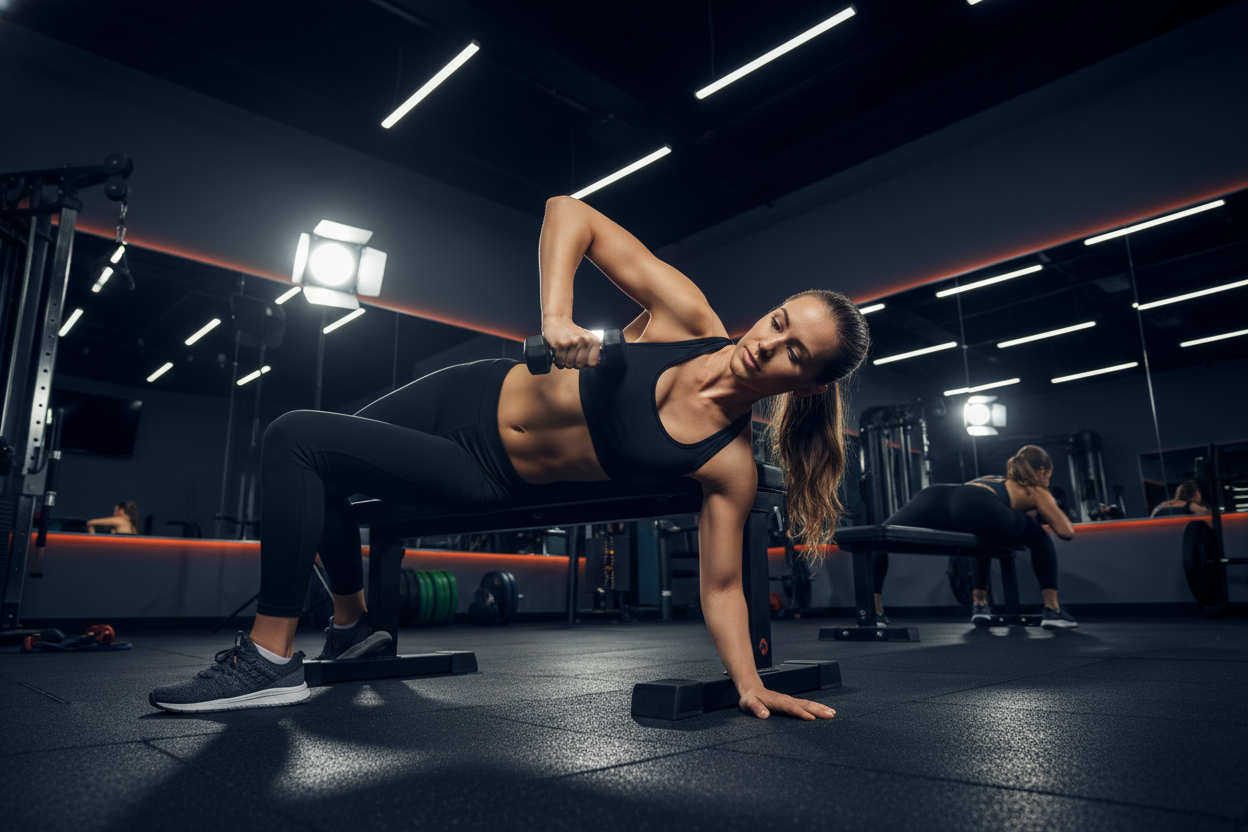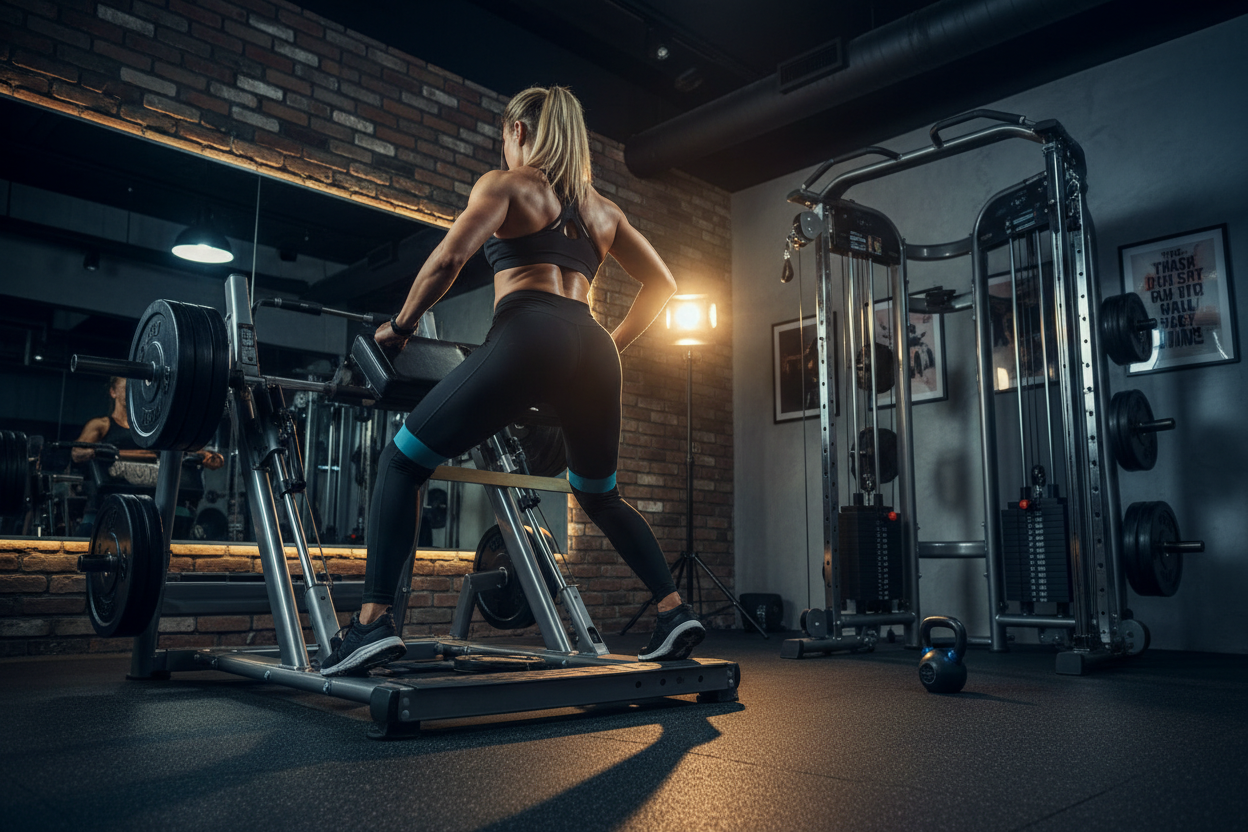
Building Bulletproof Glutes With Essential Hip Workout Equipment
You have likely seen the infomercials or the viral clips promising an hourglass figure with some strange contraption. But if you are serious about strength, stability, and aesthetics, selecting the right hip workout equipment requires looking past the gimmicks. The hips are the powerhouse of the human body, governing everything from how you walk to how much weight you can deadlift.
Many people confuse "waist training" with hip training. We need to clear that up immediately. Real hip training involves targeting the gluteus maximus, medius, and minimus to build muscle mass and functional power. Whether you are outfitting a home gym or trying to navigate the machines at your local health club, knowing which tools actually work is the first step to progress.
Key Takeaways
- Target Specificity: Effective equipment isolates the glutes without recruiting the lower back.
- Compound vs. Isolation: Use heavy weights (barbells/dumbbells) for size, and machines (cables/bands) for shaping and stability.
- The Ratio Myth: Equipment marketed for the "waist and hips" often promises spot reduction; instead, focus on building hip width to create a visual ratio change.
- Functionality: Standing abduction machines generally offer better functional carryover to athletics than seated versions.
The Science of Hip Mechanics
Before we buy gear, we have to understand the movement. Your hips move in multiple planes: extension (moving the leg back), abduction (moving the leg out), and rotation. A generic workout machine for hips often only targets one of these planes.
To build a complete physique, your equipment selection needs to cover all three bases. Neglecting abduction, for example, is why many runners develop knee pain—their hips aren't strong enough to stabilize the leg upon impact.
Gym Machines That Actually Work
The Hip Abduction Standing Machine
If your gym has a hip abduction standing machine, use it. While the seated "bad girl" machine (as it is colloquially known) is popular, the standing variation allows for a greater range of motion and forces you to stabilize your core while you work.
When you are standing, you are engaging the glute medius in a way that mimics how you actually move during sports or daily life. It prevents the "cheating" that happens when you leverage your back against a seat.
Cable Machines with Ankle Straps
This is perhaps the most versatile machine for hips exercise. By attaching a cuff to your ankle, you can perform kickbacks (extension) and lateral raises (abduction). The constant tension provided by the cable system is superior to dumbbells for these specific isolation movements because gravity isn't helping you at the bottom of the rep.
Home Equipment vs. Commercial Gear
Free Weights and Bands
You do not need a five-thousand-dollar rig to build hips. A heavy kettlebell or barbell is essential for the compound movements—squats and hip thrusts—that build the bulk of the muscle.
However, for the "pump" and metabolic stress, thick fabric resistance bands are unbeatable. They add resistance at the point of peak contraction, something dead weight cannot do.
The Truth About "Waist and Hip" Gadgets
You will often see searches for exercise equipment for waist and hips. Here is the honest truth: no machine can twist fat off your waist.
The equipment that helps this aesthetic is actually heavy hip equipment. By building the muscle mass of the glutes and hips, you create a visual disparity between the hip and the waist. Focus on hypertrophy (muscle growth) tools, not plastic twisting discs.
Common Mistakes When Using Hip Gear
The most frequent error I see is using too much weight on isolation machines. When you overload a hip abduction machine, your body naturally tries to recruit the TFL (a small muscle on the side of the hip) or the lower back to move the load.
Drop the weight. Focus on the mind-muscle connection. If you don't feel the burn specifically in the side or back of the hip, you are likely just moving weight, not building muscle.
My Personal Experience with Hip Workout Equipment
I want to share something that specs sheets won't tell you. A few years ago, I decided to focus entirely on glute medius strength to fix a lingering runner's knee issue. I started using a standard cable machine for kickbacks three times a week.
Here is the gritty reality: most gym ankle straps are garbage. I remember vividly the cheap velcro digging into my Achilles tendon every time I reached full extension. It was distracting enough that I couldn't focus on the muscle contraction. I eventually bought my own leather-lined cuff and kept it in my gym bag.
Also, regarding the standing abduction machine—the first few times I used it, I felt a distinct wobble in my plant leg. I realized my stabilizing leg was getting just as much work as the moving leg. It was humbling. It wasn't just about the weight on the stack; it was about fighting gravity to stay upright. That "wobble" is where the real stability gains happen, and you just don't get that sitting down playing on your phone.
Conclusion
Building strong hips isn't about finding a magic tool; it's about applying resistance to the right natural movement patterns. Whether you are using a specialized hip abduction standing machine or a simple kettlebell, the goal is tension and control. Stop looking for shortcuts for your waist, and start moving some serious weight with your hips.
Frequently Asked Questions
What is the best machine for widening hips?
You cannot change your bone structure, but you can build the gluteus medius muscle to create the appearance of wider hips. The hip abduction machine (standing or seated) and cable lateral leg raises are the best tools for targeting this specific muscle group.
Can I use a treadmill as hip workout equipment?
Standard running is mostly quad and hamstring dominant. However, if you set a treadmill to a high incline (12-15%) and walk at a brisk pace, you significantly increase gluteal activation. It works as a conditioning tool for the hips, but not a mass builder.
How often should I use hip isolation machines?
Since the glutes are large, powerful muscles, they can handle significant volume. You can typically train them 2 to 3 times per week. However, ensure you alternate between heavy compound days (squats/thrusts) and lighter isolation days (bands/abduction machines) to allow for recovery.