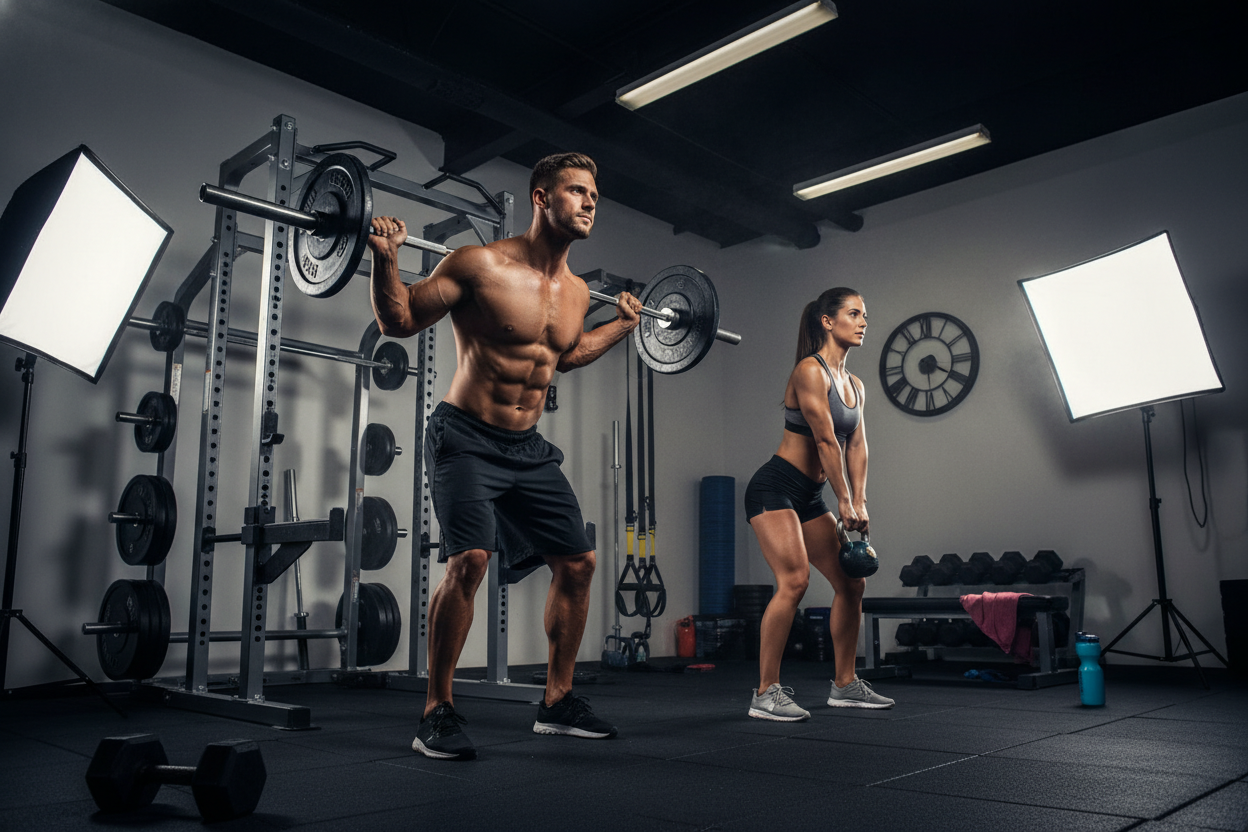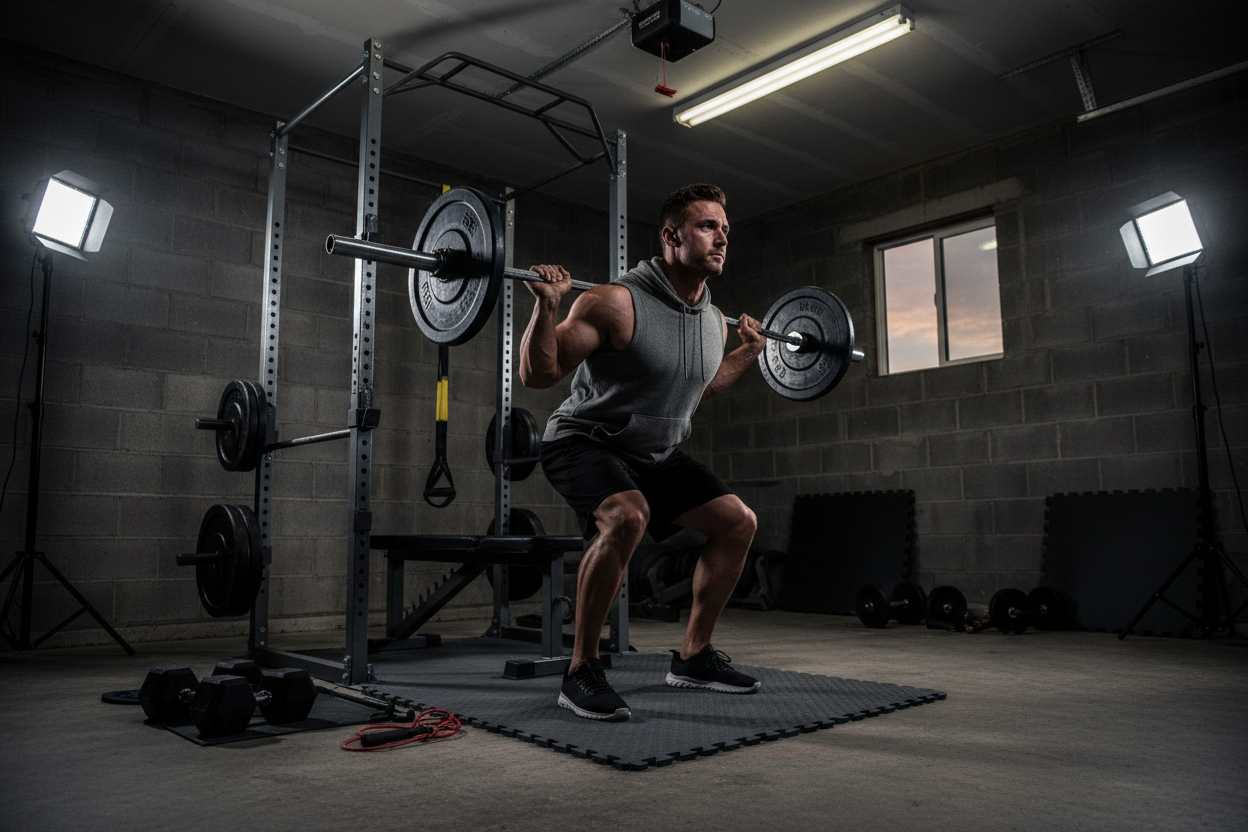
Building a Powerful Physique: The Definitive Guide to Home Gyms Under $500
Let’s be honest: building a garage gym usually sounds like an expensive endeavor. Most people assume you need thousands of dollars for a commercial-grade rack and a complete set of plates. That is simply not true. You can build a physique capable of moving heavy loads without draining your savings account.
If you are strategic about your purchases, finding the best home gyms under $500 is entirely possible. It requires ignoring the flashy marketing of high-end brands and focusing strictly on biomechanics, structural integrity, and versatility. This guide cuts through the noise to help you build a setup that works as hard as you do.
Quick Summary: What to Look For
- Versatility over Isolation: At this price point, avoid machines that only do one movement (like a leg curl machine). Prioritize gear that allows for compound movements.
- Weight Capacity: Look for benches and racks rated for at least 500-600 lbs to ensure stability, even if you don't lift that much yet.
- Footprint: A home gym under $450 often needs to fit in a spare bedroom or corner. Vertical storage and foldability are key.
- Material Quality: For a home gym under 300, expect 14-gauge steel. It’s lighter but sufficient for general fitness.
Defining Value: What $500 Actually Buys You
When we talk about a home gym under 500, we need to manage expectations regarding finish and features. You won't get laser-cut numbering on uprights or magnetic resistance systems. However, you can get safe, functional steel.
The market generally splits into two categories here: the "All-in-One" cable machines and the "Free Weight" essentials. For a serious lifter, the latter usually offers better longevity. A shiny multi-gym might look appealing, but cheap pulleys often add friction that ruins the eccentric portion of your lift.
The Sweet Spot: Home Gym Under $450
This price bracket is where you find the most reliable gear. You can secure a sturdy half-rack and a utility bench, or a high-quality set of adjustable dumbbells. This setup allows for progressive overload—the primary driver of muscle growth—which is often limited in cheaper, resistance-rod style machines.
Structuring Your Setup by Goal
1. The Strength Focus
If your goal is raw power, skip the cables. Your budget should go toward a home gym under $400 centered on a squat stand and a barbell. While plates might push you slightly over budget depending on the used market, the foundation is solid. Look for safety spotter arms; at this price point, they are non-negotiable for solo training.
2. The Hypertrophy (Muscle Building) Focus
For body shaping, you need volume and angles. Home gym equipment under $350 often includes adjustable benches and selectorized dumbbells. This combination allows you to hit every muscle group. The key here is the bench stability. A wobbling bench under a heavy press is a recipe for a shoulder injury.
3. The Calisthenics Route
For a home gym under 300, a high-quality power tower is unbeatable. It covers pull-ups, dips, and leg raises. Combined with a weighted vest or dip belt, this is often superior to a cheap total-body machine because it forces you to stabilize your own body weight, engaging the core more effectively.
Critical Construction Features
Before hitting "buy," inspect the specs. Manufacturers often hide weak points in the fine print.
Gauge Steel and Welding
The lower the gauge number, the thicker the steel. Commercial gyms use 11-gauge. For the best home gym under 500, you will likely see 12-gauge or 14-gauge. 14-gauge is acceptable for light to moderate use, but if you squat over 300 lbs, you need to verify the static weight capacity.
Padding and Upholstery
On a budget bench, the vinyl is often slippery, and the foam can be too soft. When you press heavy, you need a firm surface to drive your back into. If the foam compresses too much, you lose power transfer.
My Personal Experience with best home gyms under $500
I want to be transparent about what training in this price bracket actually feels like. A few years ago, I set up a temporary gym in a rental property with a strict $500 cap. I bought a generic adjustable bench and a half-rack off Amazon.
The first thing I noticed wasn't the look, but the smell—that distinct, oily rubber scent from cheap protective coating that took three weeks to air out. But the real reality check came during bench press. The bench had a slight lateral wobble because the bolt holes weren't machined perfectly tight. It didn't feel dangerous, but it was distracting.
I had to go to the hardware store, buy slightly larger washers, and crank the bolts down with a socket wrench far tighter than the instructions recommended to get it rigid. Also, the knurling on the cheap pull-up bar was aggressive—it felt like a cheese grater against my palms compared to the seasoned bars at my local gym. I had to tape it up. These are the small, gritty details you deal with to save money. It wasn't pretty, but once I dialed it in, I made some of the best strength gains of my life in that garage because I had zero excuses not to train.
Conclusion
Building a home gym doesn't require a second mortgage. Whether you opt for a home gym under $450 centered on free weights or a calisthenics setup, the equipment is just a tool. The effort you apply is the variable that matters. Start with the essentials, ensure your safety features are rated correctly, and upgrade over time.
Frequently Asked Questions
Is a home gym under $300 safe for heavy lifting?
It depends on the equipment type. A power tower under $300 is generally safe. However, for racks and benches, a $300 budget usually means lower weight capacities (often capping at 300-400 lbs). If you lift heavy, you should look closer to the $500 mark for 12-gauge steel frames.
Can I get a full-body workout with home gym equipment under $350?
Absolutely. A pair of adjustable dumbbells and a flat bench (totaling under $350) allows for squats, presses, rows, and lunges. This free-weight approach often yields better muscular balance than fixed-path machines found in the same price range.
What is the biggest downside to a budget home gym?
Assembly and stability. Budget equipment often comes with poor instructions and may require your own tools to assemble properly. Additionally, lighter frames may shift slightly during explosive movements, requiring you to weigh them down with sandbags or plates.