Building a Powerful Lower Body: Your Guide to Smart Leg Training
Let's cut straight to the chase: the best exercise for your legs doesn't exist. That's because a single movement can't effectively target the complex network of muscles that power your lower body. A truly effective approach involves understanding the major players and selecting exercises that challenge them from different angles. Your legs are built from several key muscle groups, each with a unique function. The quadriceps on the front of your thigh extend your knee, the hamstrings on the back bend your knee and extend your hip, the glutes are your primary hip drivers, and the adductors and abductors control movement in and out. Then you have the calves, responsible for ankle movement and stability. A complete leg train session considers all of these.
Mapping Your Muscles to Movements
Thinking in terms of leg exercises by muscle is the smartest way to design your routine. Instead of randomly picking moves, you match the exercise to the primary muscle's job. For your quads, movements where your knee does most of the work, like squats, lunges, and leg extensions, are foundational. The hamstrings and glutes are best engaged during hip-dominant actions. Deadlifts, hip thrusts, and Romanian deadlifts ask these muscles to work hard to extend your hip against resistance. This targeted approach ensures you're not just moving weight, but stimulating growth and strength where it matters most.
Crafting a Complete Leg Muscle Workout
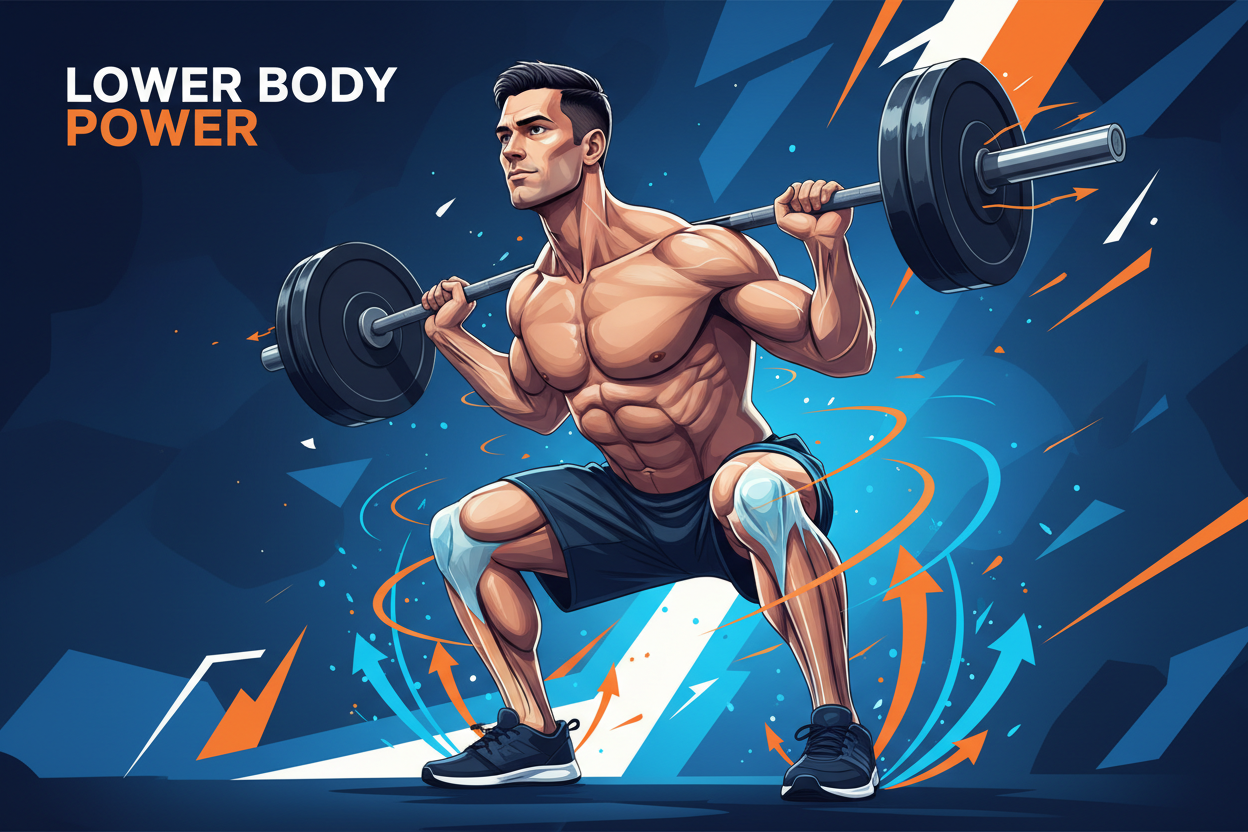
A balanced leg muscles and workouts plan incorporates a mix of these movement patterns. You might start with a compound exercise like barbell back squats, which demand effort from your quads, glutes, hamstrings, and core simultaneously. From there, you can layer in more isolated work to address weaknesses or bring up lagging areas. After heavy squats, following up with leg curls directly targets the hamstrings, while walking lunges challenge stability and unilateral strength. The goal of an all leg muscles workout is fatigue across the entire system, not just one part of it.
I learned this the hard way early on. My routine was heavy on squats and leg presses, and while my quads grew, I developed a noticeable imbalance. My hamstrings were tight and weak, which eventually led to a nagging knee pain. It wasn't until a coach had me prioritize Romanian deadlifts and glute-focused movements that the pain subsided and my overall power skyrocketed. That experience cemented for me that knowing which leg muscles to workout and how is non-negotiable for both performance and health.
Key Exercises for a Powerful Foundation
So, what are some of the most effective leg exercises and muscles worked? Let's break down a few staples. The barbell back squat remains a king for a reason; it's a full-body challenge that heavily taxes the quads, glutes, and spinal erectors. For pure posterior chain development, the Romanian deadlift is unparalleled in teaching you to hinge at the hips and load the hamstrings and glutes under tension. Don't overlook the bulgarian split squat either. This single-leg beast not only builds formidable quad and glute strength but also highlights and corrects imbalances between sides, making it one of the most revealing and productive muscle leg exercises you can do.
Putting It All Together: A Sample Session
Your workout for leg muscles should flow from heavy, complex lifts to lighter, more focused ones. A sample session might look like this: begin with barbell back squats for 4 sets of 6-8 reps to build raw strength. Move to Romanian deadlifts for 3 sets of 8-10 reps to hammer the posterior chain. Incorporate walking lunges or bulgarian split squats for 3 sets per leg to address unilateral control. Finish with machine-based work like leg curls for the hamstrings and calf raises to ensure those often-neglected muscles get attention. This structure hits all the major muscles in the leg to workout, providing a stimulus for growth and resilience.
Remember, consistency and progressive overload—gradually increasing weight, reps, or sets—are the true drivers of progress. How you train leg muscles matters just as much as which exercises you pick. Focus on mastering the form of a few key movements rather than constantly chasing novelty. Feel the muscle working, control the weight, and push yourself safely. That mindful practice is what transforms a simple list of exercises into a physique-changing and performance-enhancing ritual.
Frequently Asked Questions
How often should I train legs?
For most people, training legs 1-2 times per week is sufficient for growth, provided the workouts are intense and comprehensive. This allows adequate recovery time for these large muscle groups. Advanced lifters might split their focus across two sessions, like a quad-dominant day and a posterior-chain day.
Can I build legs with just bodyweight exercises?
Yes, especially for beginners. Exercises like pistol squats, shrimp squats, Nordic hamstring curls, and glute bridges can build significant strength and muscle. However, to continue progressing long-term, you will likely need to add external resistance through weights, bands, or advanced variations to provide enough stimulus.
Why are my legs not growing?
Stalled growth usually comes down to a few common issues: not eating enough protein and calories to support muscle repair, consistently training with weights that are too light, or lacking variety in your exercise selection. Ensure you're progressively challenging the muscles from different angles and supporting your training with proper nutrition and sleep.