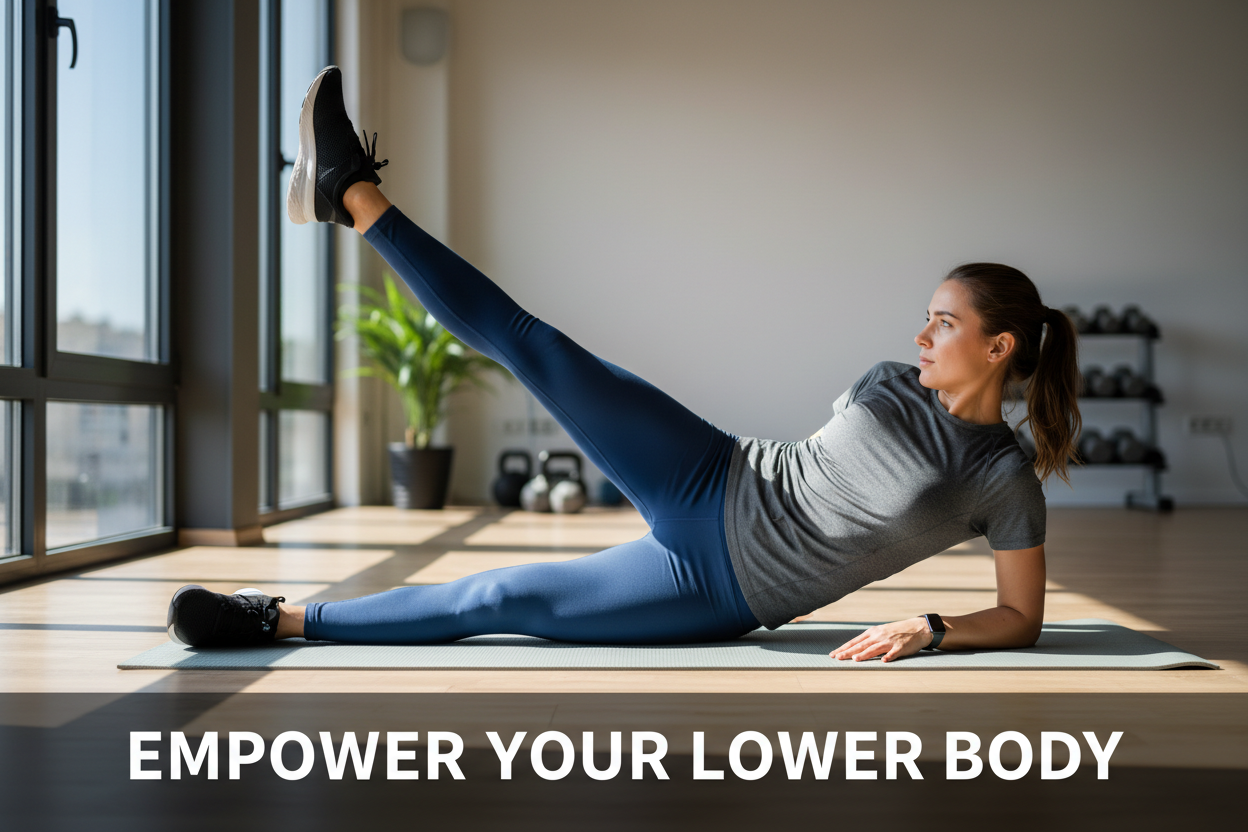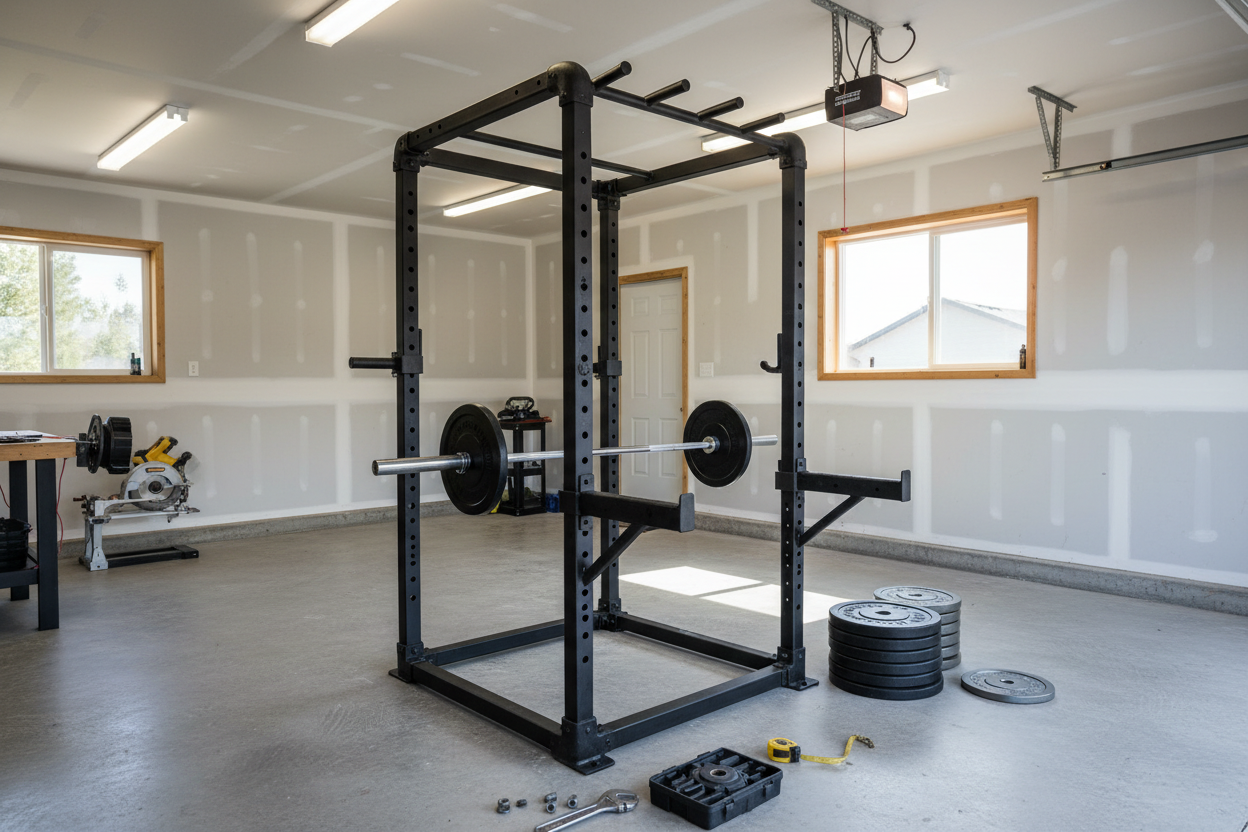
Building a Powerful Lower Body: Your Complete Guide to Leg Day at the Gym
Walking into the gym on leg day can feel like a daunting task. The squat racks are heavy, the machines are intimidating, and the sheer effort required is significant. Yet, a well-structured leg workout is arguably the most rewarding session you can have. It builds a foundation of strength, boosts metabolism, and enhances overall athleticism. The best workout for legs isn't about a single magic exercise; it's a balanced, progressive approach that challenges every major muscle group from your glutes down to your calves.
Creating an effective leg workout routine for the gym requires understanding the anatomy you're targeting. Your quads on the front of your thighs, the hamstrings on the back, the glutes, and the calves all need specific attention. A common mistake is focusing too heavily on one area, like doing endless quad extensions while neglecting the posterior chain. A balanced leg workout incorporates movements that push, pull, and stabilize.
The Core of Your Leg Day
Any serious leg training gym program should be built around compound lifts. These multi-joint exercises recruit the most muscle mass and stimulate the greatest hormonal response, which is crucial for growth and strength. The barbell back squat is often considered the king of leg day exercises. It demands coordination, core stability, and raw power, working your quads, glutes, and hamstrings simultaneously. Following squats, the Romanian deadlift is a non-negotiable for hammering the hamstrings and glutes. It teaches the hip hinge pattern and builds strength that protects your lower back.
For a complete leg workout, you need to address movement in different planes. While squats and deadlifts are fantastic, adding a lunge variation—whether walking, reverse, or Bulgarian split squats—introduces unilateral training. This helps correct imbalances, improves stability, and ensures one side isn't compensating for the other. I've found that incorporating Bulgarian split squats, though humbling, has done more for my single-leg stability and glute development than almost any other exercise on leg day.
Building Your Gym Leg Routine
A sustainable leg workout regimen balances heavy compound lifts with targeted accessory work. You don't need to do every exercise every session. A proven method is to split your focus across two weekly sessions. One day can be squat-focused, heavy and intense. The other can prioritize the posterior chain with deadlift variations and higher-rep hypertrophy work. This frequency allows for adequate recovery while providing enough stimulus for growth.
Here’s an example of a comprehensive leg workout routine for the gym that you can adapt. Start with a dynamic warm-up: leg swings, bodyweight squats, and lunges to get blood flowing. Then move into your main work. For a squat-focused leg day, begin with barbell back squats for 4 sets of 6-8 reps. Follow this with Romanian deadlifts for 3 sets of 8-10 reps to target the hamstrings. Then, move to leg presses for 3 sets of 10-12 reps to add volume. Finish with isolation work: leg extensions for quads (3x12-15), lying leg curls for hamstrings (3x12-15), and standing calf raises (4x15-20).
Progression is the key to results. Simply showing up and going through the motions isn't enough. Your leg exercise plan should have a method for getting stronger. This could mean adding a small amount of weight to the bar each week, performing an extra rep, or reducing your rest time between sets. Tracking your workouts in a notes app or a dedicated journal turns your gym leg workout from a random collection of exercises into a purposeful training program.
Beyond the Squat Rack
While free weights form the foundation, machines have their place in a total leg workout. They allow you to safely push to failure on isolation movements or add volume when you're too fatigued to safely handle a barbell. The leg extension and leg curl machines are excellent for finishing off the quads and hamstrings, respectively. The hip abduction and adduction machines, often overlooked, play a vital role in hip health and creating a balanced, athletic physique.
Recovery is part of the workout. The muscle damage from a hard leg day is significant, and growth happens during the repair process. Prioritize sleep, nutrition, and hydration. Consider incorporating light walking or mobility work on the days following your leg workout to promote blood flow and reduce stiffness. Listening to your body is crucial; if you're still painfully sore from your previous session, it might be wise to postpone heavy lifting and focus on active recovery instead.
Common Pitfalls and How to Avoid Them
Many people undermine their own progress with a few consistent errors. Skipping the warm-up is a fast track to injury and limits performance. Ego lifting, or using weight so heavy that form breaks down, shifts stress away from the target muscles and onto joints and connective tissue. Conversely, using weight that's too light for too long provides no new stimulus for adaptation. Finally, neglecting the full range of motion—like squatting only halfway down—robs your muscles of a significant portion of the growth stimulus. Depth with control should always be prioritized over weight on the bar.
Building strong, powerful legs is a marathon, not a sprint. Consistency with a well-designed leg workout regimen, paired with patience and attention to recovery, will yield transformative results. The feeling of walking out of the gym after a brutal but productive leg day is unmatched—a mix of accomplishment and anticipation for the strength you're building.
Frequently Asked Questions
How often should I train legs?
Most lifters see excellent results training legs 1-2 times per week. This allows for the intensity needed to stimulate growth while providing ample recovery time. If you split your sessions (e.g., one quad-focused, one hamstring/glute-focused), you might train twice weekly. Listen to your body; if you're constantly sore and not recovering, reduce frequency.
What if I can't squat due to pain or mobility issues?
The barbell squat is a tool, not a religion. A great leg workout at the gym can be built without it. Focus on alternatives like leg presses, hack squats, belt squats, or heavy dumbbell lunges. The goal is to effectively load the leg muscles, and there are multiple paths to achieve that.
How long should a leg workout take?
A focused, efficient leg workout routine in the gym typically takes 60 to 75 minutes. This includes a 10-minute warm-up, 45-55 minutes of main lifting, and a brief cool-down. Spending much longer often leads to diminished returns due to fatigue and declining workout quality.