Build Your Strongest Lower Body: The Ultimate Glute Day Blueprint
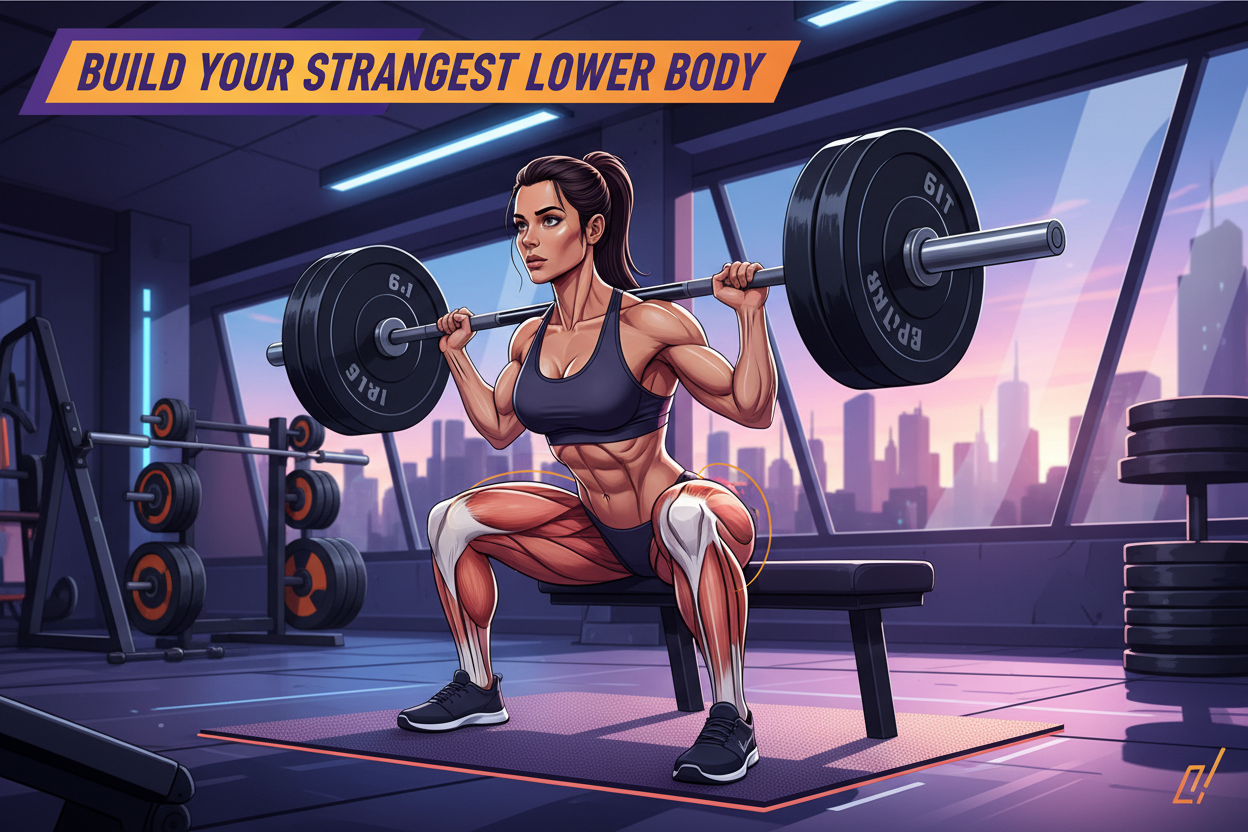
Building a powerful, sculpted posterior chain requires more than just endless squats. Many lifters spend hours in the rack only to see their quadriceps grow while their glutes remain stagnant. To see real changes, you need a strategy that targets all three gluteal muscles—the maximus, medius, and minimus—through specific movement patterns. This article outlines a science-backed approach to structuring your training for maximum hypertrophy and strength.
Why Your Current Leg Day Might Be Failing Your Glutes
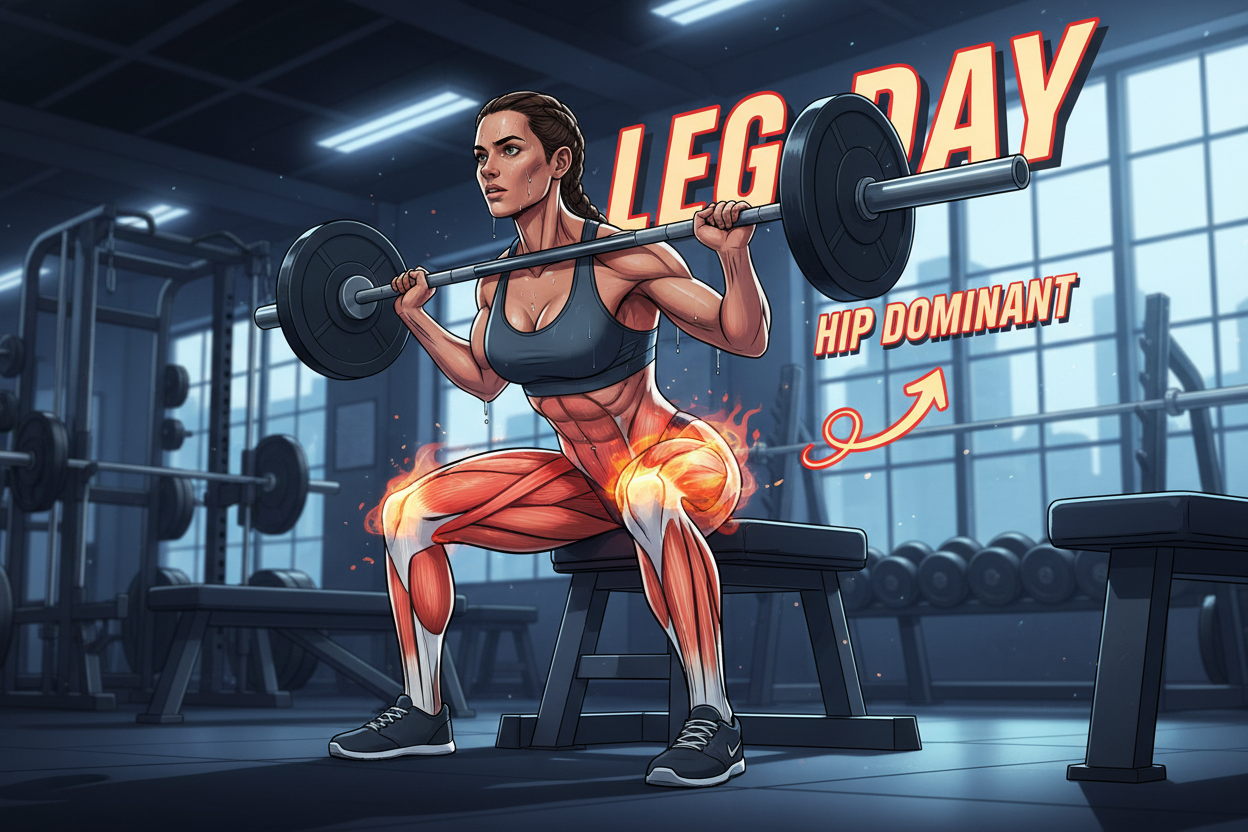
Most general leg workouts are quad-dominant by nature. Exercises like leg presses, hack squats, and even conventional back squats often recruit the quadriceps as the primary mover, especially if your hip mobility is limited or your stance is narrow. A dedicated glute day workout shifts the focus. It prioritizes hip extension, abduction, and external rotation.
I remember hitting a frustrating plateau a few years into my lifting journey. I was moving decent weight on the squat, yet my physique didn't reflect the effort, and I suffered from nagging lower back pain. It turned out my glutes were asleep at the wheel. My quads and lower back were taking the load. Once I shifted to a specialized gym routine for glutes involving heavy hip thrusts and unilateral work, the back pain vanished, and the muscle development finally caught up. It wasn't about working harder; it was about fixing the activation and exercise selection.
Anatomy of a Complete Glute Workout
To construct a complete glute workout, you cannot rely on one angle. You must hit the muscles from different positions based on the muscle length tension relationship. A solid session should include:
- Shortened Position: Exercises where the muscle is fully contracted at the peak (e.g., Hip Thrusts).
- Lengthened Position: Exercises where the muscle is under tension while stretched (e.g., Romanian Deadlifts).
- Unilateral Movement: Single-leg work to fix imbalances (e.g., Bulgarian Split Squats).
- Abduction/Isolation: Movements that target the upper shelf and side glutes (e.g., Cable Abductions).
The Blueprint: Your Gym Glute Workout Routine
This routine is designed for a gym setting where you have access to barbells, cables, and dumbbells. Aim to perform this session once or twice a week, allowing at least two days of rest between sessions.
1. The Warm-Up and Activation
Walking on the treadmill isn't enough. You need to wake up the neuromuscular connection. Spend 5 minutes doing banded monster walks, bodyweight glute bridges, and dynamic hip flexor stretches. If you can't feel your glutes contracting without weight, you won't feel them with 200 pounds on the bar.
2. The Compound Lifts (Heavy Hitters)
Start your glute day routine with the heaviest compound lift while your energy levels are high. The Barbell Hip Thrust is the gold standard here. Unlike squats, the hip thrust maintains tension on the glutes at full extension.
Set up a bench that hits just below your shoulder blades. Roll the barbell over your hips (use a pad to avoid bruising). Drive through your heels, keeping your chin tucked and ribs down. Pause at the top for a hard one-second squeeze. Aim for 3 to 4 sets of 8–10 reps. This is the cornerstone of any effective workout routine for glutes.
3. The Stretch Movement
After the heavy thrusts, move to Romanian Deadlifts (RDLs). This targets the glutes in the lengthened position. Keep a slight bend in your knees, but do not turn it into a squat. Push your hips back as if you are trying to close a car door behind you with your glutes. Lower the bar only as far as your hamstring flexibility allows without rounding your back. Focus on the stretch. Perform 3 sets of 10–12 reps.
4. Unilateral Stability Work
Imbalances are the enemy of progress. The Bulgarian Split Squat is notoriously difficult but essential for a gym glute workout routine. Place one foot on a bench behind you. As you lower yourself, lean your torso slightly forward. This forward lean shifts the bias from the quads to the glutes. Drive back up through the front heel. Do 3 sets of 10 reps per leg. If balance is an issue, you can substitute this with reverse lunges.
5. Isolation and Metabolic Stress
Finish the session with high-repetition isolation work to drive blood into the muscle (the "pump"). 45-degree Hyperextensions are excellent here. Round your upper back slightly to shut off the erectors and pull yourself up using only your glutes. Alternatively, use a cable machine for glute kickbacks. Keep your leg straight and kick back at a slight angle. This provides the finishing touch to a glute workout routine gym session. perform 3 sets of 15–20 reps with short rest periods.
Frequency and Progressive Overload
Executing this glutes day perfectly once won't change your physique. Consistency and progressive overload are the drivers of growth. Log your weights every session. If you hip thrusted 135lbs for 10 reps last week, aim for 12 reps this week, or increase the weight to 140lbs. Without this increased demand, the body has no reason to adapt.
If you are splitting your training into upper/lower days, this routine fits perfectly as a "Lower Body A" day. You can have a second lower body day later in the week that focuses more on quads (squats, leg extensions) while still getting some secondary glute stimulation.
Common Mistakes to Avoid
The most frequent error in a gym routine for glutes is ego lifting. If you arch your lower back excessively during a kickback or hip thrust, you are transferring the load to your lumbar spine. This not only kills your gains but invites injury. Keep your core braced and your pelvis neutral. Another mistake is rushing the tempo. Glutes respond well to time under tension. Control the eccentric (lowering) phase of every rep for at least two seconds.
Nutrition also plays a massive role. You cannot build tissue in a severe calorie deficit. Ensure you are consuming enough protein to support repair and recovery after heavy training. Sleep and hydration are equally vital components of the equation.
Frequently Asked Questions
How often should I train my glutes?
For most intermediate lifters, training glutes 2 to 3 times per week is optimal. This frequency allows for sufficient volume to stimulate growth while providing enough recovery time between sessions to prevent overtraining.
Can I grow my glutes without heavy weights?
While you can improve muscle tone with bodyweight exercises, significant hypertrophy (muscle growth) generally requires mechanical tension provided by external resistance. To see substantial changes in size and strength, progressive overload with weights is necessary.
Why do I feel my lower back taking over during glute exercises?
This usually indicates a weak core or poor pelvic positioning (anterior pelvic tilt). Focus on bracing your abs, tucking your chin, and reducing the weight until you can maintain a neutral spine and properly engage the glutes.