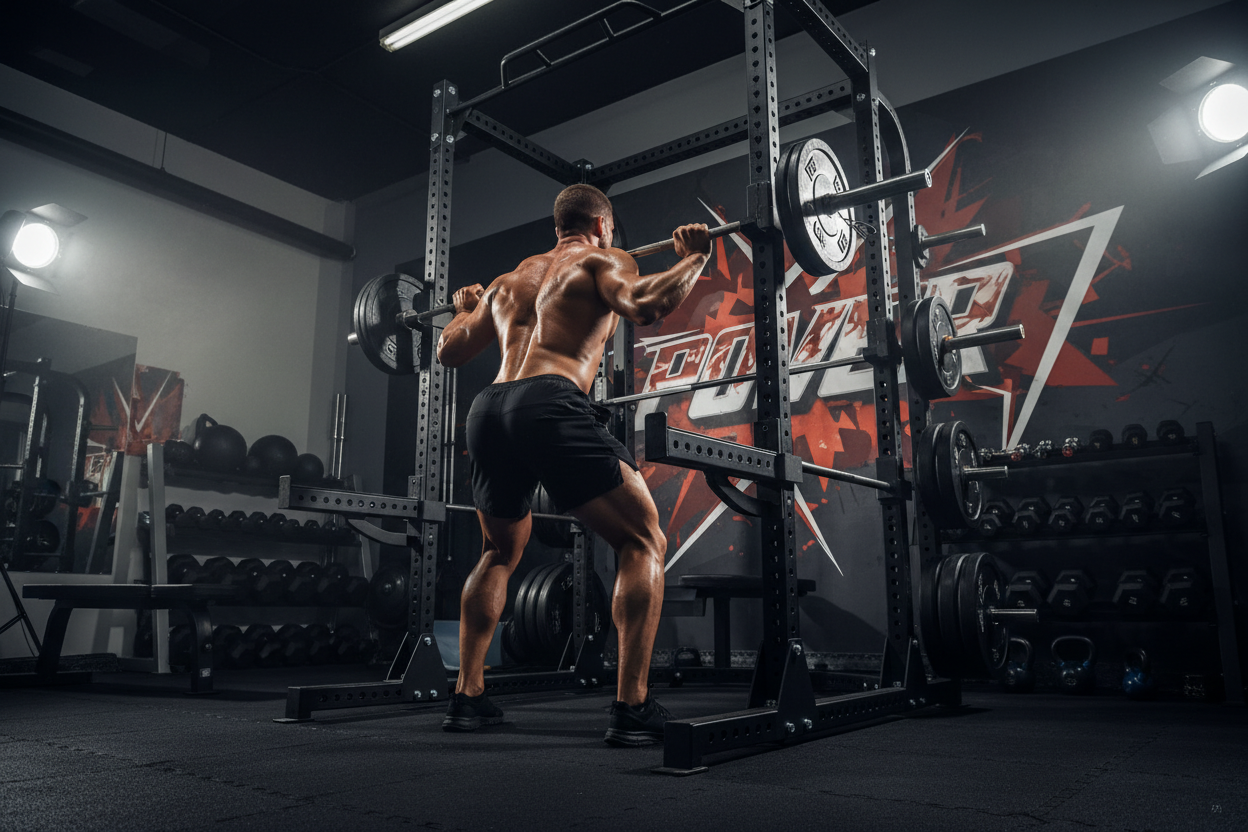
Build Shoulders Fast: The Heavy-Volume Strategy for 3D Delts
You are likely pressing heavy, eating right, and staying consistent, yet your t-shirts still hang flat off your frame. It is a frustrating reality for many lifters: the deltoids are stubborn. If you want to build shoulders fast, you need to stop treating them like a secondary muscle group that only gets attention after chest day.
The honest truth is that most generic programs fail to provide the necessary volume and frequency required for the deltoids to pop. To get that capped, 3D look, we need to shift from simple strength maintenance to aggressive hypertrophy tactics.
Key Takeaways: The Blueprint for Speed
- Frequency is King: Train shoulders twice a week minimum to spike muscle protein synthesis.
- Volume Over Ego: The side delts respond better to high reps (15-20 range) and metabolic stress than low-rep heavy lifting.
- The 3-Head Approach: You cannot build width without targeting the lateral head; you cannot build thickness without the rear head.
- Control the Eccentric: Slowing down the lowering phase recruits more muscle fibers than explosive pressing alone.
Understanding the Anatomy for Maximum Growth
Before you pick up a dumbbell, you must understand what you are targeting. Many people ask how to build my shoulders effectively, but they end up doing endless front raises. This is a mistake.
Your shoulder consists of three distinct heads:
- Anterior (Front): Heavily worked during bench press and push-ups. Usually overdeveloped.
- Lateral (Side): The most critical head for visual width. This creates the V-taper.
- Posterior (Rear): Essential for posture and the "3D" look from the side.
The "Shoulder Line Workout" Concept
To create a broad physique, you need to focus on a shoulder line workout. This refers to exercises that extend the visual line of the clavicle. If you only do overhead presses, you build thickness, but not necessarily width. To widen the line, lateral raises are non-negotiable.
The Compound Foundation: Overhead Pressing
While isolation is key for width, heavy compound movements are the engine of growth. The Standing Overhead Press (Barbell or Dumbbell) should be your primary lift.
The Science: Standing presses require core stabilization and engage the entire shoulder girdle. This systemic stress triggers a greater hormonal response than seated machine presses. However, do not lock out your elbows completely at the top. Keeping a slight bend maintains tension on the deltoid rather than shifting the load to your triceps and joints.
High-Volume Isolation: The Secret to Speed
Here is where most people fail. The lateral deltoid is a pennate muscle with a complex fiber arrangement. It is incredibly resistant to fatigue. Doing 3 sets of 10 reps is rarely enough.
To force growth, you need metabolic stress. Try drop sets or "running the rack." Start with a weight you can do for 15 reps, drop 5lbs, do another 15, and repeat until you are using the lightest dumbbells in the gym. The burning sensation is lactate accumulation, which correlates with growth hormone release.
Common Mistakes That Kill Gains
1. Using Too Much Momentum
If you have to swing your hips to get the weight up on a lateral raise, the weight is too heavy. You are using your lower back, not your shoulders. Drop the ego, drop the weight, and control the movement.
2. Ignoring the Rear Delt
Weak rear delts lead to a hunched posture, making your shoulders look smaller. Incorporate face pulls or reverse flyes into every upper body session. Think of these as structural maintenance that also adds mass.
My Training Log: Real Talk
I want to share a specific realization from my own training when I was trying to fix my lagging delts. On paper, the program looked perfect: Overhead Press 5x5, Lateral Raises 3x12. But nothing was happening.
The game-changer wasn't a new exercise; it was the pain tolerance. I remember specifically doing seated dumbbell lateral raises. I used to stop when the burn started. But I realized that for shoulders, the set actually starts when the burn becomes unbearable. I recall the specific feeling of the dumbbell knurling digging into my palm—my grip was failing before my shoulders were done. I had to start using lifting straps for 20-pound dumbbells, which looked ridiculous, but it allowed me to push the side delts to absolute failure without my forearms giving out first. That specific, gritty burn deep under the acromion—where you physically cannot lift your arm to wash your hair in the shower afterward—that is the indicator of a session that actually works.
Conclusion
Building massive shoulders quickly requires a blend of heavy, structural pressing and painful, high-volume isolation work. Stop swinging heavy weights and start chasing the pump with strict form. Prioritize the side and rear delts, and the width will follow.
Frequently Asked Questions
How often should I train shoulders to see fast results?
For accelerated growth, train deltoids twice a week. Ensure there are at least 48 hours of rest between sessions to allow for recovery. A common split is training them once with chest and once on a dedicated day or with legs.
Are heavy weights or light weights better for shoulders?
You need both. Use heavy weights (low reps) for overhead pressing to build strength and mechanical tension. Use lighter weights (high reps, 15-25) for lateral and rear delt raises to maximize metabolic stress and pump without risking injury to the rotator cuff.
Can I build shoulders at home without a barbell?
Absolutely. Dumbbells are actually superior for isolation. If you don't have heavy weights, utilize tempo training (3 seconds up, 3 seconds down) or reduce rest times to 30 seconds to increase the intensity without needing heavier loads.