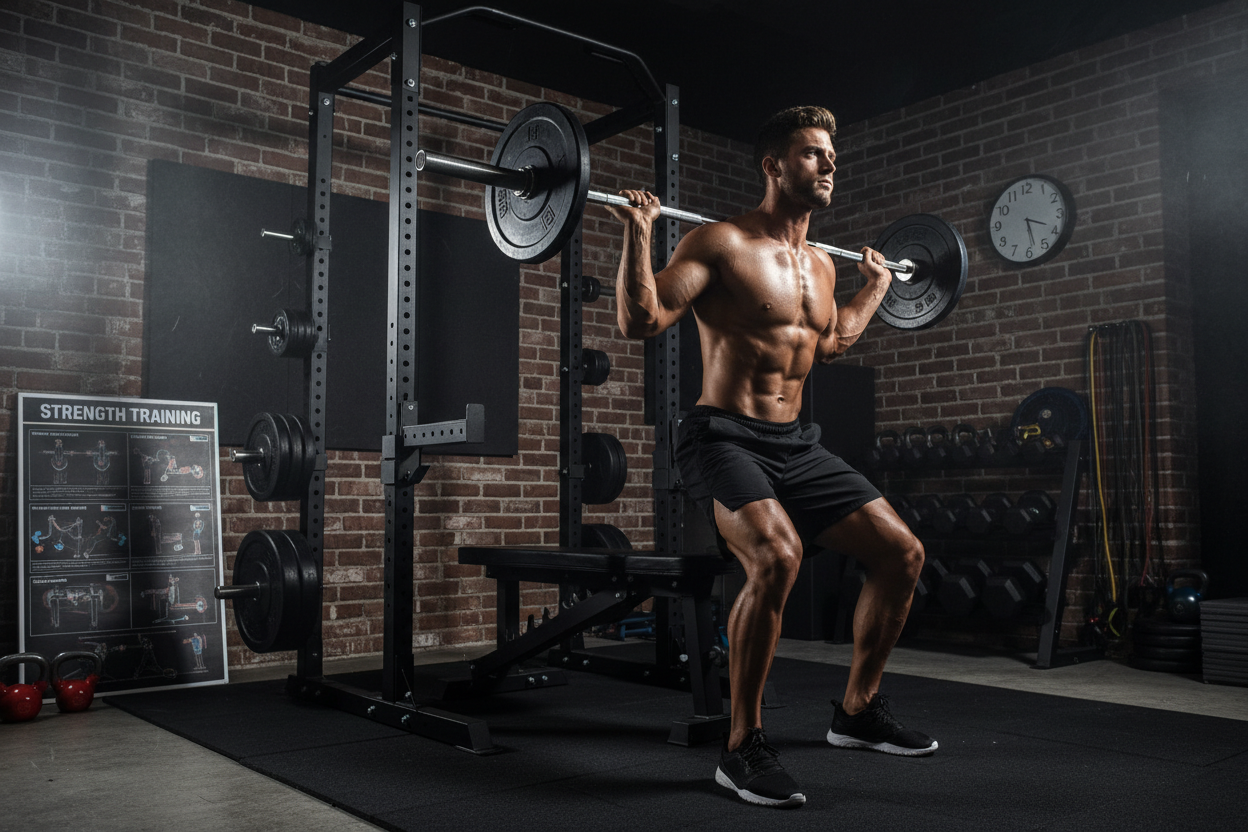
Build a Full Home Gym With Just a Bench Squat Machine
Setting up a home gym usually hits a hard wall: lack of floor space. You want to lift heavy, but fitting a power rack, a separate flat bench, and a spot for deadlifts into a single garage bay or spare bedroom feels impossible. That is exactly where the **bench squat machine** enters the conversation.
This isn't just about saving money; it's about engineering a workout flow that fits your life. Whether you are a novice lifter or looking to downsize a cluttered setup, understanding the mechanics of this hybrid equipment is crucial before you drop the cash.
Key Takeaways: Is This Setup Right for You?
- Space Efficiency: Combines two massive footprints into one, saving roughly 40-50% of floor space compared to separate units.
- Cost Effectiveness: A high-quality bench press and squat machine combo typically costs less than buying a commercial grade rack and bench separately.
- Transition Speed: The best models allow you to switch from horizontal pressing to vertical squatting in under 30 seconds.
- Stability Check: Combo units are generally lighter than full cages; bolt-down options are preferred for heavy lifters.
Understanding the "Combo" Rack Appeal
In the golden era of bodybuilding, you didn't see massive six-post power racks in every basement. You saw the classic bench press squat machine. This piece of equipment features independent or telescoping uprights that can be raised for squats or lowered for bench pressing.
The primary draw here is utility. You aren't sacrificing the big three lifts (squat, bench, deadlift). You are simply condensing the station where they happen. However, not all combo racks are built the same. The engineering challenge is creating a base that is wide enough to squat in comfortably without interfering with your grip during a bench press.
The Stability Factor
Here is the science of the structure: A full power cage has four points of contact spread over a large surface area, often connected by crossmembers at the top. A bench squat machine usually relies on a U-shaped base or two independent stands.
Because there is no top crossmember connecting the uprights on many models, lateral stability can be an issue if you are racking over 300 lbs. When shopping, look for a unit with a heavy-gauge steel connecting bar at the base. This prevents the uprights from bowing outward when you drop a heavy bar onto the catchers.
Setting Up for the Bench Press
When using this as a bench press and squat machine, the bench is usually detachable. This is a massive advantage over fixed units. It allows you to pull the bench out entirely to do deadlifts, rows, or military presses within the rack.
However, alignment is critical. Since the uprights are fixed, you must ensure your bench is perfectly centered every time you slide it back in. I recommend using tape on your floor to mark the exact position for the bench feet. This ensures you don't unrack the bar unevenly, which can lead to shoulder strain.
Common Mistakes to Avoid
The biggest error I see lifters make is ignoring the weight capacity of the "J-cups" or bar catchers. On cheaper units, these are often just bent steel rods welded to the uprights.
If you plan on progressing in strength, look for a unit that uses solid steel pins or adjustable safety spotter arms. Safety arms are non-negotiable if you train alone. If you fail a rep on a bench squat machine without spotter arms, you have no bail-out option other than the "roll of shame."
My Training Log: Real Talk
I spent about eight months training exclusively on a telescoping bench squat combo unit in a cramped basement apartment. I want to be honest about the experience because the product photos don't tell the whole story.
The first thing I noticed wasn't the space-saving—it was the wobble. When I had 275 lbs on the bar for squats, racking the weight caused the uprights to shudder. It’s a distinct, unnerving vibration that travels down the steel. It didn't feel unsafe, but it definitely didn't feel like a commercial gym.
Another specific detail most reviews miss is the "pinch point" anxiety. Adjusting the height between bench and squat mode involved pulling a spring-loaded pop-pin and sliding the chrome inner tube up. Over time, the chrome got scratched and sticky, making the adjustment jerky. I pinched the webbing of my thumb more than once trying to wrestle the uprights into position for squats. If you get one, grease the telescoping tubes immediately. It changes everything.
Final Verdict
Is a bench squat machine a perfect replacement for a full power rack? No. But for 90% of home gym owners, it is the most logical choice. It allows you to perform the most effective compound movements without turning your garage into an obstacle course.
Frequently Asked Questions
Can you actually squat heavy on a combo machine?
Yes, but check the weight rating. High-quality combo machines are rated for 500+ lbs. However, due to the lack of a top crossmember, you may experience more vibration when racking the bar compared to a power cage.
Is a bench squat machine safe for solo training?
It is safe only if the unit includes adjustable safety spotter arms. Never bench press or squat alone on a machine that lacks safety catches to stop the bar if you fail a lift.
How much space do I need for a bench squat setup?
You typically need an area of about 7 feet by 5 feet. This accounts for the width of the Olympic bar (7 feet) and enough depth to move the bench in and out of the rack.