Body Power Rack: Is It Actually Worth the Investment?
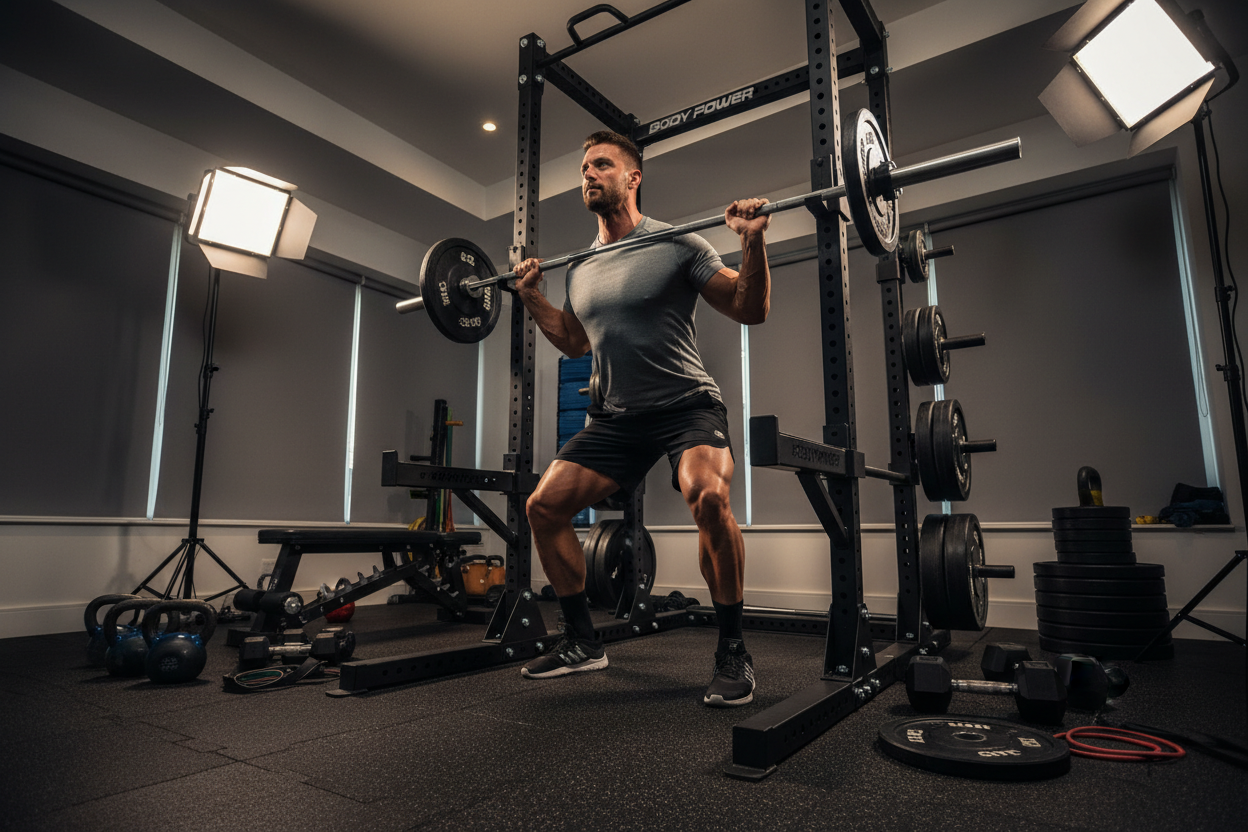
If you have hit a plateau in your home workouts, the culprit might not be your programming—it might be your equipment. There comes a time when standard squat stands and a basic bench just do not cut it anymore, especially when you are pushing heavier weight alone. Enter the body power rack. It is the centerpiece of a serious home gym, offering the safety and versatility needed to lift heavy without a spotter.
But with so many models on the market, from basic cages to fully loaded multi-station setups, how do you know which one actually fits your space and lifting style? In this guide, we break down everything you need to know before pulling the trigger on a new rack, from space requirements to real-world durability.
Key Takeaways
- Safety First: Heavy-duty safety catches allow for confident solo lifting without the need for a spotter.
- Space Requirements: Most standard cages require a minimum 6x6 foot footprint and 84 inches of ceiling clearance.
- Versatility: Built-in features like pull-up bars and dip stations eliminate the need for extra freestanding equipment.
- Cost-to-Value: Offers commercial-style training at a fraction of the cost of premium boutique brands.
Decoding the Lineup: Finding Your Perfect Fit
The Deluxe Cage vs. Standard Models
When comparing options, you will quickly notice a divide between bare-bones setups and comprehensive systems. A body power deluxe rack cage often includes integrated weight storage, lat pulldown attachments, and multi-grip pull-up bars. If you want an all-in-one solution, the body champ deluxe power rack cage system is a popular choice that maximizes utility per square foot, making it ideal for garage gyms where space is at a premium.
Squat Racks and Half Racks
Not everyone has the floor space for a full cage. If you are training in a tight apartment corner or a shared basement, a bodypower squat rack or a standard bodypower rack might be a smarter play. These half-rack designs give you the essential J-hooks and spotter arms for heavy compounds without the massive footprint. You can even pair them with accessories like the body flex sports body power freestanding pull-up handles to regain some of the functionality lost by skipping the full enclosed cage.
Space Planning for North American Home Gyms
Garage and Basement Clearances
The number one mistake home gym owners make is ignoring vertical clearance. While a classic bodysmith power rack or its modern equivalents might fit perfectly on your rubber floor mats, you need to account for the space above the rack. If you plan on doing overhead presses or muscle-ups, ensure you have at least 12 to 18 inches of clearance between the top of the pull-up bar and your ceiling. Standard 8-foot basement ceilings can feel surprisingly cramped once you load plates onto a barbell inside the rack.
Durability and Training Application
Built for the Long Haul
Whether you are looking at a vintage bodysmith squat rack or a brand new Body Power model, construction matters. Look for 12-to-14 gauge steel frames. This thickness provides the rigidity needed to handle heavy loads without swaying. For training, these racks are invaluable. You can seamlessly transition from heavy rack pulls to incline bench presses, utilizing the adjustable safety bars to push closer to failure safely.
From Our Gym: Honest Take
We have had a Body Power cage in our testing facility for over a year, and it has seen daily abuse from multiple lifters. The standout feature for me is the multi-grip pull-up bar. The knurling on the angled grips is aggressive enough to hold chalk well without tearing up my hands during weighted pull-ups.
However, I want to be completely transparent: the hole spacing on the uprights is standard 2-inch spacing, not the 1-inch Westside spacing you find on premium powerlifting racks. As a 5-foot-9 lifter, I occasionally found myself wishing for a half-step adjustment on my bench press liftoff height. Additionally, the powder coating on the safety catches started showing metal-on-metal wear after about three months of heavy rack pulls. It is purely cosmetic, but worth noting if you want your gym equipment to stay looking pristine.
Frequently Asked Questions
Is a body power rack worth it for a beginner?
Absolutely. A power rack is arguably the safest way for a beginner to learn barbell movements like squats and bench presses. The safety catches allow you to fail a rep safely, which builds confidence and accelerates strength gains.
How much ceiling clearance do I need?
Most full cages stand between 82 and 85 inches tall. You will need an absolute minimum of 84 inches just to assemble it, but we recommend 96 inches (8 feet) to comfortably perform pull-ups without hitting your head.
Do I need to bolt the rack to the floor?
While many home gym racks are designed to be freestanding and stable under normal loads, bolting them down is always recommended if you plan on doing dynamic movements like kipping pull-ups or heavy band work.