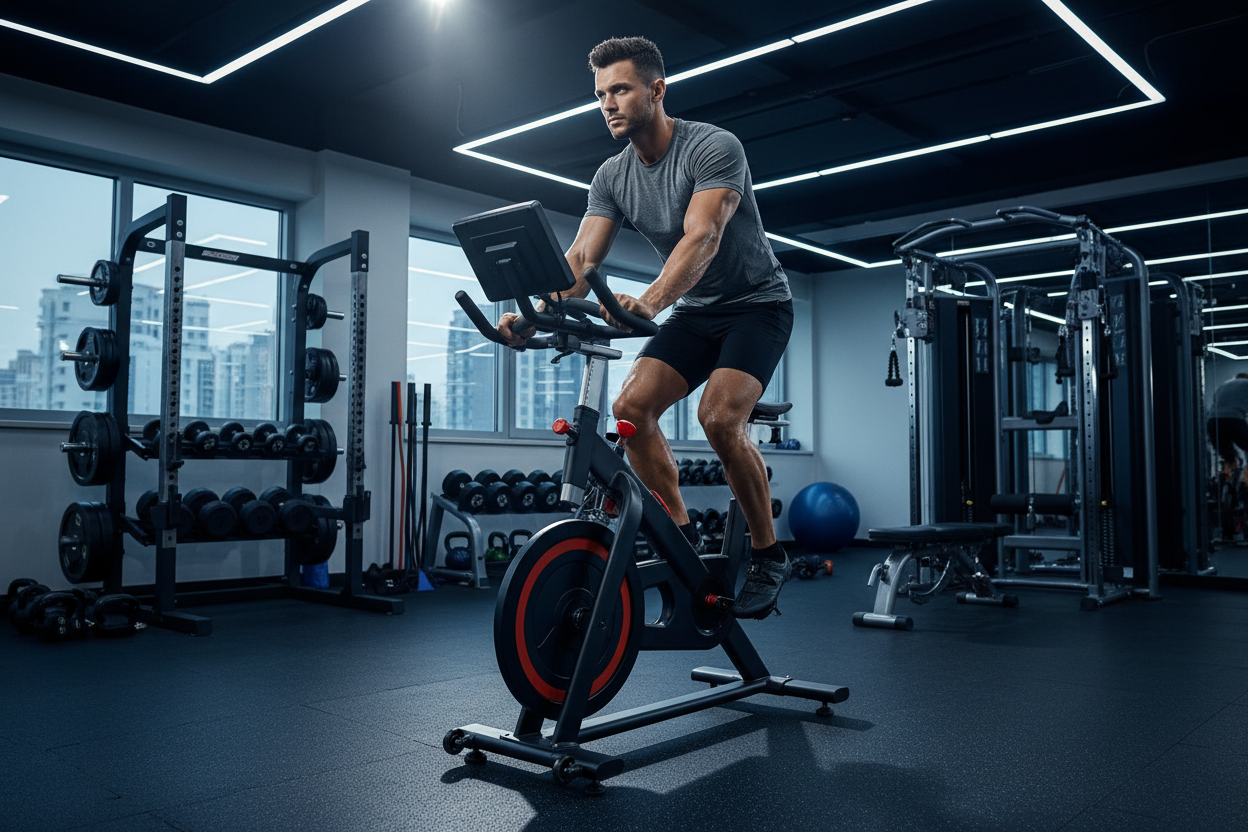
Bicycle Stationary Exercise: Is It Actually Worth the Space?
Finding the motivation to hit the pavement when it is freezing outside or pouring rain is an undeniable struggle. For many of us, bringing cardio indoors is the only way to stay consistent and protect our joints from the relentless pounding of the treadmill. If you are looking to build a reliable aerobic engine without sacrificing your entire garage or basement, a bicycle stationary exercise setup might be your best investment.
In this guide, we will walk through exactly what separates a commercial-grade workhorse from a wobbly clothes hanger, how to optimize your floor plan, and how to get the maximum return on your home cycling sessions.
Key Takeaways
- Space Efficiency: Most units require a mere 2 by 4 foot footprint, making an indoor bike exercise setup perfect for apartments or tight basement gyms.
- Resistance Types: Magnetic resistance provides a whisper-quiet, frictionless ride compared to traditional felt pad friction.
- Drive Systems: Belt drives are the gold standard for a workout stationary bike, requiring virtually zero maintenance compared to older chain drives.
- Adjustability is King: Always look for 4-way seat and handlebar adjustments to dial in your biomechanics and prevent lower back or knee strain.
Decoding the Mechanics: What Actually Matters?
Magnetic vs. Friction Resistance
When you are shopping for a cycling machine exercise platform, the resistance mechanism dictates both the feel and the noise level of your ride. Friction resistance uses a felt pad that presses directly against the flywheel. While budget-friendly, it requires regular lubrication and pad replacements. Magnetic resistance, on the other hand, moves strong magnets closer to or further from the metal flywheel. This creates a completely silent static bicycle exercise experience, which is ideal if you are pedaling while the rest of the house is sleeping.
Flywheel Weight Dynamics
The heart of any gym cycle exercise is the flywheel. A heavier flywheel, typically between 30 and 40 pounds, carries more momentum, simulating the smooth, continuous feel of an outdoor road bike. Lighter flywheels are common in entry-level models and can feel slightly jerky at higher resistance levels. If your goal is intense stationary cycling or out-of-the-saddle sprinting, prioritize a heavier, perimeter-weighted flywheel for maximum stability.
Space Planning for Your Home Gym
Finding the Perfect Corner
One of the biggest advantages of a bicycle machine workout is its highly compact nature. Unlike massive power racks or functional trainers, a training stationary bike easily slides into the corner of a living room or a crowded garage gym. You will generally need a footprint of about 48 inches long by 24 inches wide. However, we recommend leaving at least 24 inches of clearance on either side for safe mounting and dismounting, especially during an exhausting cycling exercise at home.
Maximizing Your Training
Programming Your Rides
Owning the equipment is only half the battle; knowing how to use it ensures it does not become a very expensive coat rack. A workout bike exercise routine can range from low-intensity steady state to brutal high-intensity interval training. Incorporating a static cycle exercise into your weekly split, such as 30 minutes of zone 2 cardio on your active recovery days, can dramatically improve your work capacity for heavy lifting sessions. For a more dynamic bicycle exercise gym feel, try alternating 30-second all-out sprints with 90 seconds of active recovery.
From Our Gym: Honest Take
Over the years, I have tested dozens of units, from premium studio models to bare-bones budget spinners. When I first added a static bike exercise routine to my own garage gym programming, I made the mistake of buying a cheap, chain-driven model with a 15-pound flywheel. It sounded like a lawnmower, and the seat wobbled noticeably during sprints.
Upgrading to a belt-driven, magnetic cycling bike exercise model was an absolute revelation. At 6 foot 2 inches tall, I also learned the hard way that entry-level models often max out on seat height, leaving my knees cramped. The 4-way micro-adjustments on mid-tier models are an absolute must. One pro-tip: the sweat accumulation on a front-flywheel design is intense. Even with a powder-coated frame, I noticed surface rust on the bolts within three months. Always wipe your bike down immediately after riding bike stationary, or invest in a rear-flywheel model if you are a heavy sweater.
Frequently Asked Questions
Is a bicycle indoor exercise routine effective for weight loss?
Absolutely. Combining a consistent cycle bike exercise with a proper diet creates a sustainable caloric deficit. High-intensity interval rides can burn significant calories in just 20 to 30 minutes while keeping joint impact incredibly low.
How much maintenance does a static cycling bike need?
If you choose a belt-driven, magnetic resistance model, maintenance is minimal. Simply wipe down the sweat after each use, check the pedal threads monthly to ensure they are tight, and occasionally inspect the seat post for stability.
Do I need special shoes for my workout stationary bike?
It depends entirely on the pedals. Many home units come with toe cages that accommodate standard athletic shoes, which is perfect for beginners. If you want to maximize power transfer during a vigorous bicycle stationary exercise, upgrading to SPD-compatible pedals and cycling cleats is highly recommended.