Best Workouts to Pair with Chest Day for Balanced Gains
When planning your fitness routine, chest day often becomes a highlight. Many lifters dedicate an entire session to developing the pectoral muscles, but the question remains: what should you pair with chest day to maximize results and maintain a balanced physique? Choosing complementary workouts ensures muscle symmetry, prevents overtraining, and promotes overall strength and stability.
Why Pairing Matters
The human body works as an interconnected system. Focusing only on your chest muscles can lead to strength imbalances, which might cause posture issues or even increase injury risk. Pairing chest exercises with other muscle groups not only balances upper-body strength but also allows certain muscles to recover while others are being worked.
Pairing Chest Day with Triceps
Chest and triceps make a natural combination because many chest exercises already engage the triceps. By following your pressing movements with targeted triceps work, you capitalize on the pre-exhaustion effect. This pairing is efficient and lets you focus on pushing strength. Examples include close-grip bench press, skull crushers, and cable pushdowns.
Chest and Shoulders for Upper-Body Power
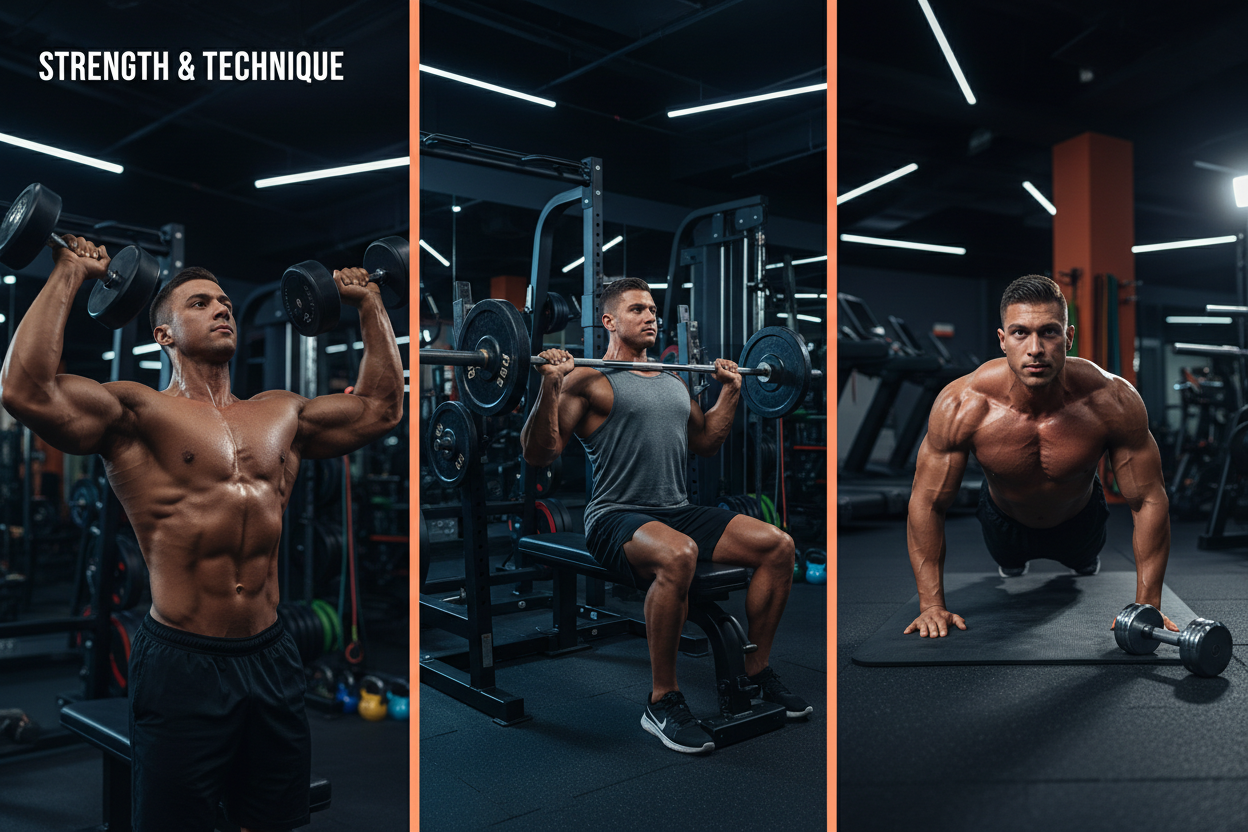
Shoulders are heavily involved in chest training, especially in pressing movements. Pairing shoulders with chest helps improve overall pressing strength and develops a broad, muscular upper torso. However, be careful with exercise order—heavy overhead pressing before bench work might fatigue your shoulders and impact chest performance. Many athletes prefer doing chest first, then shoulder isolation exercises such as lateral raises and reverse flys.
The Chest and Back Combination
Working chest and back on the same day is popular among those aiming for balanced push-pull strength. Back training complements chest by working the antagonistic muscles, reducing muscular imbalances. A workout could include bench presses and dumbbell flies for the chest, followed by pull-ups, rows, or lat pulldowns for the back. This pairing also helps maintain healthy shoulder joints.
Incorporating Core Training
Although not as obvious a pairing, adding core work to chest day can enhance overall performance. A strong core supports stability during pressing movements and helps maintain proper lifting posture. Planks, hanging leg raises, and cable woodchoppers can easily be placed after chest training without interfering with recovery of the primary muscle groups.
Personal Experience with Chest Day Pairings
When I first began lifting, my chest day focused solely on bench presses and push-ups. Over time, I noticed my shoulders felt unstable and my triceps lagged behind. By incorporating triceps extensions and shoulder isolation work into the same day, my pressing strength improved dramatically. I also felt more balanced across my upper body, and my recovery remained manageable since those muscles were already engaged during chest work.
Sample Chest Day Pairing Workout
Here is an example of how you might structure your session:
- Barbell Bench Press – 4 sets of 6-8 reps
- Incline Dumbbell Press – 3 sets of 8-10 reps
- Dumbbell Flys – 3 sets of 10-12 reps
- Overhead Dumbbell Press – 3 sets of 8-10 reps
- Skull Crushers – 3 sets of 10-12 reps
- Plank – 3 sets of 45-60 seconds
Key Tips for Effective Pairing
Make sure your total training volume is manageable. Avoid extreme overload as smaller muscle groups like triceps and shoulders recover more slowly. Prioritize compound lifts early in the workout, and leave isolation exercises for later. Also, allow adequate rest; pairing muscles that complement each other reduces fatigue but doesn’t eliminate the need for recovery days.
Final Thoughts
Pairing chest workouts with triceps, shoulders, or even back can yield more strength, muscle growth, and balance than training chest in isolation. Consider your overall training split and recovery schedule when deciding on the pairing. The right combination will depend on your goals, but maintaining balance and supporting joint health should be a priority in any program.