Best Virtual Workout: How to Choose at Home Programs
Finding the best virtual workout involves far more than picking a popular app or following a random fitness influencer. A successful digital fitness routine bridges thoughtful programming with an inviting, functional workout space. When online workout programs align with your specific fitness goals, training at home becomes just as engaging and productive as traditional gym sessions.
How to Select the Best Online Workout Programs
Today, the market offers a massive variety of online workout programs catering to different workout styles and fitness levels. The best online workout programs do not rely solely on exhausting sweat sessions; they prioritize progressive movement, proper form, and long-term athletic development. When evaluating potential online fitness programs, keep several foundational features in mind:
- Clear Coaching Cues: A quality virtual instructor or fitness coach provides detailed movement guidance, telling you how to engage your core and align your joints rather than merely shouting slogans.
- Program Structure: Look for structured workouts that build over several weeks instead of isolated daily workouts that lack progression.
- Diverse Modalities: Whether you want high intensity interval training, targeted strength training, or low impact workouts, the platform should offer clear tracks for your current conditioning.
- Format Flexibility: Many platforms blend on demand workouts with interactive live classes to balance schedule flexibility with community energy.
Comparing Live Classes and On Demand Workouts
The Energy of Live Classes
Joining scheduled live classes can bring the camaraderie of a boutique fitness studio right into your living room. Instructors often call out milestones, adjust tempos in real time, and cultivate a sense of accountability. If you thrive on communal motivation or struggle to initiate training on your own, scheduled streams offer the structure needed to stay consistent.
The Flexibility of On Demand Classes
For busy schedules, on demand workouts allow you to access workouts whenever your calendar permits. High-caliber fitness apps host extensive libraries where classes range from quick bodyweight sessions to comprehensive forty-five minute strength blocks. This format lets you pause to adjust weights, review complex techniques, or swap an exercise routine to fit how your body feels that day.
Setting Up Your Space for At Home Workouts
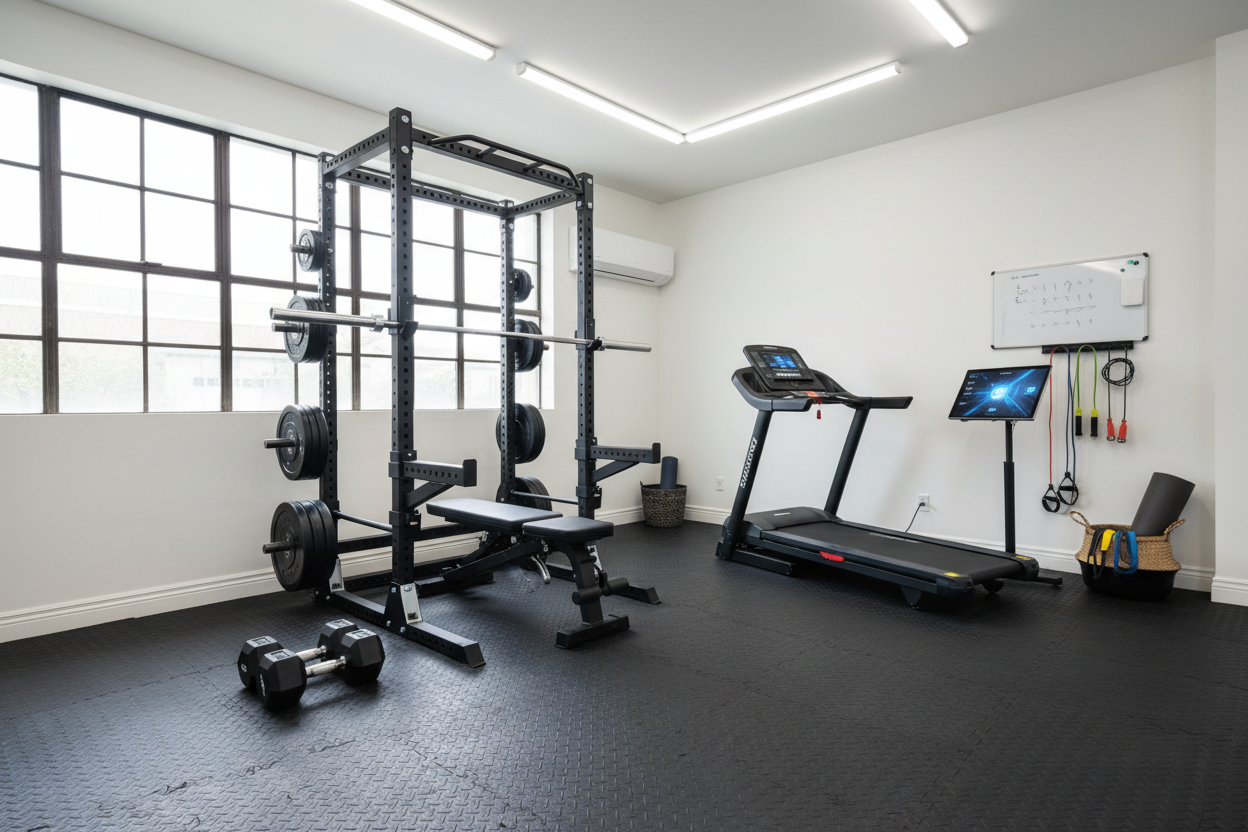
Even the best online workout programs can fall flat if your workout area causes friction. If every session requires shifting heavy furniture or struggling to balance a tiny phone screen, motivation evaporates quickly. Bridging digital guidance and physical performance requires an intentional layout.
Display Placement and Sightlines
Craning your neck to view a screen resting on the floor during lunges or deadlifts puts unnecessary strain on your neck and upper back. Mount a screen or position a tablet on a secure stand at eye level. If your training incorporates mat work or floor core exercises, consider an adjustable mount so your line of sight stays natural whether standing or lying down.
Flooring and Joint Protection
Dynamic movement, jumping intervals, and plyometrics require a supportive foundation. Hard concrete, slick tile, or unpadded carpet can lead to slipping or joint fatigue over time. Investing in a durable large exercise mat establishes a defined workout footprint that absorbs impact, dampens noise, and offers dependable traction underfoot.
Equipment Essentials for Virtual Training
Before committing to an online workout subscription, audit what gear you actually own. Some workout programs assume you have a full rack of dumbbells, resistance bands, and a pilates ball, while others lean exclusively into bodyweight workouts. Reviewing our virtual workout equipment guide can help you decide which tools are truly necessary before overcrowding your home gym.
Targeting Your Fitness Goals with the Right Workout Routine
Every digital training platform offers distinct advantages depending on what you want to achieve on your personal fitness journey.
Building Strength and Muscle Mass
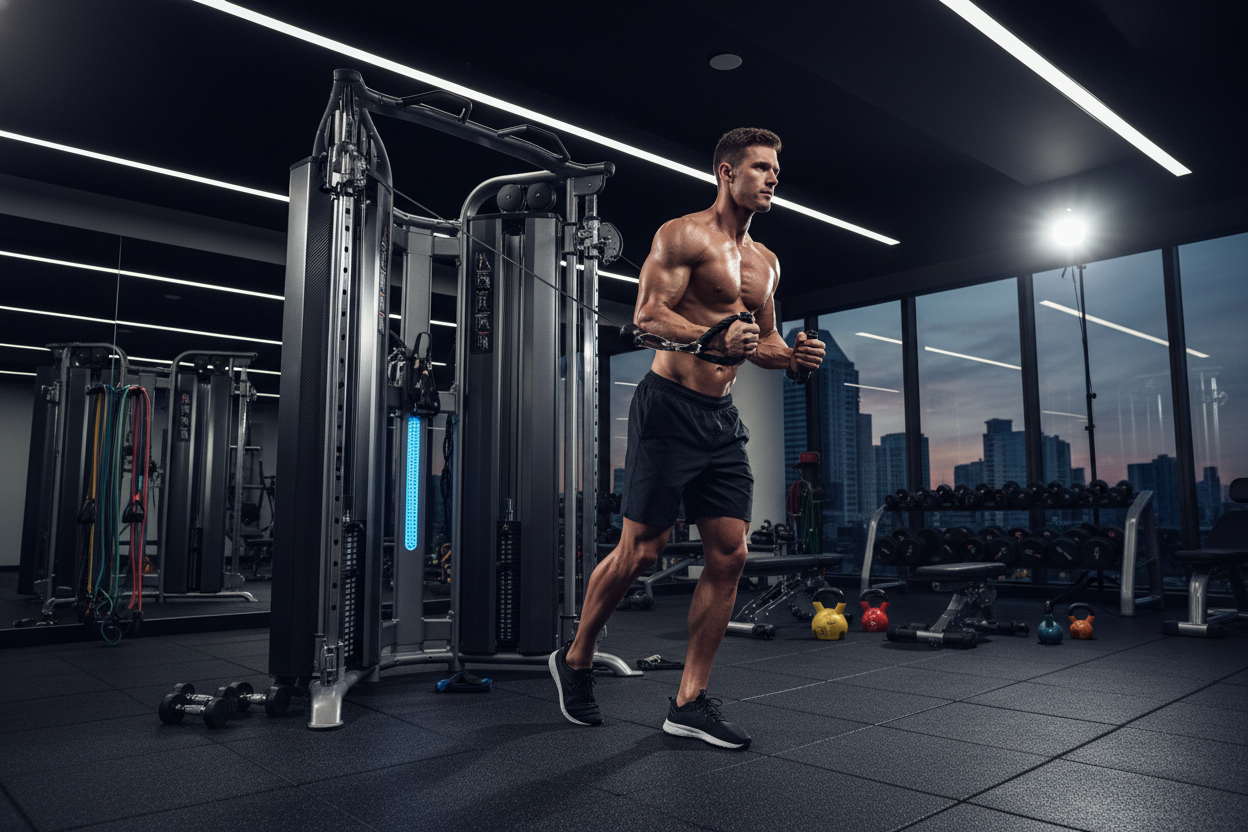
If your aim is to increase muscle mass, look for online fitness programs built around progressive overload. Effective strength training emphasizes controlled tempos, tracked resistance, and structured rest intervals rather than nonstop cardio. Many participants complement app programming with focused sessions, such as a standing lower body strength session, to build foundational strength without unnecessary complexity.
Cardio Workouts and Conditioning
For those looking to build endurance or lose weight, platforms featuring high intensity interval training, kettlebell complexes, and tempo cardio workouts keep heart rates elevated while preserving lean tissue. Blending athletic intervals with low impact workouts like mobility flows helps sustain intensity throughout the week without overloading your joints.
How to Test Fitness Apps with a Free Trial
Most fitness apps provide a free trial period, making it easy to test an online workout before committing financially. Take full advantage of this window to evaluate whether the coaching style matches your preferences:
- Test Navigation: Check how easy it is to filter classes by duration, equipment, or fitness levels.
- Evaluate Audio Mixing: Ensure instructor cues are easy to understand over background music.
- Assess Coaching Style: Compare accessible apps like Nike Training Club or boutique subscription programs to see whether you prefer calm, technical instruction or high-energy encouragement.
- Review Membership Terms: Note when the free trial converts to paid billing so you can make an informed decision without unexpected charges.
In my own workout space, I found that mounting a small monitor at eye level made following dynamic movements far more comfortable than craning over a smartphone.
Frequently Asked Questions About Virtual Workouts
What is the 3-3-3 rule for a workout routine?
The 3-3-3 approach is a popular scheduling method where you complete three strength workouts, three cardiovascular sessions, and three mobility or recovery routines across a training cycle. It helps balance intensity and active recovery so you avoid burnout.
Do 20 minute workouts really work?
Yes. Short, focused sessions can be remarkably productive when intensity is properly matched to the timeframe. A concentrated 20-minute bodyweight or dumbbell circuit promotes functional endurance and consistency, especially on days when longer gym sessions are impractical.
How do virtual workouts compare to a personal trainer?
An in-person personal trainer or one-on-one personal training offers hands-on form corrections and real-time adjustments tailored entirely to you. However, high-quality online exercise classes and structured digital workout programs deliver expert coaching, progressive schedules, and immense convenience at a fraction of the cost.
For additional movement ideas, equipment layouts, and programming inspiration, browse our interactive workout hub to keep your at-home routine engaging and effective.