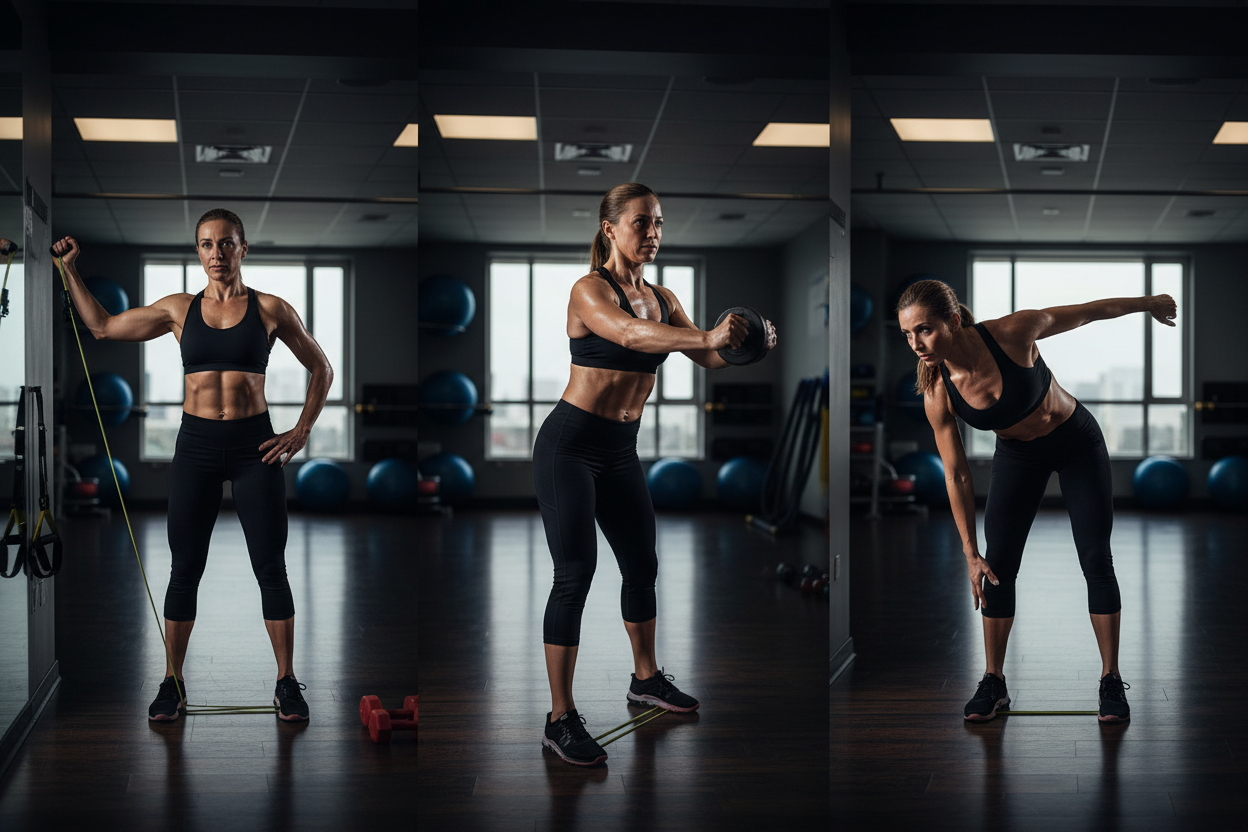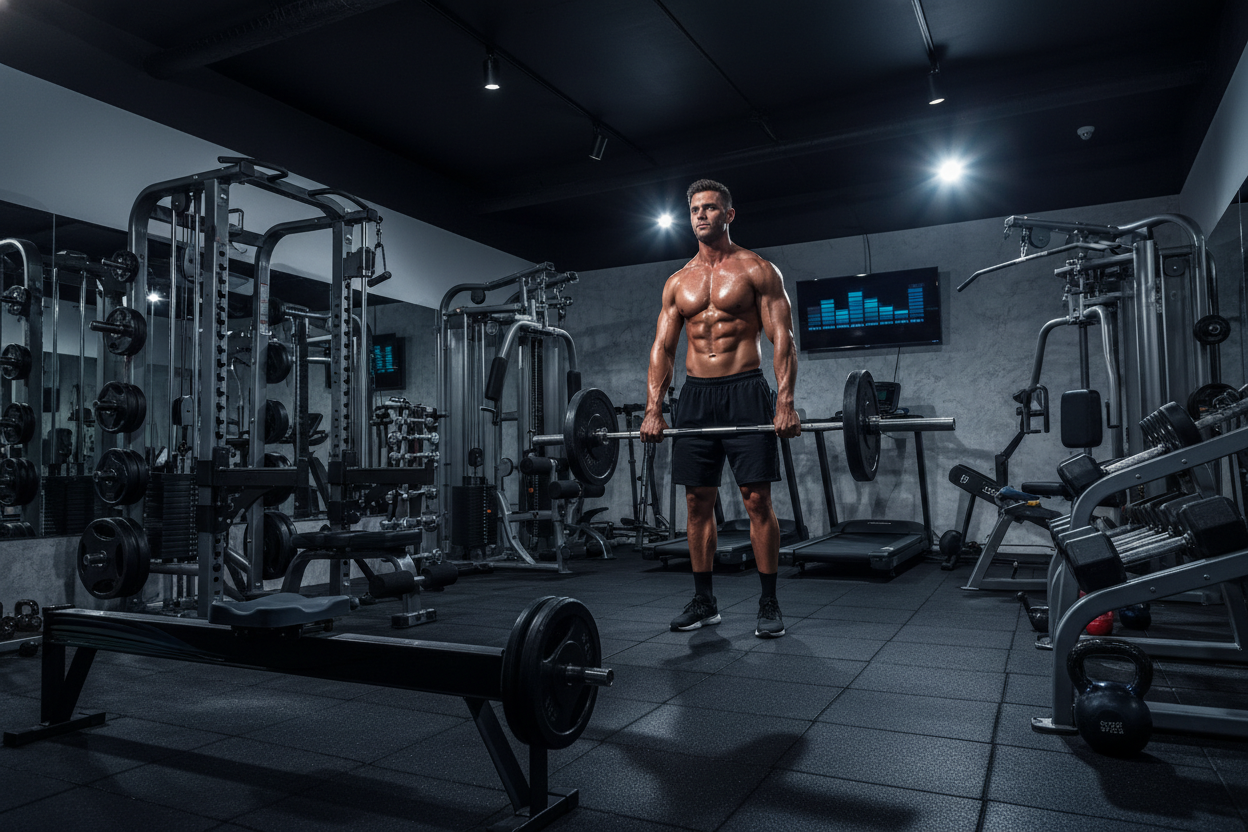
We've all been there: staring at a crowded weight room, waiting twenty minutes for a squat rack, and wondering why we pay a premium monthly fee for the privilege. Building the best home gym setup is the ultimate solution to fitness plateaus, eliminating commute times and giving you 24/7 access to your own iron.
But with thousands of equipment brands flooding the market, deciding what actually deserves space in your garage or spare bedroom can feel overwhelming. In this guide, we will cut through the marketing hype to help you design a highly functional, durable training space tailored to your goals and budget.
Key Takeaways
- Measure Before You Buy: Your ceiling height and floor footprint dictate your equipment choices, especially for power racks.
- Prioritize the Big Three: A sturdy rack, a versatile barbell, and a heavy-duty adjustable bench offer the highest training ROI.
- Don't Skimp on Flooring: High-density rubber mats protect your home's foundation and your expensive plates.
- Buy Once, Cry Once: Investing in 11-gauge steel for your core rack saves money over time compared to flimsy entry-level gear.
Designing the Ultimate Training Space
Whether you have a sprawling two-car garage or a cramped basement corner, maximizing your square footage is crucial. The most effective best home gym setups share one common trait: intentional flow. You need enough clearance not just for the equipment, but for your body to move safely around it.
Measuring Your Footprint
For a complete power rack setup, you generally need a minimum footprint of 8 feet by 8 feet. This allows room for a 7-foot Olympic barbell and enough space to load plates on either side. If you are working with a smaller apartment space, your best at home gym setup might pivot away from full racks toward high-quality adjustable dumbbells and a foldable bench.
Core Equipment: Where to Spend vs. Save
It is easy to get distracted by flashy cardio machines and specialized isolation machines, but true strength is built on the basics. If you want the most bang for your buck, focus on versatile, multi-joint equipment.
The Power Rack & Barbell Foundation
Your rack is the centerpiece of your gym. Look for a rack with 3x3-inch uprights and 1-inch hole spacing through the bench press zone. When shopping for a barbell, a multi-purpose bar with medium knurling and dual knurl marks is ideal. Buying these items bundled as the best home gym package can often save you hundreds on shipping.
The Budget Allocation Rule
Spend 70% of your budget on your rack, barbell, and weight plates. Save the remaining 30% for flooring, a bench, and accessories like resistance bands. You can always add specialty bars or kettlebells later as your training evolves.
From Our Gym: Honest Take
When I first built out my 12x12 garage gym, I made the classic rookie mistake: I bought a cheap, 2x2-inch tubular steel rack from a big-box store to save a few bucks. Within six months of heavy squats, the rack swayed noticeably, and the J-cups started chewing up the knurling on my barbell.
I eventually upgraded to a commercial-grade, 11-gauge steel rack, and the difference is night and day. The heavy powder coat hasn't shown a single speck of rust despite humid North American summers. However, one minor caveat I've found with beefier racks: if you add weight storage pegs directly to the back uprights, it can make racking your bench press a bit claustrophobic. If I could do it over, I'd opt for a slightly deeper 30-inch crossmember instead of the standard 24-inch to give myself more breathing room.
Frequently Asked Questions
What is the best home gym for beginners?
The best home gym for beginners focuses on simplicity and safety. A half-rack or a sturdy squat stand with spotter arms, an adjustable flat-to-incline bench, and a selectorized dumbbell set is the perfect starting point to learn fundamental movements without a massive upfront investment.
How much space do I need for the best at home gym set up?
For a basic barbell setup, plan for at least a 10x10 foot area. This ensures you have overhead clearance for standing presses (usually requiring at least 8 to 9-foot ceilings) and horizontal clearance for loading a standard 84-inch Olympic barbell.
Is a home gym actually worth the investment?
Absolutely. While the initial cost of a premium setup can range from $1,500 to $3,000, it pays for itself within two to three years when you eliminate monthly gym memberships, commute costs, and the time saved by having a gym steps away from your living room.