
Best Home Gym All-In-One: The Definitive Buying Guide (2025)
You are likely staring at a corner of your garage or a spare bedroom, measuring tape in hand, wondering if you can actually fit a commercial-grade workout into a residential footprint. It is the most common dilemma I see among home fitness enthusiasts. You want heavy lifting capacity without turning your living space into a cluttered warehouse.
Finding the best home gym all-in-one isn't just about buying the most expensive unit with the most attachments. It is about understanding biomechanics, floor space efficiency, and the long-term durability of moving parts. If you choose correctly, you never pay a gym membership again. Choose poorly, and you have purchased an expensive coat rack.
Quick Summary: How to Choose
If you are scanning for the best all-in-one gym equipment, these are the non-negotiable criteria you must evaluate before clicking buy:
- Resistance Type: Weight stacks offer quick changes and constant tension; plate-loaded machines (Smith/Leverage) handle higher loads; power rods/bands offer variable resistance but lack eccentric load.
- Pulley Ratio: Look for a 2:1 ratio for functional training (longer cable travel) or 1:1 for heavy lat pulldowns and rows.
- Footprint vs. Height: Measure ceiling height specifically for pull-up clearance, not just the machine's frame.
- Max Weight Capacity: Ensure the machine handles at least 20% more than your current max lift to allow for progression.
- Station Versatility: The best multifunction home gym must allow for compound movements (squats/presses) and isolation work (extensions/curls).
Analyzing Resistance Profiles
The core difference between a toy and a tool is the resistance engine. When searching for the best all-in-one exercise machine, you will encounter three main categories. Your training style dictates which one wins.
1. The Weight Stack (Selectorized)
This is the gold standard for convenience. You move a pin, and the weight changes. For bodybuilders doing drop sets, this is the best all in one weight machine configuration. However, the physics here matter: look for cast iron stacks over vinyl-filled cement. Vinyl cracks over time and creates friction on the guide rods, killing the smooth feel of the rep.
2. Plate-Loaded Leverage Systems
These machines replace cables with lever arms. They are excellent for heavy lifters because they eliminate the instability of a barbell while allowing you to move serious weight. If you are looking for the best all in one gym machine for home that focuses on pure strength (hypertrophy) rather than functional movement, leverage systems are superior because there is no cable stretch.
3. Cable and Pulley Systems (Functional Trainers)
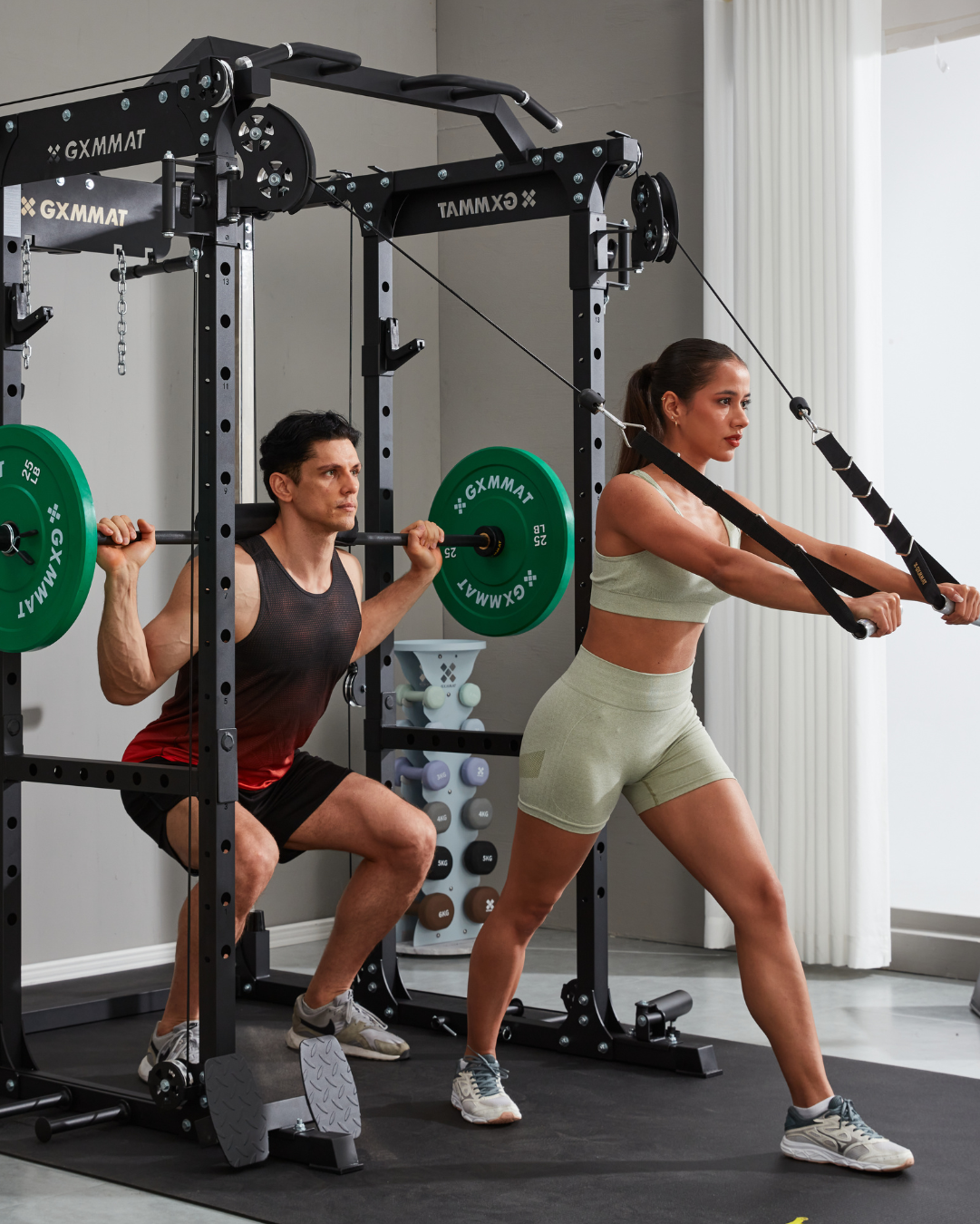
If you play sports or want to move freely, you need cables. The best all-in-one gym equipment often combines a Smith machine with a dual adjustable pulley system. This allows you to perform strict presses and then immediately switch to rotational woodchoppers or cable crossovers.
The "All-In-One" Myth: What to Watch For
Marketing teams love to label anything with two handles as the best all-in one workout machine. Be skeptical of high attachment counts. A machine that claims to do 100 exercises usually does 5 of them well and 95 of them awkwardly.
Focus on the "Big Three" stations:
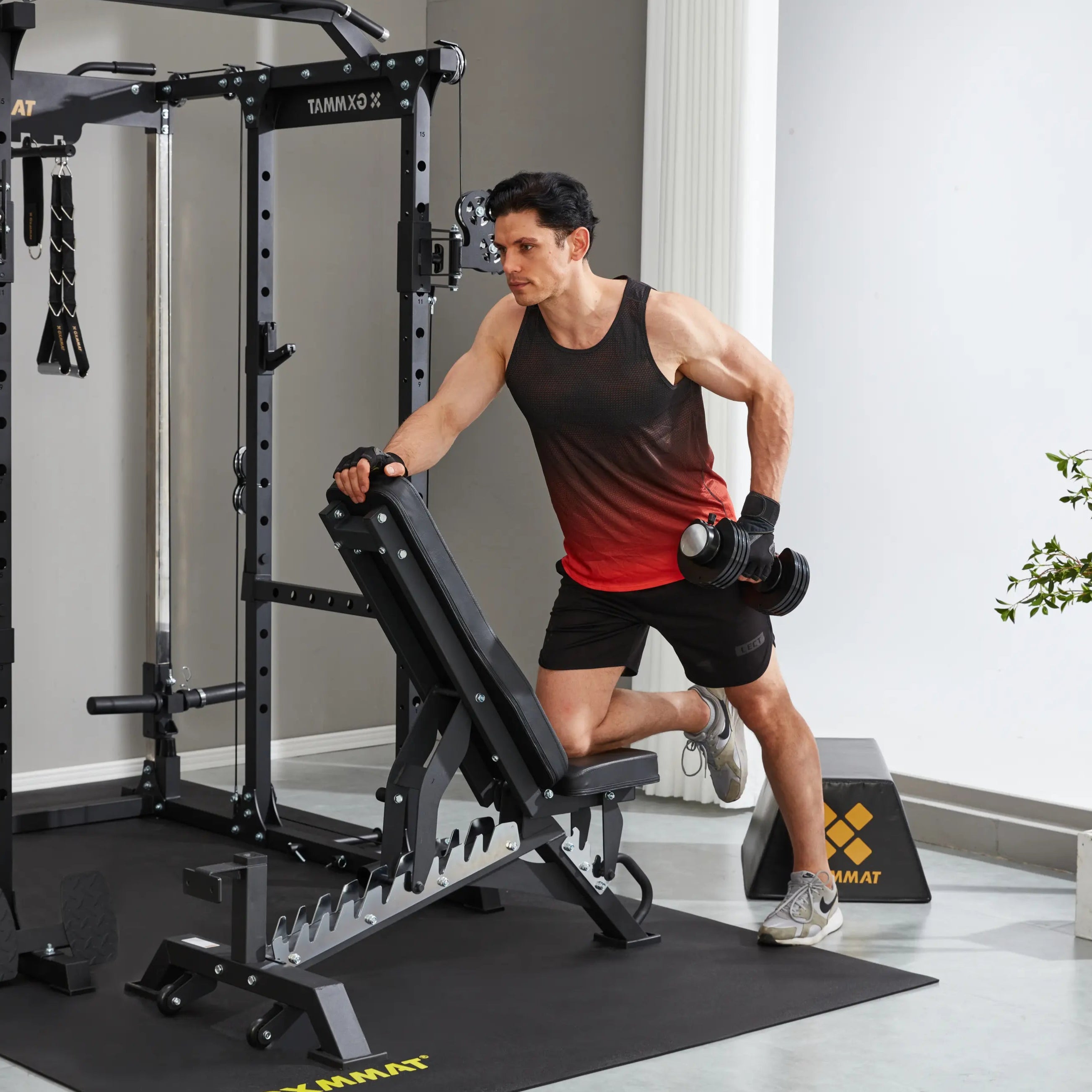
- The Pressing Station: Can you set the bench flat, incline, and shoulder press without the machine arms hitting your knees?
- The Pulling Station: Is the lat pulldown high enough to get a full stretch at the top? (A common failure point for users over 6 feet tall).
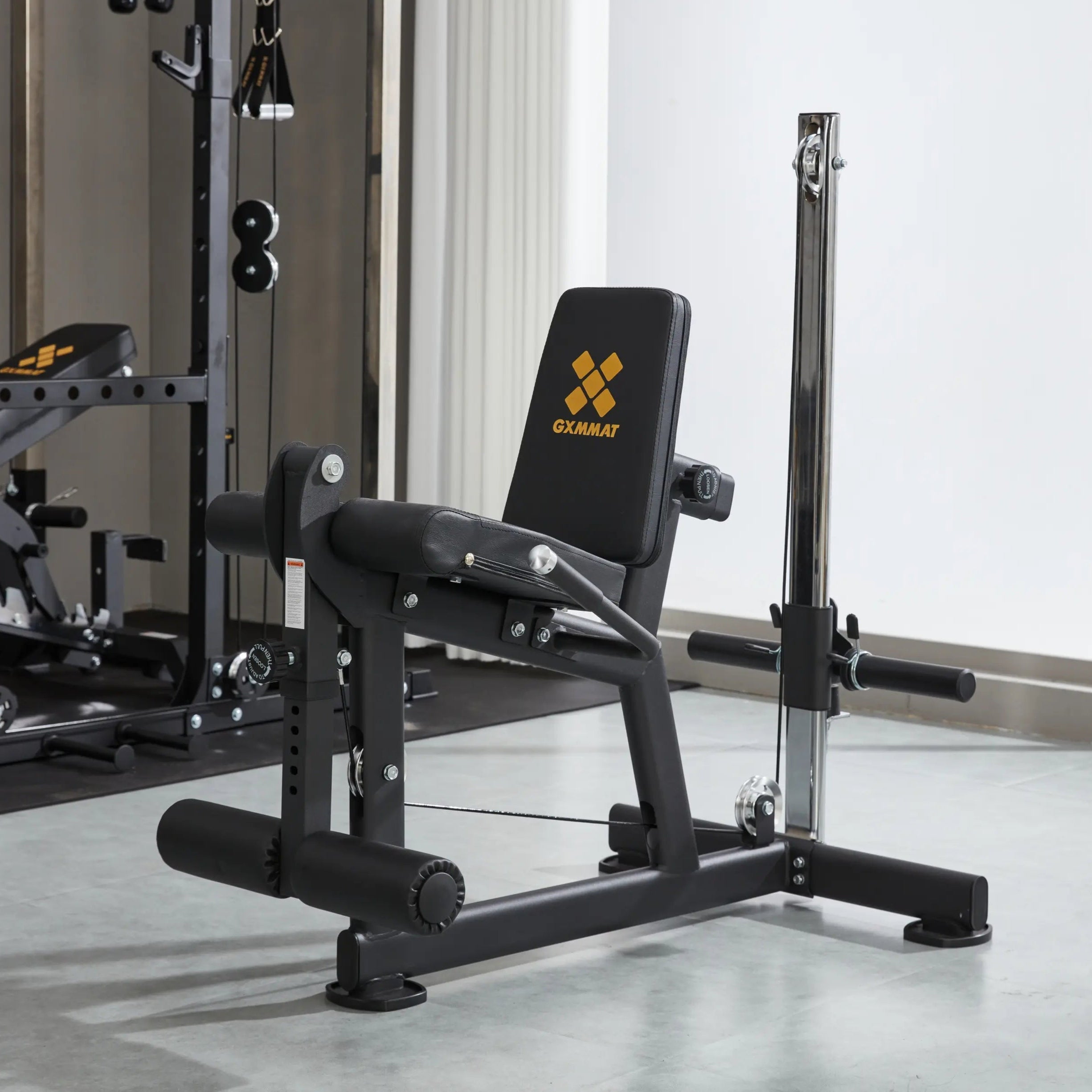
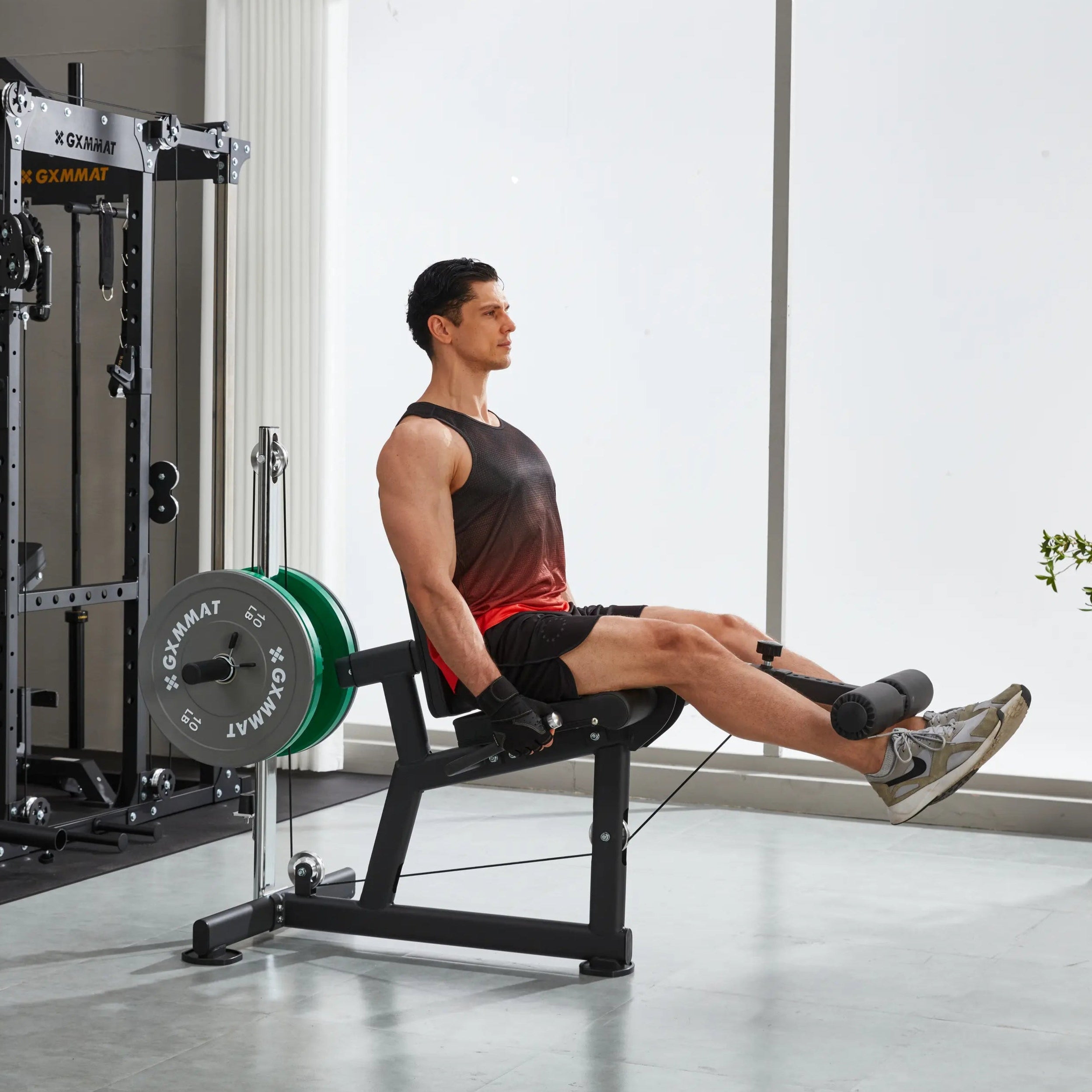
- The Leg Station: Does the leg extension align with your knee joint? If the pivot point is off, you risk shearing force on the knee rather than muscle activation in the quad.
Space Efficiency and Build Quality
The best all in one home gym machine is dense, not necessarily massive. Look for 11-gauge steel frames. Anything thinner (12 or 14 gauge) will wobble when you re-rack a heavy squat or perform a dynamic pull-up. Stability is a safety feature, not a luxury.
Furthermore, examine the cables. You want aircraft-grade cables rated for 2,000 lbs tensile strength. Even if you only lift 200 lbs, the higher rating ensures the cable won't snap under the shock load if you accidentally drop the weight stack.
My Training Log: Real Talk
I want to step away from the specs and tell you about my actual experience with these units. A few years ago, I tested what was marketed as the "best home gym equipment all in one" from a popular budget brand. On paper, it looked perfect.
The reality hit me on leg day. I was doing a seated leg press on the floor attachment. The friction on the rails was so bad that the sled would stutter on the way down. It didn't feel like muscle tension; it felt like dragging a cinder block over gravel. It completely ruined the eccentric portion of the lift.
Contrast that with a high-end functional trainer I installed last month. The difference wasn't just the weight; it was the knurling on the Smith machine bar. It was aggressive enough to bite into my palms without chalk, giving me total confidence during a heavy shrug. And the sound—cheap machines clang and rattle. Quality machines have a dull, solid "thud" when the stack connects. That silence is what you pay for. It lets you train at 5 AM without waking up the whole house.
Conclusion
Building a physique at home requires equipment that respects your biomechanics. The best home gym all-in-one is the one that removes friction—not just mechanical friction, but the mental friction of setting up. Invest in a machine with a heavy frame, smooth pulleys, and a resistance type that matches your goals. Do not compromise on stability for the sake of a cheaper price tag; your joints will thank you later.
Frequently Asked Questions
How much ceiling height do I need for an all-in-one gym?
Most all-in-one units require between 84 and 90 inches of clearance. However, you must account for your head clearance during pull-ups. Ideally, you want 6 to 12 inches of space above the machine's highest point so you don't hit the ceiling during a muscle-up or chin-up.
Is a Smith Machine combo better than a free weight rack?
For solo training, the best all-in-one gym machine often includes a Smith Machine because it acts as a built-in spotter. It allows you to push to failure safely. However, a hybrid machine that includes "J-hooks" for a free barbell offers the best of both worlds.
Can I install these machines on the second floor?
It depends on the weight stack. A machine with dual 200lb stacks plus the frame can weigh over 600-800 lbs. While this is generally safe for modern residential construction (spread over a footprint), it is vital to place the machine near load-bearing walls and use rubber stall mats to disperse the pressure.