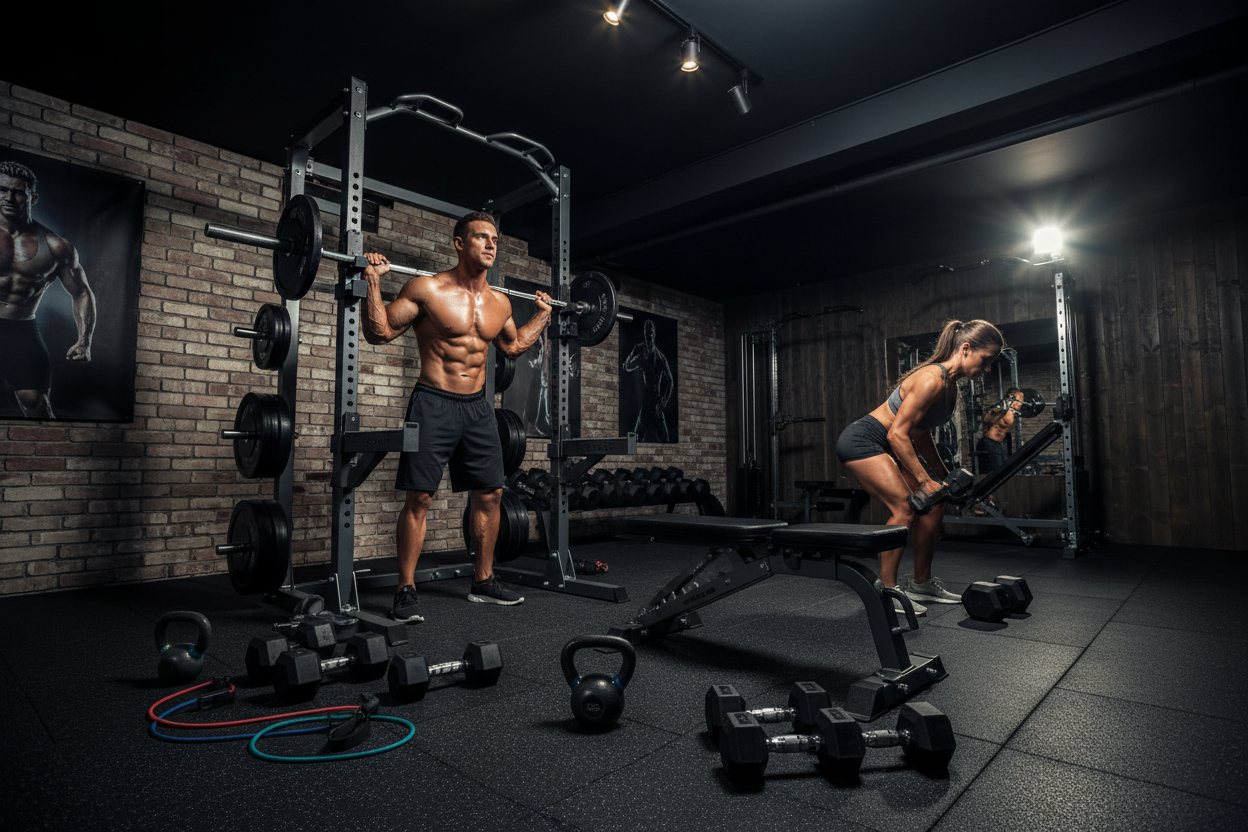
Best Fitness Gym Equipment: What Actually Works At Home
Building a home workout space is exciting until you are staring at a chaotic sea of racks, benches, and machines online, wondering what will actually fit in your garage or spare room. We have all been there—buying a trendy piece of gear only to watch it become an expensive clothes hanger. To build a setup you will actually use, you need the best fitness gym equipment tailored specifically to your goals, budget, and available square footage. This guide will help you cut through the marketing noise and choose the foundational pieces that deliver real results.
Key Takeaways
- Prioritize versatility: Choose equipment that supports multiple movement patterns to maximize your investment.
- Measure twice: Always factor in ceiling height and operating clearance, especially for the best basement gym setups.
- Start with free weights: A quality rack, bench, and barbell provide the highest ROI for strength training.
- Match gear to goals: Do not buy cardio machines if your primary goal is hypertrophy, and vice versa.
Building Your Core Setup
When it comes to outfitting a functional space, selecting the best at home weight lifting equipment is your first major hurdle. You do not need a commercial facility's worth of gear; you just need the right gear.
The Power Rack: Your Non-Negotiable
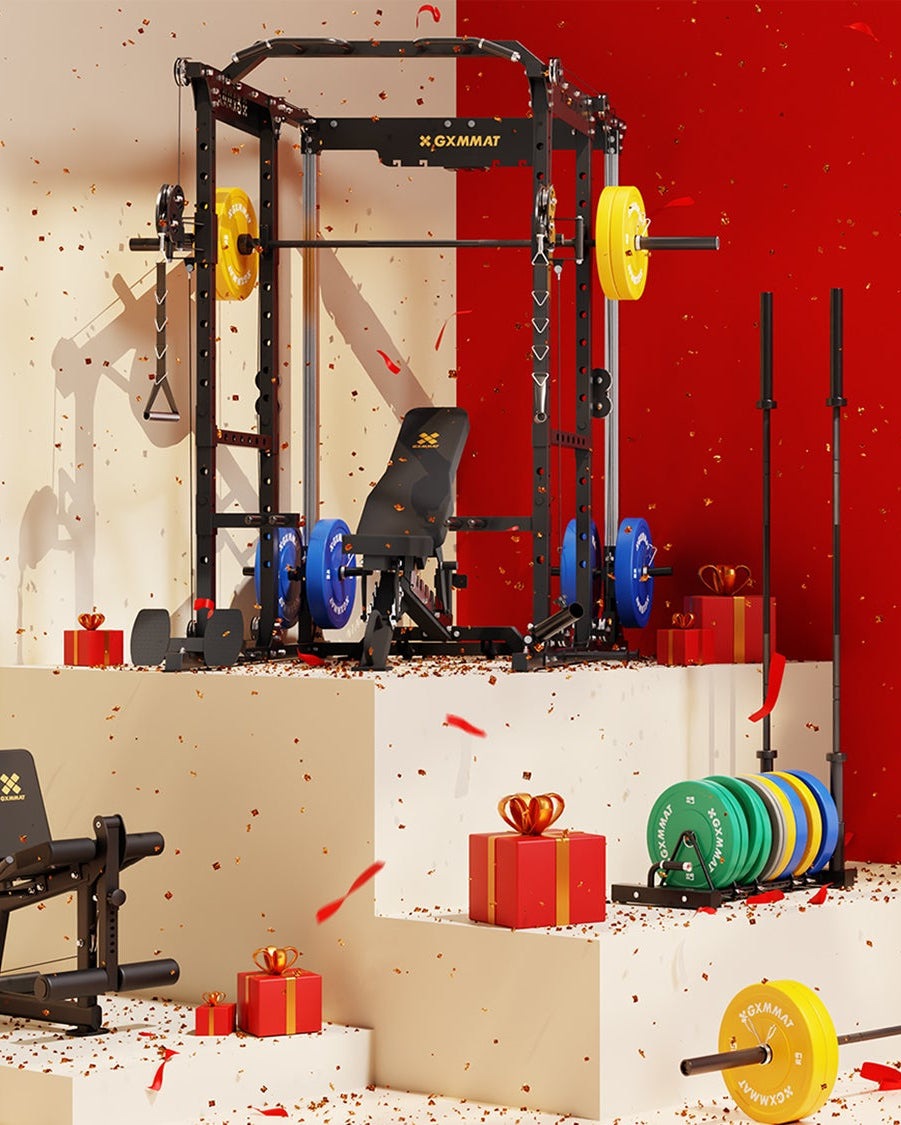
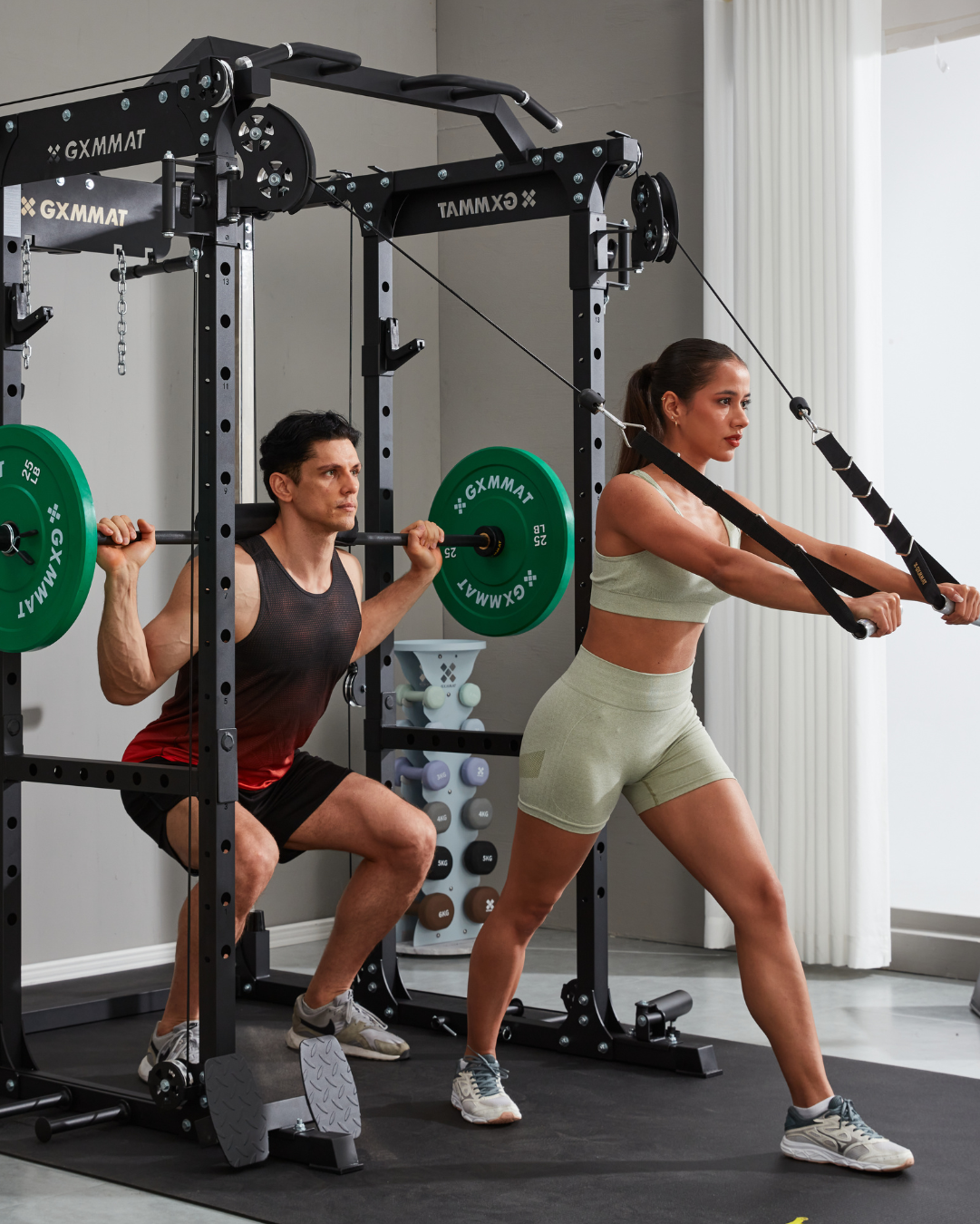
A heavy-duty power rack is the centerpiece of any serious home setup. Look for 3x3-inch steel uprights with 11-gauge steel if you plan on lifting heavy. This ensures stability during squats and pull-ups without needing to bolt the rack to your floor immediately.
Selectorized vs. Plate-Loaded Machines
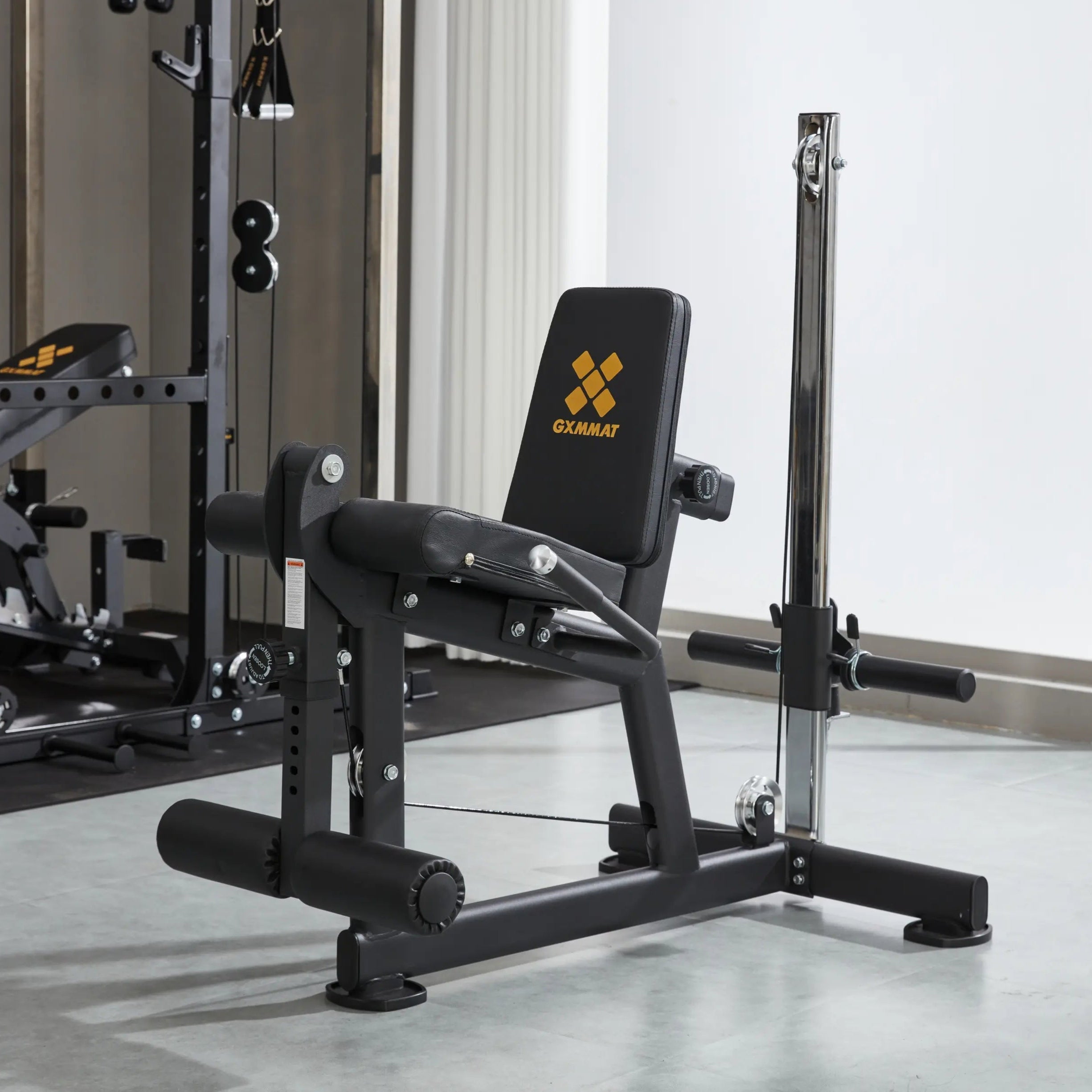
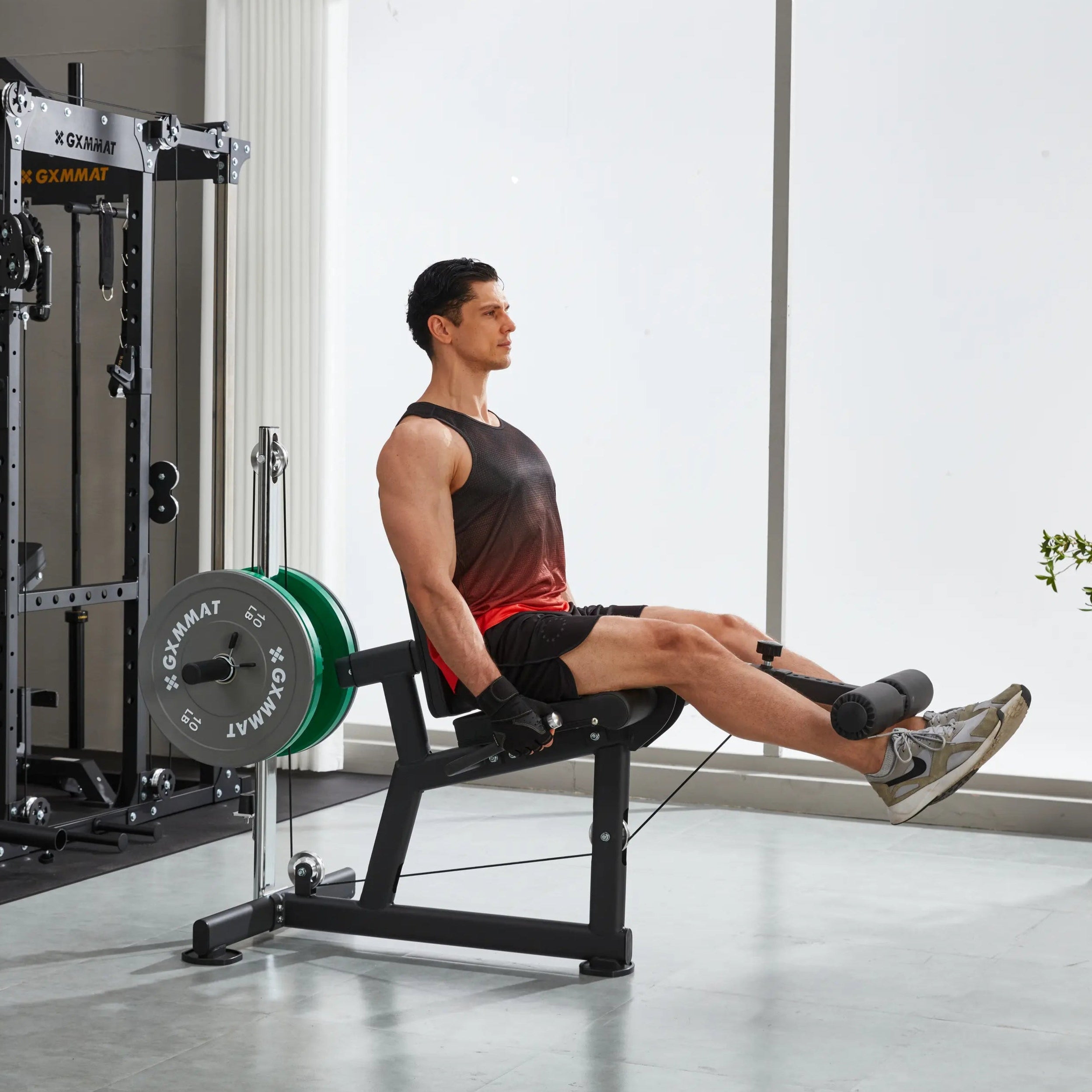
If you are hunting for the best weight machine for home gym use, you will need to decide between selectorized (pin-loaded) and plate-loaded options. Plate-loaded machines save money and utilize the weight plates you already own, while selectorized functional trainers offer unmatched convenience and quick transitions between exercises.
Maximizing Your Square Footage
Not everyone has a sprawling three-car garage to convert. Often, we are working with low ceilings, sloped floors, or tight spare bedrooms.
Designing the Best Basement Gym
Basements are notorious for low ductwork and uneven concrete. If you are building the best basement gym, ceiling height is your biggest enemy. Opt for 'short' power racks (typically around 72 to 80 inches tall) and measure your overhead reach to ensure you can perform standing overhead presses. Rubber stall mats (3/4-inch thick) are essential here to protect your foundation and insulate against the cold floor.
Choosing Gear That Grows With You
The best at home lifting equipment is not just about what you can lift today; it is about what will still challenge you three years from now.
Adjustable Dumbbells vs. Fixed Sets
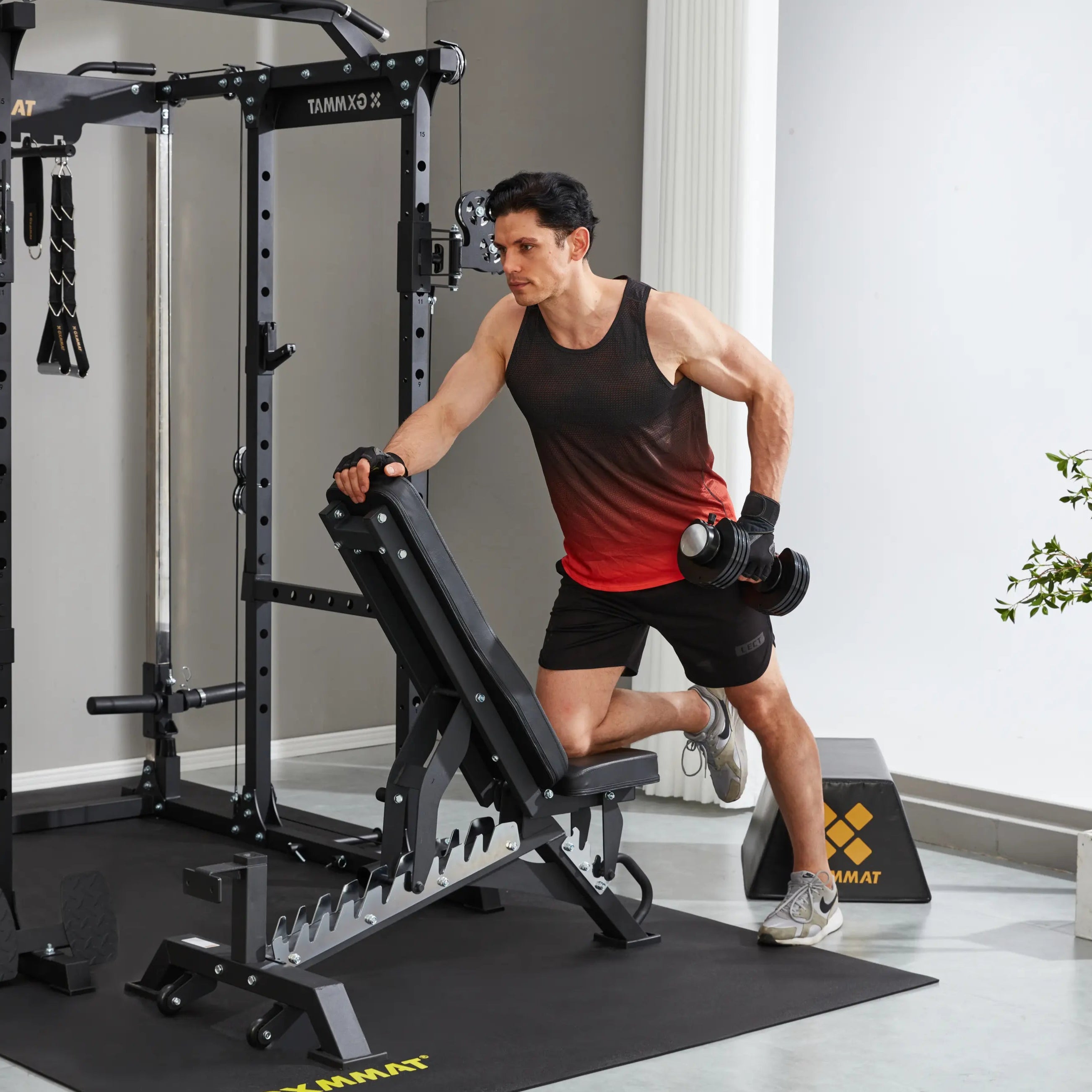
For most home users, a premium pair of adjustable dumbbells is the smartest purchase. They replace an entire wall of fixed dumbbells, saving massive amounts of space and money. Look for mechanisms featuring machined steel rather than brittle plastic dials, which tend to crack under heavy, frequent use.
From Our Gym: Honest Take
After testing dozens of setups over the last five years, I can confidently say that going cheap on a barbell is the biggest mistake new home gym owners make. When I first built my garage gym, I bought a budget bar. Within six months, the knurling was worn smooth, and the sleeves barely spun. Upgrading to a mid-tier, multi-purpose barbell completely changed my training. The aggressive knurling held solid through heavy deadlift sets even in the humid summer months, and the bronze bushings provided a smooth spin for cleans. Yes, a functional trainer is nice, but your hands are on the barbell for 80% of your workout. Spend the extra $150 there—you will not regret it.
Frequently Asked Questions
Is a home gym actually worth the investment?
Absolutely. While the upfront cost of the best fitness gym equipment can range from $1,000 to $3,000 for a solid setup, eliminating a $50 to $100 monthly gym commute and membership fee means your gym pays for itself in about two to three years.
What is the best weight machine for home gym beginners?
A cable functional trainer is arguably the most versatile machine for beginners and advanced lifters alike. It allows for safe, controlled movements across hundreds of exercises without the steep learning curve of free-weight barbell movements.
How much space do I really need?
For a basic setup (rack, bench, barbell), you need a minimum footprint of 8x10 feet. This allows enough room for the 7-foot barbell and enough clearance on the sides to comfortably load and unload weight plates.