Best Exercise for Flat Stomach Fast: The Honest Truth
We've all been there: staring at the rubber flooring of our home gym, grinding through another endless set of crunches, and wondering why the midsection isn't changing. If you are desperately searching for the best exercise for flat stomach fast, you are likely hitting a frustrating workout plateau. The fitness industry loves to sell quick fixes, but as someone who outfits home gyms for a living, I can tell you that the secret doesn't lie in a flimsy infomercial gadget.
Achieving a leaner midsection requires a blend of metabolic conditioning, deep core stabilization, and, ultimately, kitchen discipline. In this guide, we are going to break down the equipment and movements that actually deliver a return on your investment, helping you build a stronger, tighter core without wasting time or floor space.
Key Takeaways
- Spot reduction is a biological myth; you cannot isolate fat loss to just your stomach.
- The most effective core exercises stabilize the spine rather than just flexing it.
- Heavy compound movements (like squats and kettlebell swings) burn significantly more calories than isolation crunches.
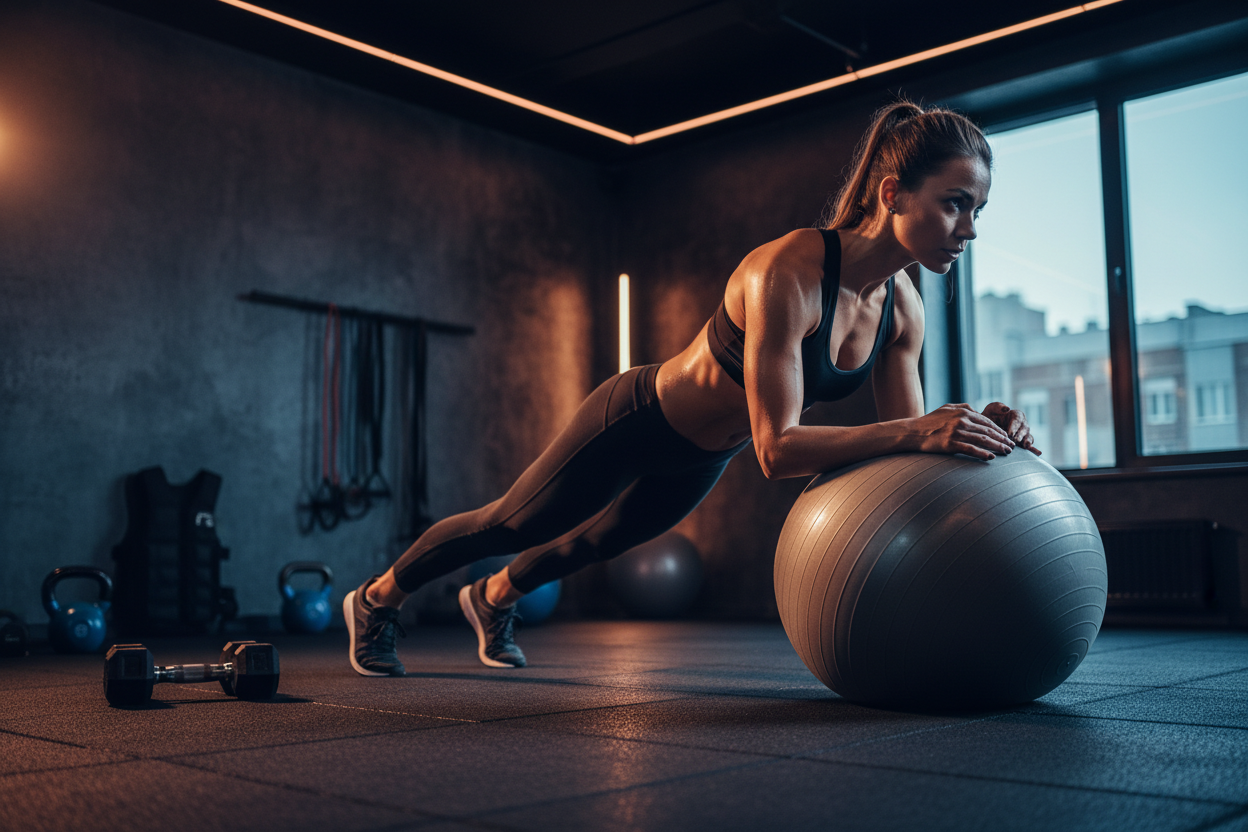
- Effective, quick tummy flattening exercises focus on the transverse abdominis—your body's natural weight belt.
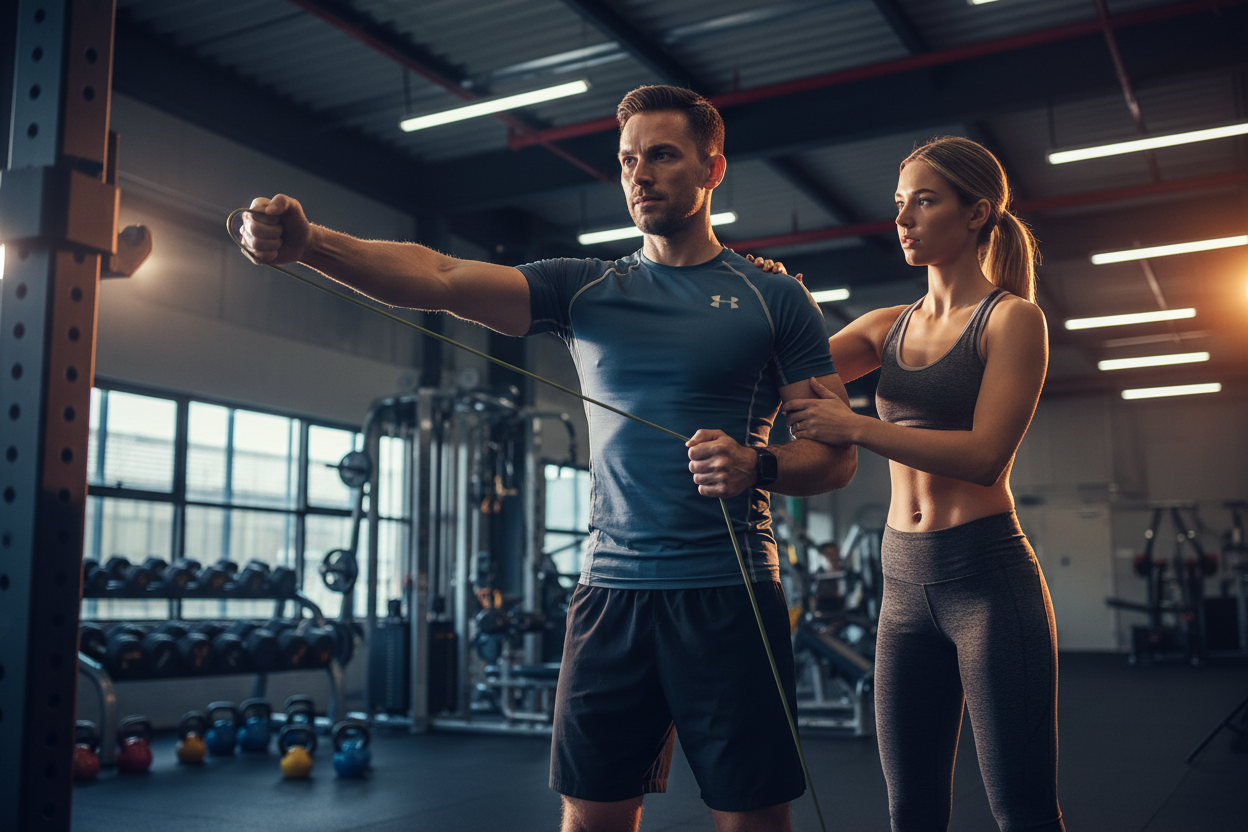
- A simple ab wheel or a high-quality set of resistance bands offers better value and results than bulky, single-use ab machines.
The Reality of Core Training
Why Gimmick Machines Fall Short
Every year, a new machine promises to melt belly fat in minutes a day. From a biomechanical and budget perspective, these are almost always a poor investment for a home gym. They typically lock you into a fixed plane of motion, targeting only the superficial rectus abdominis (the 'six-pack' muscle) while completely ignoring the deeper stabilizing muscles. Furthermore, they take up valuable square footage that could be used for versatile, multi-purpose equipment like a power rack or adjustable dumbbells.
The Actual Best Movements for Your Midsection
Kettlebell Swings for Metabolic Demand
If you want to flatten your stomach, you need to burn calories while simultaneously bracing your core. The heavy Russian kettlebell swing is arguably the king of this domain. By violently extending the hips, your core has to brace aggressively to prevent your lower back from overextending. It bridges the gap between cardio and strength, making it a highly efficient use of your home gym time.
Ab Wheel Rollouts for Deep Activation
When clients ask me for quick tummy flattening exercises, I always point them to the humble ab wheel. Rollouts force your core to work in an 'anti-extension' capacity. By resisting the urge to let your lower back sag toward the floor, you heavily recruit the transverse abdominis. This deep muscle layer acts like a corset; when properly trained, it pulls your midsection inward, contributing to that flat appearance.
Equipping Your Space for Core Training
The beauty of effective core training is that it requires very little space. Whether you are in a spacious two-car garage or a cramped apartment corner, you only need about a 6-foot by 4-foot footprint. I recommend investing in a high-density exercise mat (at least 8mm thick to protect your knees during rollouts), a reliable cast-iron kettlebell, and a dual-wheel ab roller for stability. These three items combined cost less than a fraction of a commercial ab machine and easily tuck away in a closet.
From Our Gym: Honest Take
I've tested dozens of dedicated core machines over my years outfitting North American home gyms. Honestly? Most of them end up as expensive coat racks. In my own 12x12 garage setup, I ditched the bulky crunch machines years ago. At 6'1, I found that heavy front squats inside my power rack and a simple $20 ab roller fired up my midsection far better than any seated crunch machine ever did. The knurling on a heavy barbell forces my entire trunk to stabilize, while the ab roller provides the targeted burn. The caveat? The ab roller is brutally unforgiving on the lower back if your form breaks down. I had to swallow my pride and start on my knees, limiting my range of motion for the first month until my deep core strength caught up.
Frequently Asked Questions
Can I get a flat stomach using only home gym equipment?
Absolutely. You do not need commercial gym machines to build a great core. Free weights, kettlebells, and bodyweight leverage tools (like suspension trainers or ab wheels) are more than sufficient. However, remember that equipment builds the muscle; a caloric deficit reveals it.
How often should I train my core?
Your core muscles recover relatively quickly. For most home gym owners, dedicating 10 to 15 minutes of direct core work 3 to 4 times a week at the end of a strength session is the sweet spot for progressing without overtraining.
Do waist trainers or vibrating belts work?
No. These products temporarily compress tissue or cause localized sweating (water weight loss), but they do not burn fat or build muscle. Your money is much better spent on versatile free weights or a quality diet plan.