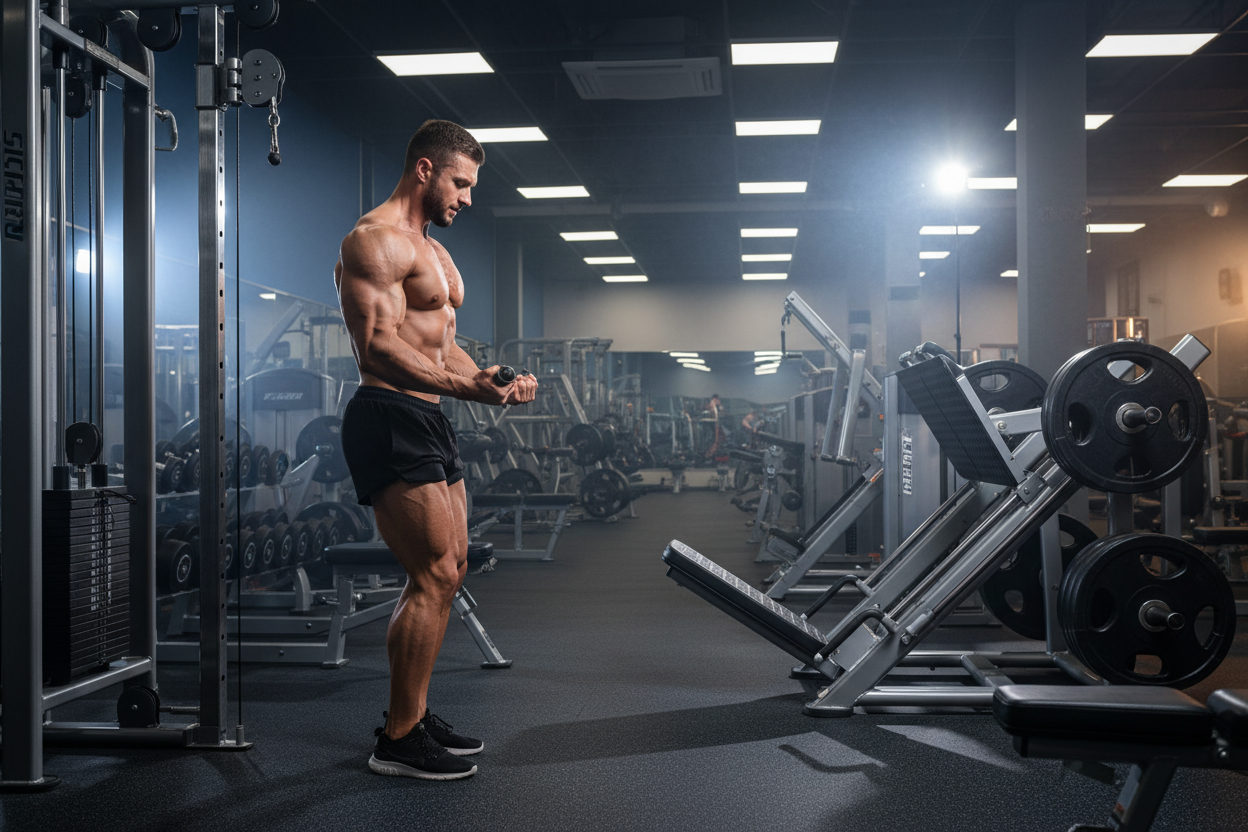
Best Equipment for Muscle Building: The Ultimate Hypertrophy Guide
Walking into a fully stocked gym can feel like entering a cockpit without flight training. You have rows of shiny cardio bots, racks of iron, and complex cable systems all promising to transform your physique. But if your goal is pure hypertrophy (growth), not every tool is equal. To stop spinning your wheels, you need to identify the best equipment for muscle building and understand why it works.
This isn't about using the flashiest gear. It is about understanding mechanical tension, muscle damage, and metabolic stress. Let's break down the tools that actually force your muscles to grow.
Key Takeaways: The Hypertrophy Hierarchy
If you are skimming for the essentials, here is the breakdown of what actually drives results. These are the core categories of gym equipment to build muscle effectively:
- Barbells & Dumbbells: Essential for compound movements and engaging stabilizer muscles.
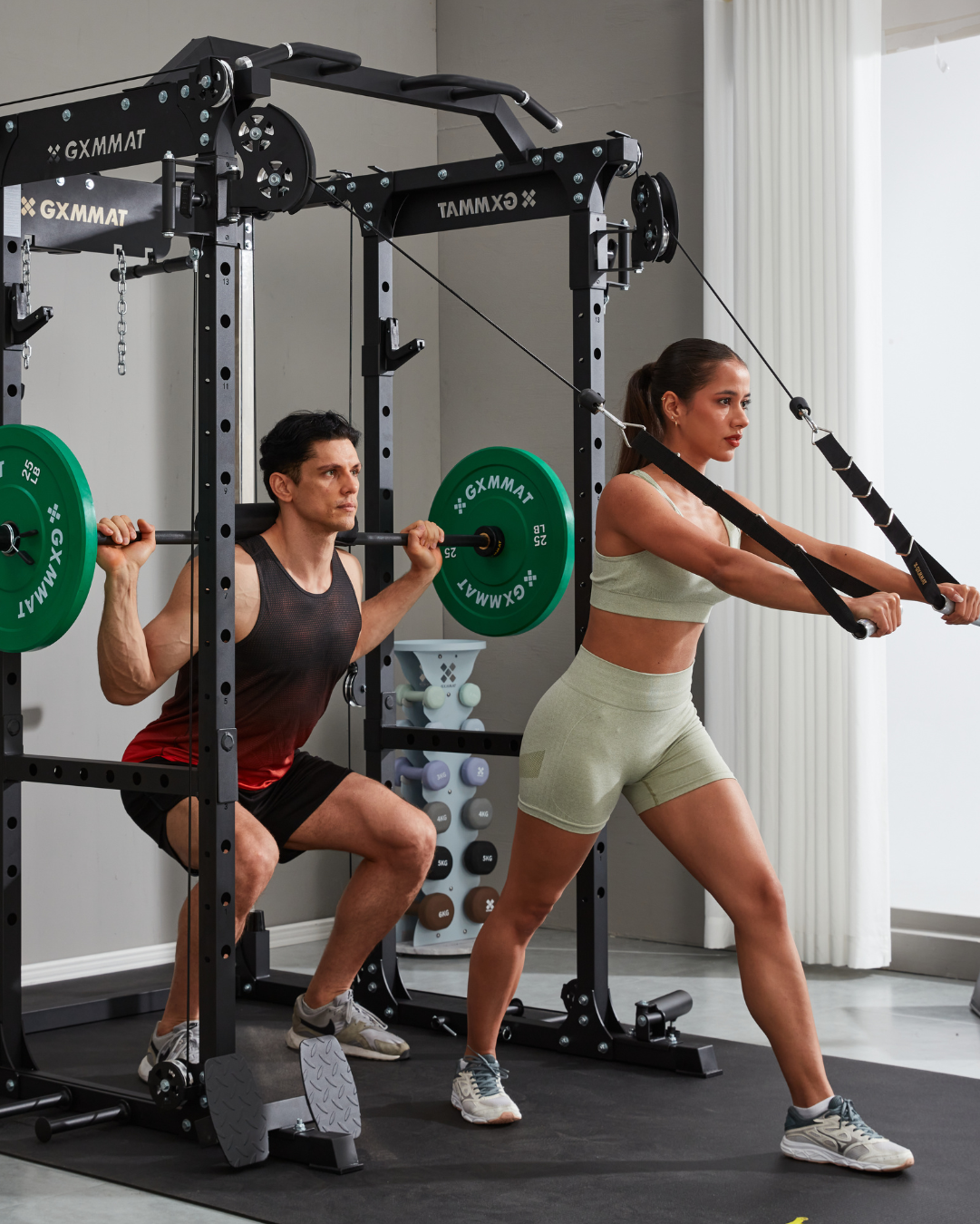
- Cable Stacks: Superior for maintaining constant tension throughout the entire range of motion.
- Plate-Loaded Machines: The best muscle building machines for safe, heavy loading without stability constraints.
- Smith Machine: Often misunderstood, but excellent for target isolation when stability is the limiting factor.
The Foundation: Free Weights
You cannot talk about the best muscle building equipment without starting at the rack. Free weights—specifically barbells and dumbbells—remain the gold standard for a reason.
Why Barbells Win on Mass
Barbells allow you to move the most absolute load. When you squat or deadlift, you aren't just working legs; you are forcing a systemic adaptation. The neurological demand of balancing a heavy bar recruits more motor units than a fixed machine does.
Dumbbells for Symmetry
While barbells build mass, dumbbells build balance. They allow for a greater range of motion (ROM). Think about a bench press: with a bar, your hands stop at your chest. With dumbbells, you can drive your elbows deeper, increasing the stretch on the pectorals. That deep stretch is a critical trigger for hypertrophy.
The Constant Tension: Cable Machines
Gravity has a flaw: it only pulls down. Free weights lose effectiveness depending on the angle. For example, at the top of a dumbbell fly, there is almost no tension on your chest.
This is where cables shine. They provide a vector of resistance that doesn't rely on gravity. Whether you are at the start or end of the rep, the tension remains constant. For isolation work, these are arguably the best gym machines for muscle building because they keep the muscle under load for the entire set.
Machine Mastery: When to Ditch the Iron
There is an old-school myth that machines are only for beginners. That is false. If your goal is purely aesthetic muscle growth (bodybuilding), machines are indispensable.
Stability Equals Output
When you squat with a barbell, your lower back or core might give out before your quads do. This is a stability bottleneck. The best muscle building machines remove that bottleneck.
A plate-loaded Hack Squat or a Leg Press stabilizes your body. This allows you to drive your quads to absolute failure without worrying about falling over. For pure tissue destruction, high-stability machines are often superior to free weights.
Top Muscular Strength Machines
If you have access to a commercial gym, prioritize these specific pieces:
- Hack Squat: Targets the sweep of the quads better than almost anything else.
- Chest-Supported T-Bar Row: Allows you to row heavy without lower back strain.
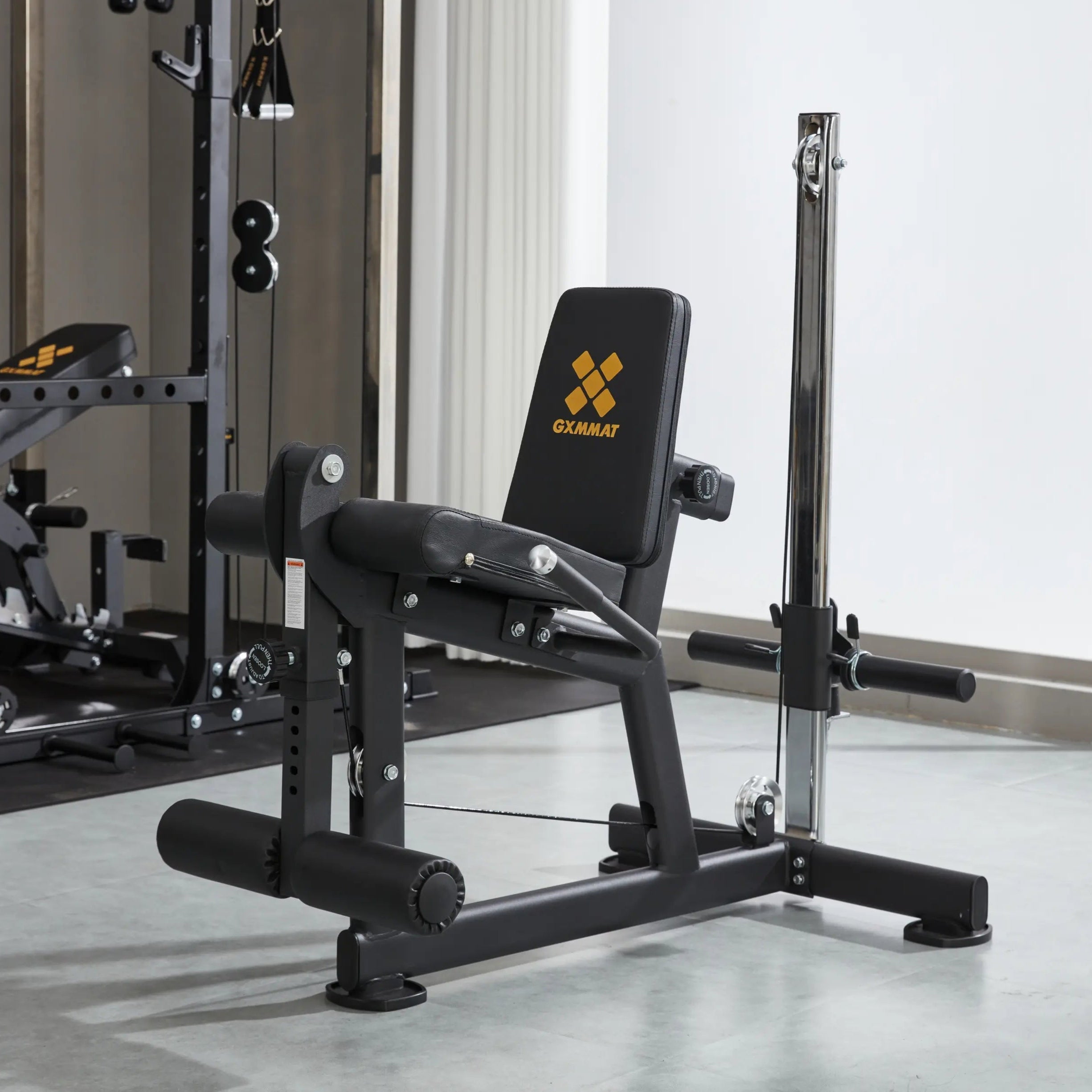
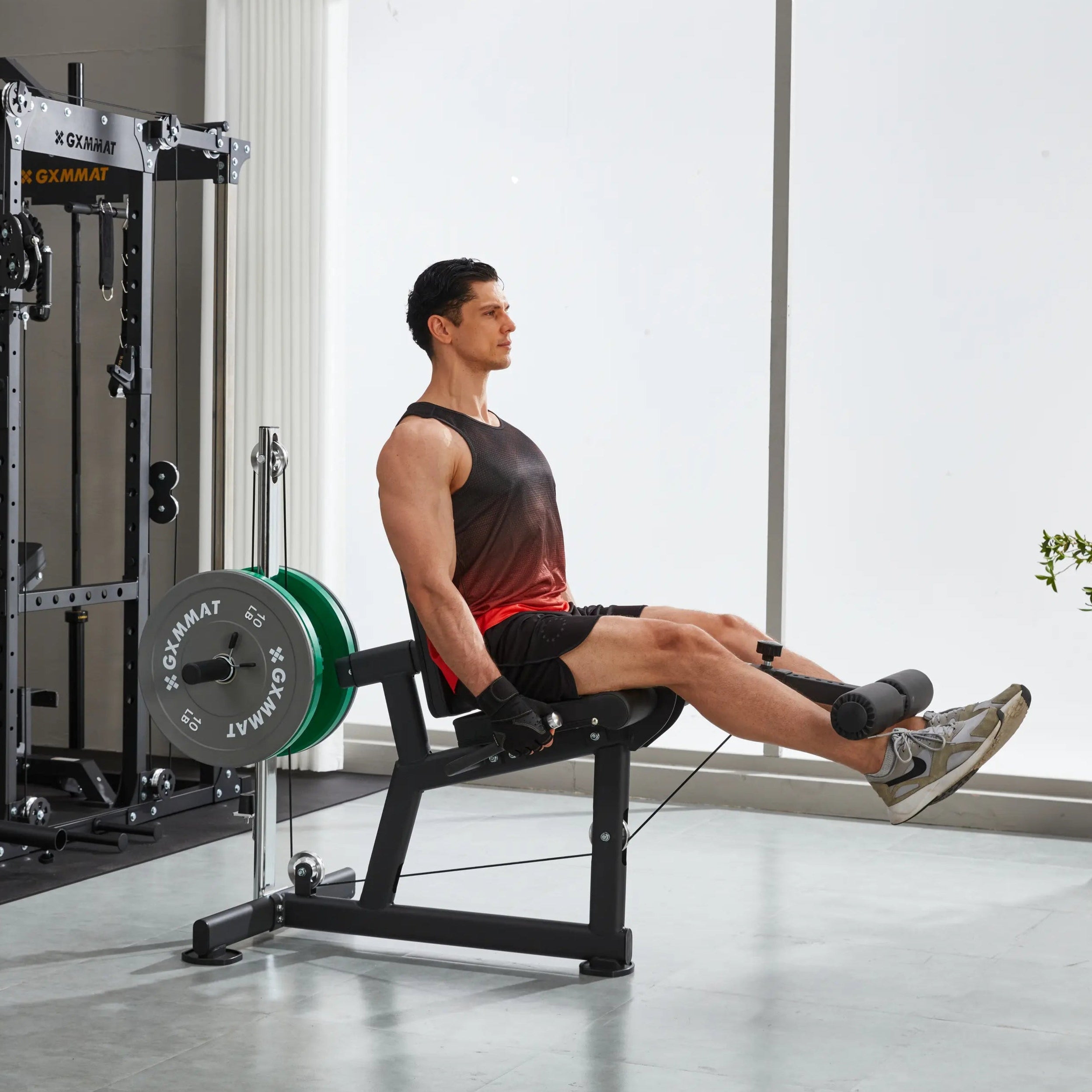
- Seated Hamstring Curl: Scientifically proven to activate the hamstrings better than lying curls due to the hip position.
My Training Log: Real Talk
Let's step away from the science for a second. I want to share a specific observation from my own years in the weight room regarding the best equipment for muscle building.
It’s about the "friction" in cable machines. I remember training at a budget gym chain that had poorly maintained cable stacks. When I did face pulls or tricep pushdowns, the movement was jerky—it would catch and release, catch and release.
That micro-stutter ruins the eccentric (lowering) phase of the lift, which is where most muscle damage occurs. Later, I switched to a gym with high-end Nautilus and Prime equipment. The difference wasn't the weight; it was the smoothness. The cable felt like it was cutting through butter.
The takeaway? If a machine feels "gritty" or sticks halfway down, skip it. It disrupts the tension curve. You are better off using a dumbbell or finding a different station. Your gear shouldn't fight your rhythm; it should only fight your muscles.
Conclusion
The best equipment for muscle building isn't a single magical machine. It is a mix of tools used for the right purpose. Use free weights to build your foundation and systemic strength. Use cables to ensure constant tension. Use machines to safely take specific muscles to failure.
Don't get married to one tool. The body adapts quickly, and varying your stimulus by rotating through these equipment types is the key to long-term growth.
Frequently Asked Questions
1. Can I build muscle with just machines?
Yes, absolutely. In fact, for hypertrophy (muscle size), machines can sometimes be better than free weights because they offer more stability. This allows you to focus entirely on the target muscle without stabilizer fatigue. However, you may miss out on the systemic strength benefits of free weights.
2. What is the single best piece of gym equipment to build muscle at home?
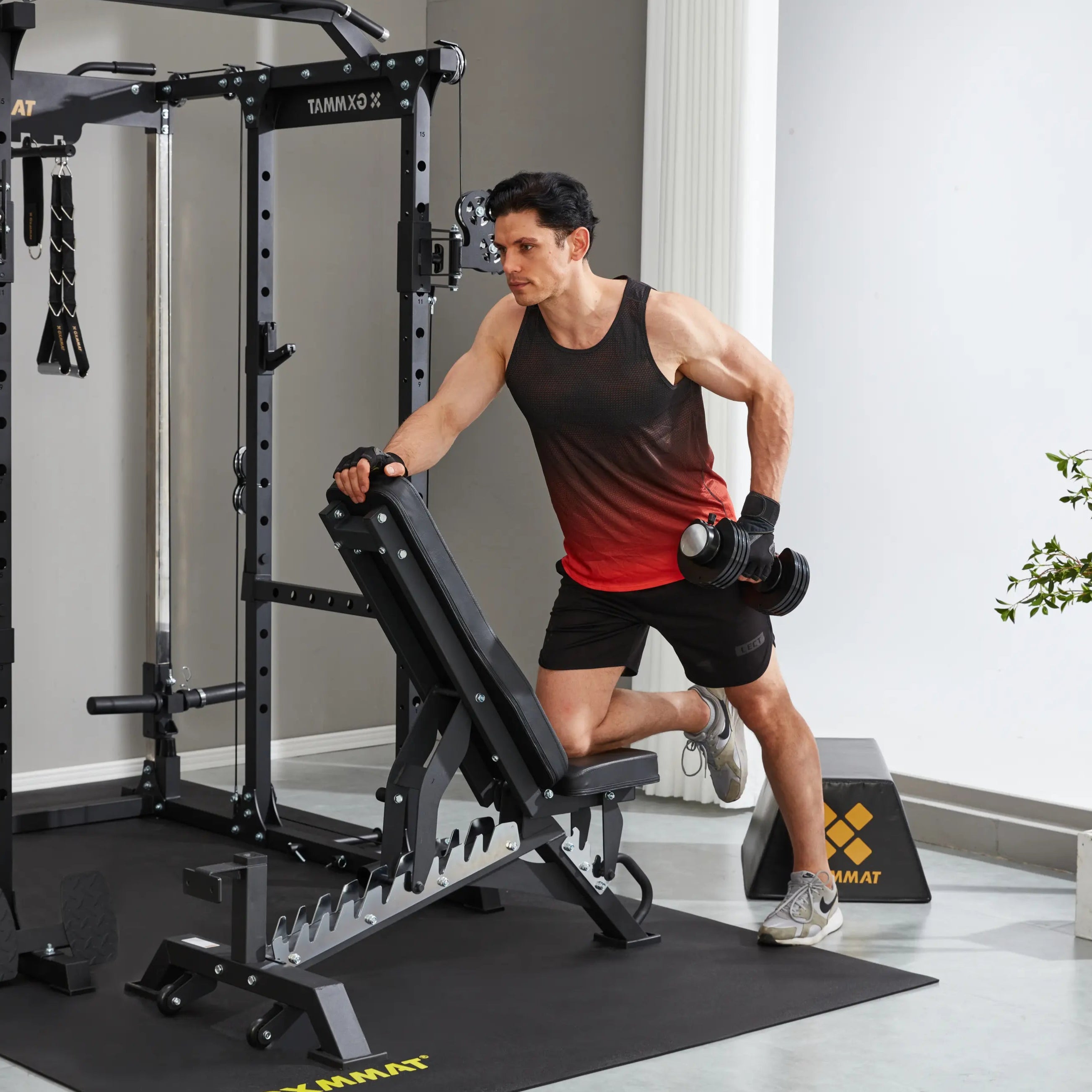
If you have limited space, an adjustable bench and a set of adjustable dumbbells are the best investment. This combination allows you to hit every muscle group with a significant range of motion. A pull-up bar would be a close second.
3. Are muscular strength machines safer than free weights?
Generally, yes. Machines have a fixed path of motion and often include safety stops. This makes them ideal for training to failure without a spotter. However, because the path is fixed, they may not fit every body type perfectly, which can sometimes cause joint stress if the seat isn't adjusted correctly.