
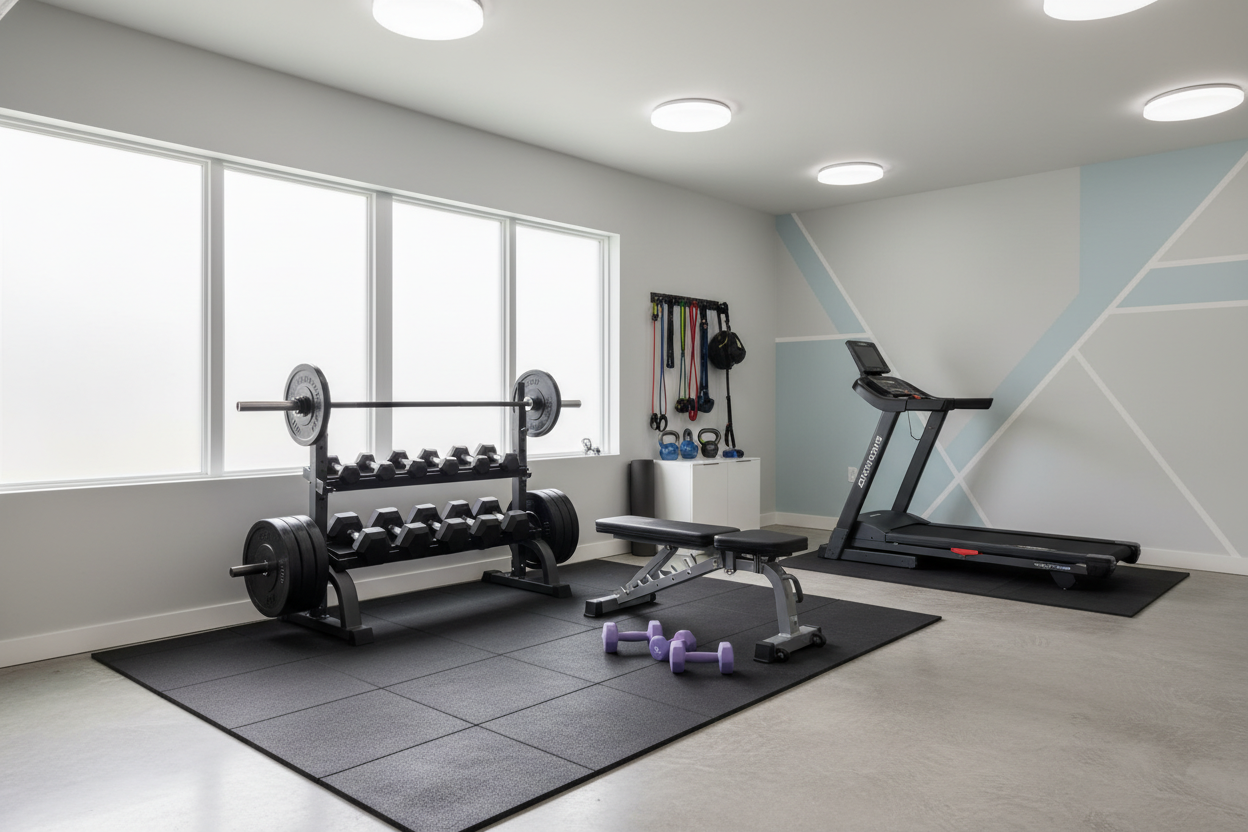
Beginners Workout Plan at Home: The Micro-Session Strategy
You clear a 6x6 foot space in your living room, queue up a 60-minute high-intensity YouTube video, and exactly 12 minutes later, you are gasping for air on the carpet. I have watched this exact scenario play out with hundreds of my personal training clients. When you attempt to adopt an intense, hour-long routine from day one, you crash directly into a wall of fatigue and schedule friction. Finding a sustainable beginners workout plan at home requires a complete shift in how you view your exercise time.
Instead of suffering through a massive block of exhaustion, I teach absolute beginners the 'Fragmented Session' method. This strategy breaks your daily movement into highly manageable micro-doses, making physical activity an automatic habit rather than a daunting, sweat-drenched chore.
Quick Takeaways
- Split your daily exercise into three 10-minute micro-sessions to manage fatigue.
- Focus on mobility in the morning, upper body at noon, and lower body at night.
- Keep your workout space permanently set up to eliminate setup friction.
- Micro-dosing exercise reduces localized muscle burnout and prevents severe next-day soreness.
Why Traditional Home Workouts Fail Absolute Beginners
Most fitness apps and online videos assume you have 45 to 60 minutes of uninterrupted time and the cardiovascular base to sustain a high heart rate. For someone starting from scratch, that expectation is a recipe for failure. When I design a beginners workout program at home, the biggest hurdle to clear isn't physical weakness—it is mental resistance. If your brain associates exercise with an hour of heavy breathing, a racing heart, and severe discomfort, you will inevitably find excuses to skip it.
Traditional routines also trigger massive DOMS (Delayed Onset Muscle Soreness) in untrained individuals. Doing 40 minutes of squats, lunges, and push-ups on a Monday often means your legs are so stiff you can barely walk down the stairs by Wednesday. This forces you to take a week off, completely killing any momentum you built.
A successful beginner at home workout plan respects your current physical threshold. By breaking the volume down into bite-sized pieces, you bypass that massive intimidation factor. You get the physiological benefits of movement—increased blood flow, joint lubrication, and muscle activation—without the crushing central nervous system fatigue that derails consistency. You don't need to change into expensive gym clothes or prep a pre-workout drink; you just need to move your body for a few minutes at a time.
The Micro-Session Concept: Your Starter Workout Plan at Home
The secret to this starter workout plan at home is the micro-session. Instead of one long slog, we take 30 minutes of total daily movement and slice it into three 10-minute fragments: Morning, Noon, and Evening. This fragmented approach allows your central nervous system to fully recover between bouts. You can put genuine effort into a quick 10-minute burst because you know the finish line is only a few songs away. It transforms a daunting fitness plan for beginners at home into a series of highly manageable, low-stress tasks.
To make this micro-session strategy work, you must have zero friction between deciding to work out and actually doing it. If you have to move the heavy oak coffee table, dig your mat out of the hall closet, and find your sneakers every single time, you will skip the midday session. Out of sight means out of mind.
I always instruct my clients to designate a permanent 6x6 foot corner in a spare room, office, or basement. Lay down a large exercise mat for home gym use and leave it there permanently. Having a dedicated, always-ready surface acts as a powerful visual trigger. You walk by it, drop down, execute your 10 minutes, and immediately move on with your day. When I test home gym setups, I find that clients who leave their equipment out in plain sight have a 70% higher adherence rate than those who pack it away daily.
Morning Fragment: Core Awakening and Mobility
The first phase of this home exercise program for beginners happens right after you wake up. While you sleep, your spinal discs absorb fluid, making your back temporarily stiffer in the morning. Because of this, we absolutely do not want high-impact jumping or heavy lifting right out of bed.
Instead, spend your first 10 minutes waking up your nervous system. I recommend a floor-based sequence of cat-cows, bird-dogs, and dead bugs. Aim for 2 sets of 10-12 slow, controlled reps per movement. This gentle routine activates your deep core stabilizers, lubricates the spine, and pushes fresh blood into your extremities.
Because you are spending this entire fragment on the floor, comfort is critical. When testing equipment for clients, I've found that a thick 6x8ft exercise mat provides the exact right amount of joint protection for morning mobility drills. A standard 3mm yoga mat will leave your knees bruised during bird-dogs, but a 7mm high-density surface supports your joints without bottoming out.
Finish this beginner home workout program morning fragment with 3 minutes of dynamic stretching. Think large arm circles, gentle torso twists, and bodyweight hip hinges. You will walk into the kitchen for your morning coffee feeling loose, tall, and activated, rather than exhausted.
Midday Fragment: Upper Body Activation
By noon, you have likely spent hours rounded over a laptop keyboard or staring down at your phone. The second phase of your workout guide for beginners at home is specifically designed to combat that exact postural decay. We want to pull those shoulders back and open up the chest.
Focus on basic pushing and pulling movements for these 10 minutes. If you have a light resistance band or a set of small dumbbells (even 5 to 10 lbs works perfectly), use them for bent-over rows and reverse flyes. Focus on squeezing your shoulder blades together at the top of the movement to rebuild the strength in your upper back.
Pair those pulling motions with incline push-ups. As an absolute beginner, do not drop straight to the floor for standard push-ups—you will likely compromise your lower back. Instead, place your hands on a sturdy desk, the back of a heavy sofa, or a kitchen counter. Perform 3 sets of 8-12 reps, focusing on a slow, 3-second descent. If you want to isolate specific upper body muscles further, you can integrate a dedicated shoulder workout at home for beginners into this midday slot.
This at home workout plan for beginners midday fragment spikes your heart rate just enough to clear the dreaded afternoon brain fog. It acts as a natural, highly effective substitute for that second cup of coffee.
Evening Fragment: Lower Body and Decompression
The final phase of this easy workout plan at home targets the largest muscle groups in your body, followed immediately by a parasympathetic cool-down to prep your nervous system for deep sleep.
Spend the first 6 minutes on bodyweight leg exercises. Alternate between bodyweight squats (sit back onto a dining chair and stand back up) and stationary reverse lunges. Aim for 3 sets of 10 reps per leg. Your legs can handle this higher volume in the evening because your joints and muscles have been thoroughly warmed up by your daily activities.
This home workout regimen for beginners then shifts gears drastically. Spend the last 4 minutes on static, hold-and-breathe stretching. Drop into a child's pose, a lying hamstring stretch, and a pigeon pose. Hold each position for a full 60 seconds, breathing deeply through your nose and exhaling slowly through your mouth.
This deep breathing signals to your brain that the physical stress of the day is officially over. It actively lowers your circulating cortisol levels, drops your resting heart rate, and ensures you transition smoothly into a restorative sleep cycle.
Progressing Your Beginner Exercise Plan at Home
After 4 to 6 weeks of consistent micro-sessions, your cardiovascular endurance and joint stability will noticeably improve. The 10-minute fragments that once felt challenging will start to feel like a simple warm-up. That is your signal to evolve your workout regimen for beginners at home.
You can begin stitching these fragments together. In week five, try combining the morning mobility and midday upper body routines into a single 20-minute block. I have tested this exact progression with dozens of clients. One honest downside to the micro-session strategy is that you do have to warm up three separate times a day, which can eventually feel repetitive. However, the initial habit-building payoff is more than worth that minor inconvenience.
Once you are comfortably executing all the movements in a single continuous session without feeling wrecked the next day, you have officially graduated from this exercise program for beginners at home. Your next step is to transition into a structured 45 minute workout routine for beginners to continue building lean muscle and aerobic stamina.
Frequently Asked Questions
Do I need equipment for an exercise plan for beginners at home?
No. Your own body weight is plenty of resistance for the first month. As you progress, adding a pair of adjustable dumbbells (like a space-saving 5-52.5 lb set) and some resistance bands will help you continue building muscle, especially for pulling movements.
Will 30 minutes a day really get me in shape?
Absolutely. A beginners home workout plan yielding 30 minutes of daily movement totals 210 minutes a week. That easily exceeds the American Heart Association's recommendation of 150 minutes of moderate aerobic activity, building a massive foundational base of fitness.
What if I miss a micro-session?
That is the beauty of this fragmented fitness plan for beginners at home. If you miss the midday upper body block because of a long meeting, you only lost 10 minutes. Just tack a few incline push-ups onto your evening lower body session and keep moving forward.


