Athlete Chest Workout Guide for Power and Performance
Building a strong and functional chest is more than just about aesthetics for athletes. For football players, sprinters, basketball guards, or swimmers, chest strength translates into improved pushing power, balance in upper body mechanics, and injury prevention. This article explores athletic chest workouts designed with explosive movements and sport-specific training principles that can help athletes enhance both performance and durability.
Why Chest Strength Matters for Athletes
For competitive athletes, chest strength is a key factor in generating upper body force. Whether it’s pushing an opponent, accelerating out of a sprint, or stabilizing your torso during rapid changes in direction, the pectoral muscles support efficient movement. Functional strength in this area also contributes to better shoulder health and muscular endurance during games or events that demand sustained power output.
Foundations of an Athletic Chest Workout
An effective chest workout for athletes needs to combine explosive power, stability, and hypertrophy. While traditional bodybuilding routines emphasize slow, controlled lifts focused on size, athletes benefit more from functional training. This involves multi-joint exercises, plyometric elements, and movements performed through a full range of motion at various speeds.
Explosive Chest Exercises for Athletes
Explosiveness starts with training your muscles to contract rapidly. Here are examples that build both speed and strength:
- Medicine Ball Chest Pass: Stand in an athletic stance and explosively throw a medicine ball forward against a wall or to a partner. Focus on rapid arm extension and chest activation.
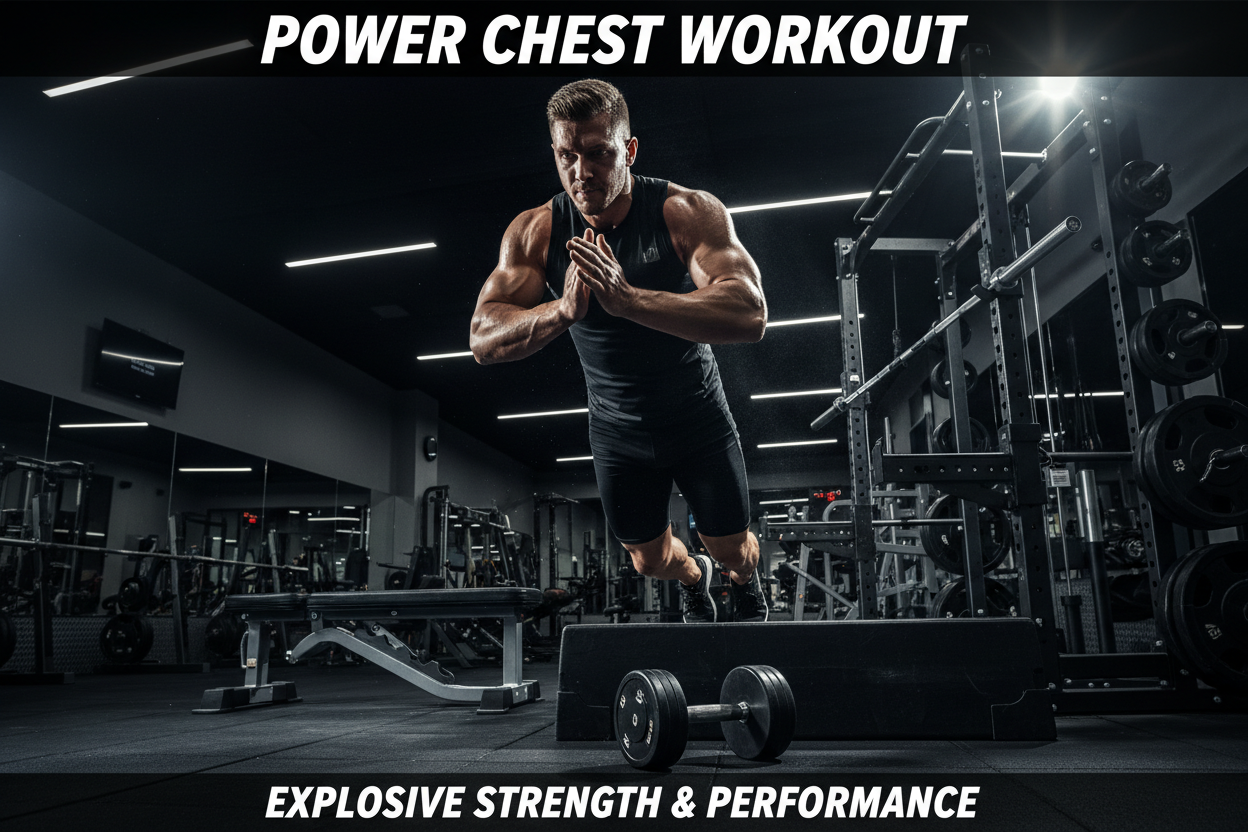
- Plyometric Push-Ups: Lower into a push-up and then drive up so your hands leave the floor. This develops reactive power in the pectoral muscles and triceps.
- Band-Resisted Bench Press: Attach resistance bands to the barbell for added tension at the top of the lift, mimicking the acceleration phases needed in sport.
Strength-Based Chest Workout Moves
Strength forms the base for athletic performance. Incorporating these into your routine ensures well-developed chest muscles and power output potential:
- Incline Barbell Bench Press: Targets upper chest and maintains shoulder stability, crucial for upward pushing motions common in sports like football and basketball.
- Weighted Dips: Build lower chest and triceps, improving overall pushing strength during competitive situations.
- Dumbbell Floor Press: Limits range at the shoulder and reinforces explosive lockouts without overstraining joints.
Chest Workout for Football Players and Contact Sports
Football players need both raw strength and the ability to sustain power through repeated collisions. Implementing explosive chest training alongside heavy lifts, like bench press variations, helps prepare muscles and joints for impact. Drills such as sled pushes and heavy banded presses can simulate the resistance encountered during tackles.
Best Chest Exercises for Athletes in General
Regardless of sport, certain exercises offer universal benefits:
- Dumbbell Bench Press with Rotational Finish – promotes pressing power while integrating rotational core strength.
- Push-Up Variations – from staggered hand to archer push-ups for stability and balance in chest activation.
- Landmine Press – excellent for athletes needing angled pressing work and shoulder-friendly movement patterns.
Programming an Athletic Chest Workout
To maximize results, structure your program to cycle between heavy lifting days and explosive, lighter load days. For example, one training day might focus on heavy bench presses, dips, and dumbbell presses, while another day emphasizes plyometric push-ups, medicine ball throws, and quick tempo movements. This balance allows for muscle growth without compromising speed and agility.
Personal Experience in Athletic Chest Training
During my time preparing for competitive basketball, I learned how essential it was to move beyond basic weight training. Incorporating medicine ball passes before practice improved my chest explosiveness for rebounds and shielded drives. The shift from static lifts to dynamic chest work noticeably increased my ability to absorb contact and quickly change direction when boxing out opponents.
Recovery and Injury Prevention
Explosive chest work puts significant strain on muscles, tendons, and joints. Recovery strategies like foam rolling, dynamic stretches, and proper post-workout nutrition are essential. Incorporating mobility drills such as shoulder dislocates and band pull-aparts can maintain the flexibility and resilience needed for high-level performance.
Final Thoughts
For athletes, a chest workout should be tailored to enhance explosive power, functional strength, and endurance. By blending traditional lifts with plyometric movements and sport-specific drills, athletes can prepare their upper body for both the demands of competition and long-term health. Whether you’re a football player, basketball guard, or swimmer, implementing these principles will ensure your chest training supports your athletic goals.