
At Home Gyms: Best Setups for Real Results (The Honest Truth)
You are tired of the commute, the waiting for equipment, and the monthly fees. You want to train on your own terms. But when you start searching for the at home gyms best suited for your specific goals, the sheer volume of options—from smart mirrors to heavy-duty power racks—can be paralyzing.
Building a sanctuary for strength isn't just about buying the most expensive gear; it's about matching equipment to your biomechanics and available square footage. Let's cut through the marketing noise and look at what actually builds muscle in a home environment.
Quick Summary: Choosing Your Setup
If you are in a rush, here is the core framework for selecting the right equipment based on training style and space:
- For Maximum Hypertrophy: A cable-based functional trainer or "Universal" style machine is superior for constant tension and isolation.
- For Strength & Power: A squat rack with a barbell and plates (free weights) is non-negotiable for compound movements.
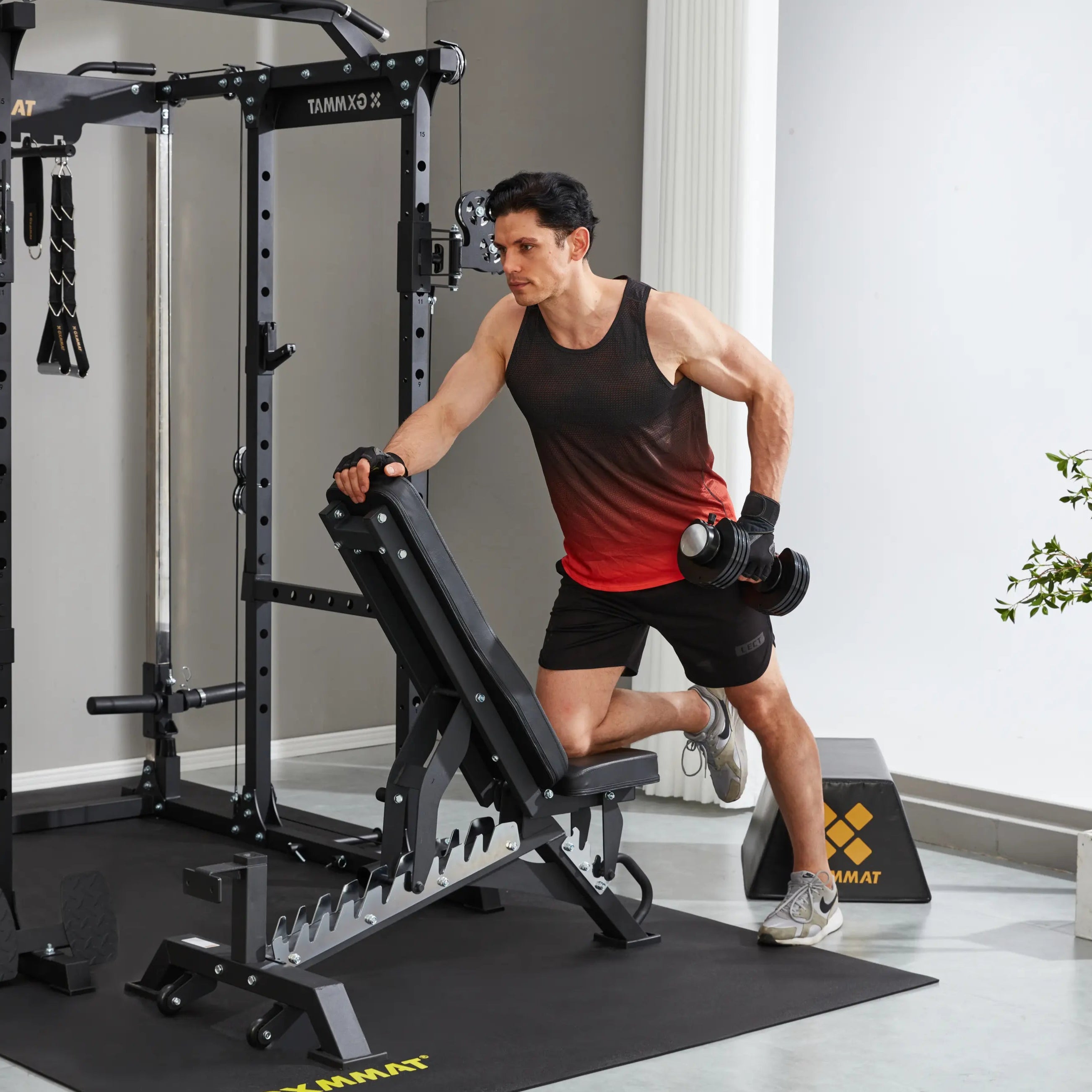
- For Small Spaces: Adjustable dumbbells and a heavy-duty adjustable bench offer the highest ROI per square foot.
- For Budget Builds: Focus on a quality barbell first; cheap bars bend and ruin lift mechanics.
Defining Your Iron Paradise: Free Weights vs. Machines
The first decision you must make is philosophical: do you want to stabilize the weight yourself, or do you want the machine to do it for you?
The Case for the Best Home Free Weight Gym
If your goal is raw strength, athletic transfer, or powerlifting, you need a setup centered around a barbell. The best home free weight gym forces your central nervous system to recruit stabilizer muscles that machines ignore.
However, the science of free weights dictates that you need safety measures. You cannot train to failure on a bench press alone in your basement without spotter arms. Therefore, a power rack is not a luxury; it is a safety requirement. Look for 3x3 inch steel uprights (11-gauge is the gold standard) to ensure the rig doesn't sway during heavy squats.
When a Machine is Superior
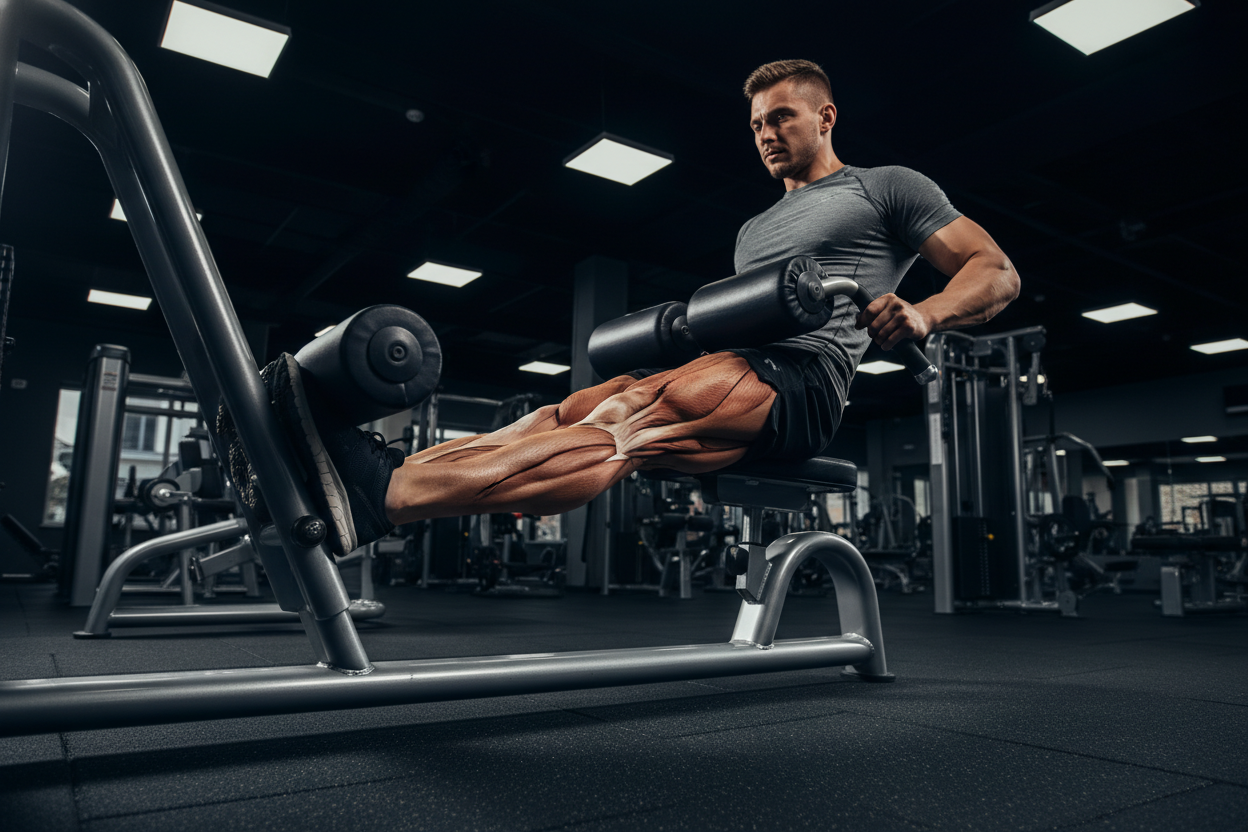
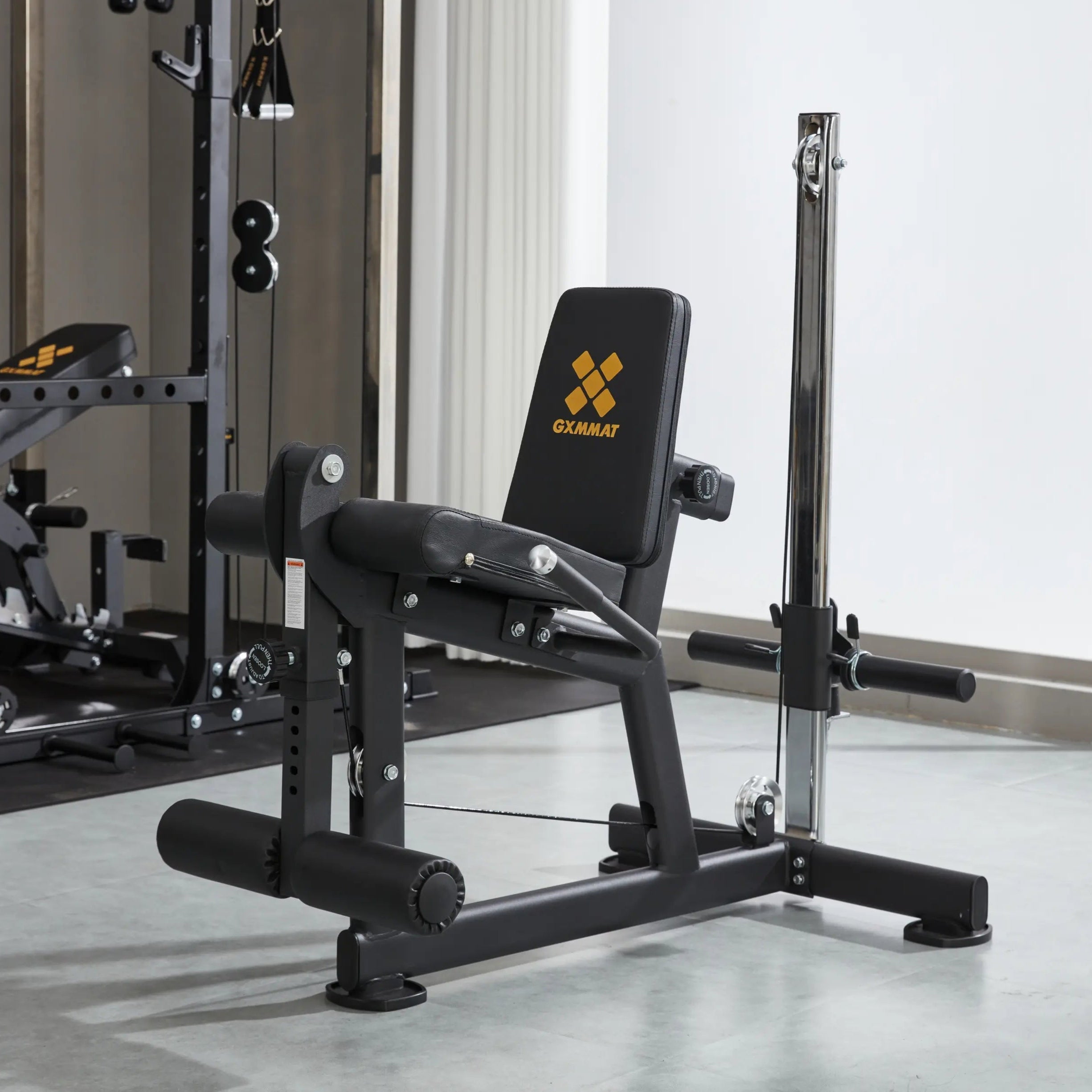
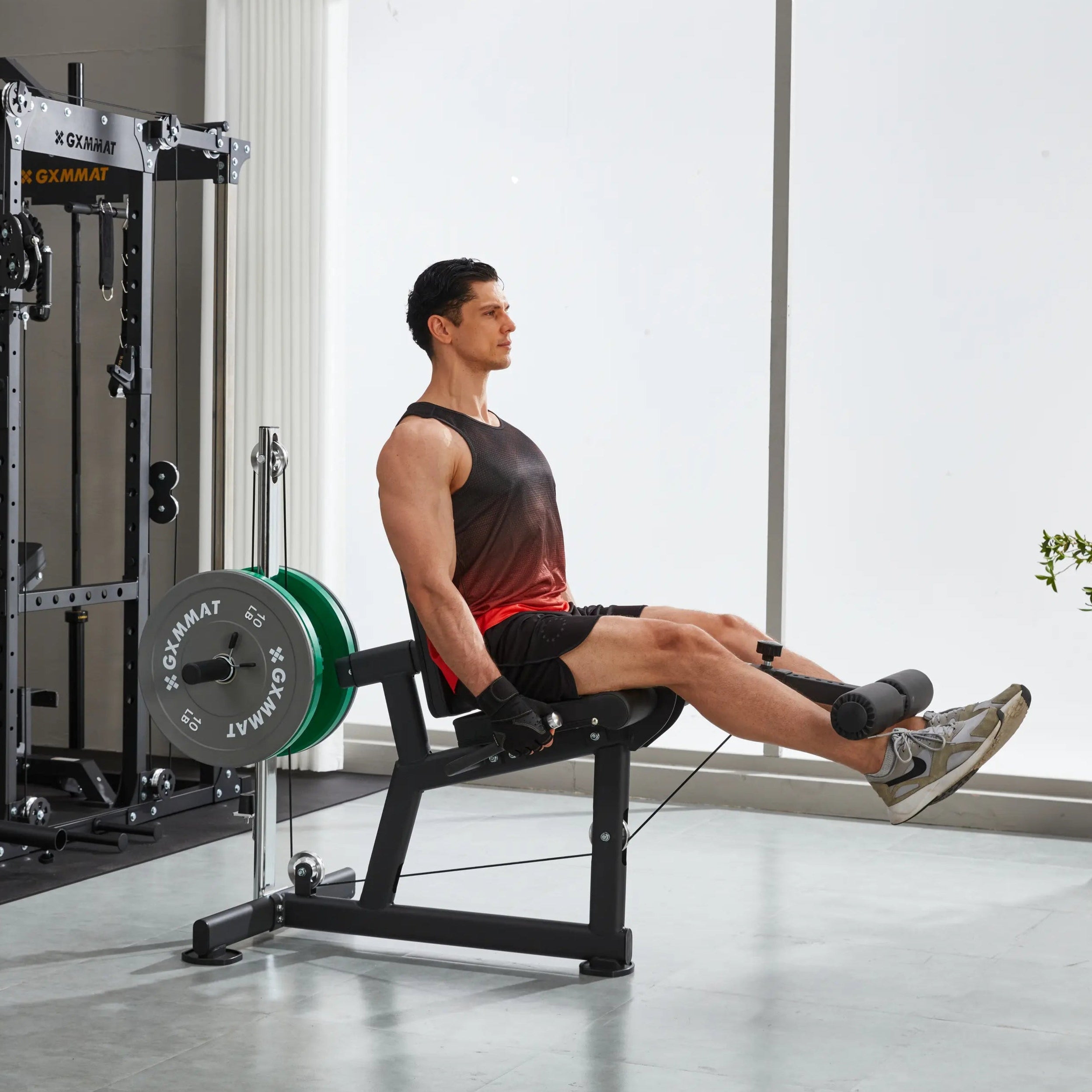
On the flip side, the best in home weight machine setups excel at metabolic stress and hypertrophy (muscle growth). Why? Because they allow you to isolate a muscle group without systemic fatigue.
If you have lower back issues or limited mobility, a machine stabilizes your body, allowing you to exert maximum force safely. High-quality selectorized machines (those with a weight stack) also allow for faster drop sets, which is difficult to do when you have to manually strip plates off a barbell.
The Return of the Universal Gym
Decades ago, the term "Universal Gym" referred to those multi-station behemoths found in high school basements. Today, the concept has evolved.
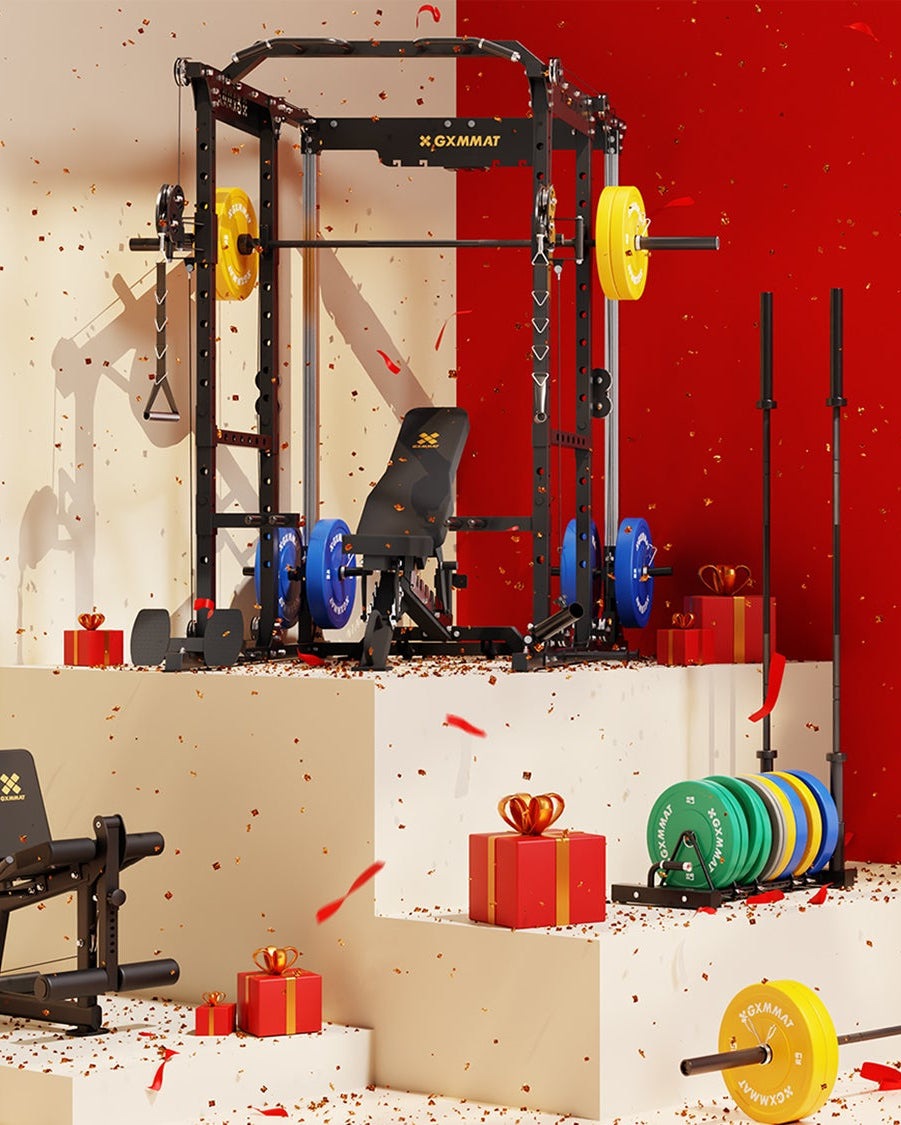
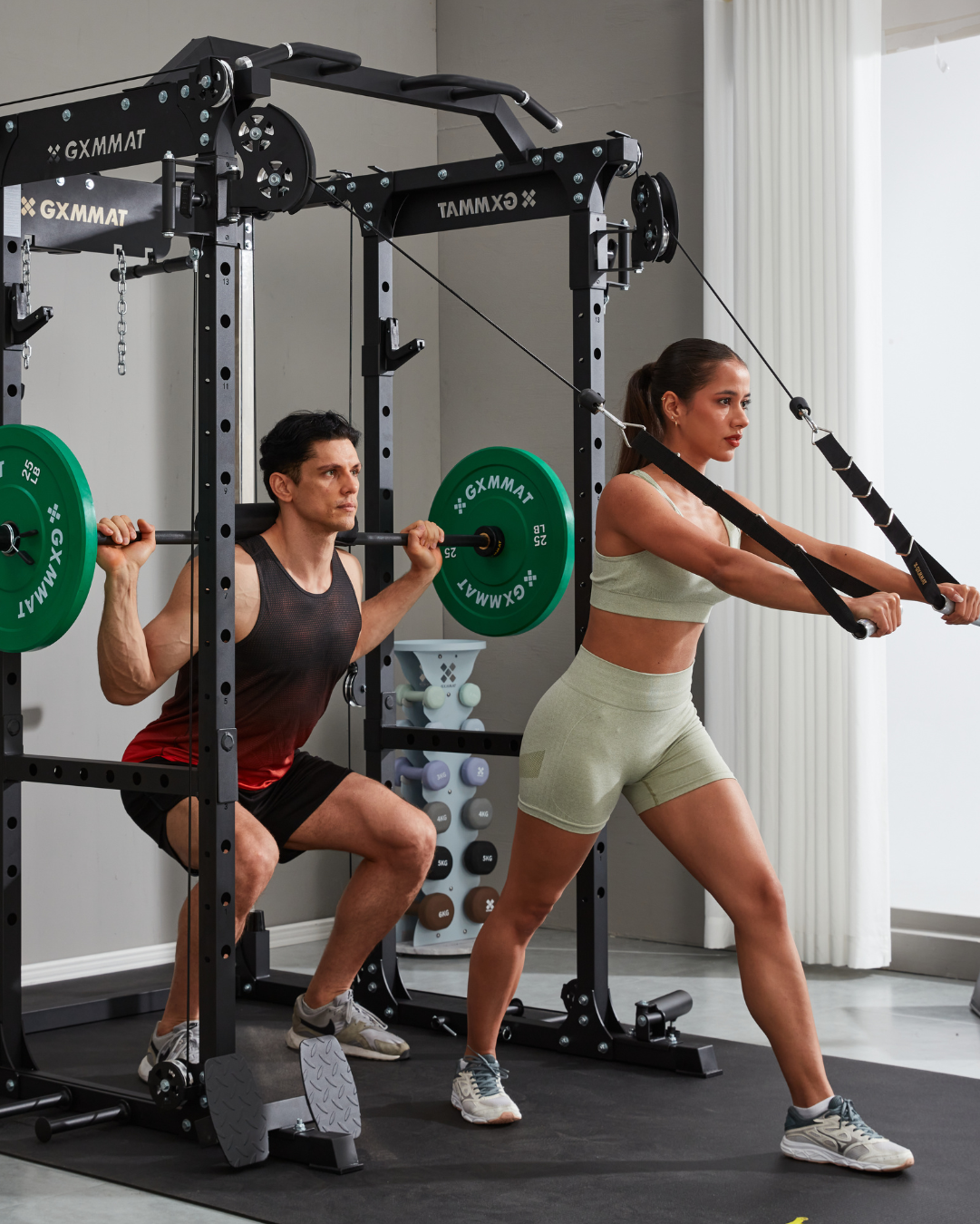
The best home universal gym in the modern era is usually a hybrid "All-in-One" trainer. These combine a Smith machine, a functional cable trainer, and a half-rack into a single footprint.
While these are space-savers, be wary of the pulley ratio. A 2:1 ratio (where 100lbs feels like 50lbs) is great for fast, explosive movements but might not provide enough resistance for heavy lat pulldowns or rows. If you are serious about heavy lifting, check the weight stack capacity before buying.
Which Home Gym is the Best for You?
So, which home gym is the best? The answer lies in your "friction points."
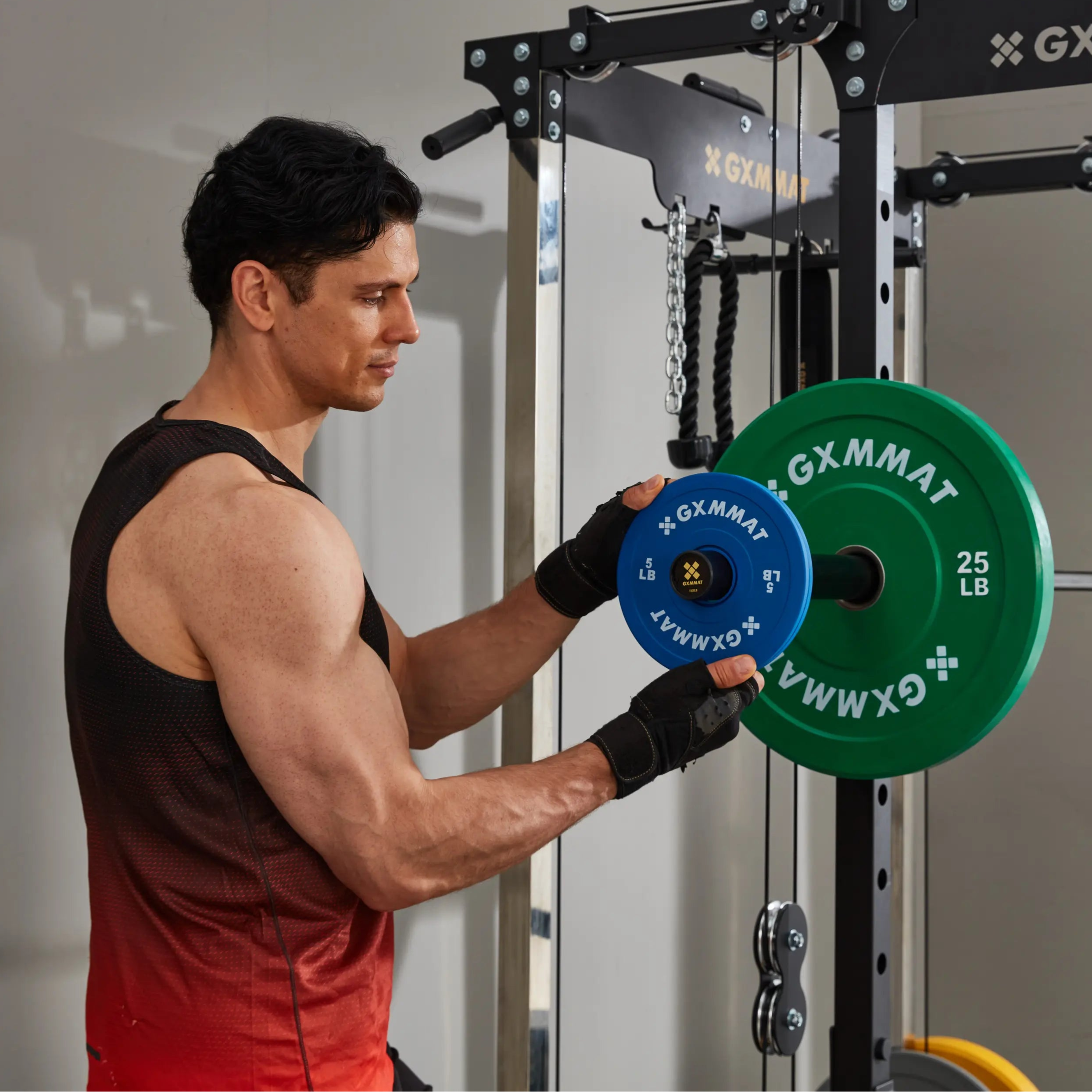
If you hate changing weight plates, a friction point is loading the bar. You will skip workouts because of it. In that case, a selectorized machine or adjustable dumbbells are your best bet. If you crave the feeling of heavy iron and the technical mastery of the squat, a machine will bore you to tears.
Don't buy for the person you wish you were. Buy for the lifter you actually are.
My Training Log: Real Talk
I want to share a specific detail about home gym equipment that specs won't tell you. A few years ago, I bought a mid-range cable crossover machine for my garage. On paper, it looked perfect.
But the first time I went to do a tricep pushdown, I felt it: drag. Cheap nylon pulleys and low-quality guide rods create a gritty friction that fights you on the way up and stutters on the way down.
It completely ruins the "mind-muscle connection" because you are fighting the mechanics of the machine rather than the weight. I also learned the hard way about knurling on cheap barbells. I bought a budget bar, and the knurling was so passive it felt like a smooth pipe once my hands got sweaty. I ended up having to chalk up for a 135lb warm-up just to keep my grip.
The lesson? Spend the money on the moving parts (bearings, pulleys, bushings) and the contact points (barbell knurling). You can save money on the static stuff like weight plates, but never skimp on the things you touch or move.
Conclusion
Building a home gym is an investment in your longevity. Whether you opt for a garage full of steel plates or a sleek, compact multi-station, consistency is the only metric that matters. Start with the essentials that fit your space, prioritize quality moving parts, and expand as you get stronger.
Frequently Asked Questions
Is a home gym actually cheaper than a membership?
Upfront, no. However, a quality home gym typically pays for itself within 2 to 3 years when you factor in membership fees, gas, and travel time. Furthermore, high-quality equipment (like rogue racks or iron plates) holds its resale value incredibly well, often retaining 70-80% of its value.
Do I need to bolt my power rack to the floor?
Ideally, yes. If you are lifting heavy or doing dynamic movements like kipping pull-ups, bolting it down is essential for safety. However, many modern "flat foot" racks are designed to be stable without bolting, provided you weigh them down with plate storage.
Can I build muscle with just dumbbells?
Absolutely. While barbells are superior for maximal strength, dumbbells are excellent for hypertrophy because they allow for a greater range of motion and fix muscle imbalances. You can build a physique with just an adjustable bench and a set of heavy adjustable dumbbells.