
Assisted Pullup Machine Explained: Is It Worth The Space?
Pull-ups are the gold standard for upper body strength, but they are notoriously difficult to master. If you are stuck at zero reps or plateauing on your back days, you aren't alone.
Entering the chat is the assisted pullup machine—a staple in commercial facilities that is rapidly making its way into North American garage and basement gyms. This guide will help you determine if this hefty piece of equipment is the missing link in your training or a space-wasting mistake.
Key Takeaways
- Progressive Overload: Allows you to dial in exact counterbalance weights to build strict pull-up strength.
- Space Requirements: Demands significant vertical clearance, typically requiring ceilings of 90 inches or higher.
- Dual-Functionality: Almost every unit doubles as an assisted dip station, maximizing its footprint.
- Home Gym Economics: Plate-loaded models offer massive savings and a smaller footprint compared to selectorized weight stack versions.
Decoding the Specs: Finding Your Perfect Fit
Weight Stack vs. Plate-Loaded
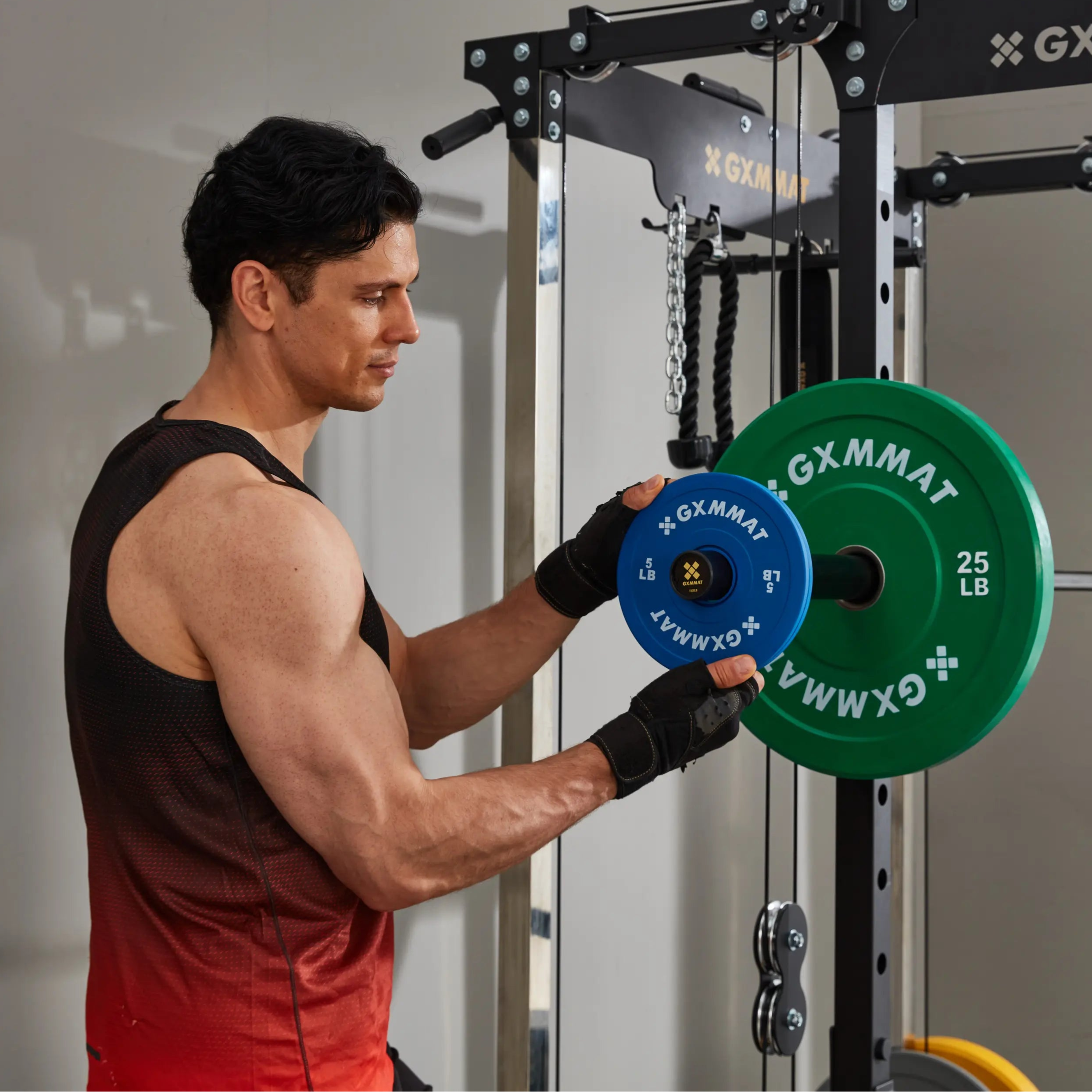
When shopping for an assisted machine, your first major decision is the resistance mechanism. Commercial-grade selectorized weight stacks are incredibly convenient for quick drop sets, but they are heavy, expensive, and difficult to move. For most home gym owners, a plate-loaded system is the smarter play. It utilizes the Olympic plates you already own, drastically cutting down on the purchase price and shipping weight.
Dimensions and Space Planning
The biggest hurdle to owning one of these units is the real estate it demands. Unlike a standard pull-up bar, you need to account for the machine's frame plus the clearance for your head at the top of the movement. Most units sit between 82 and 90 inches tall. If you are outfitting a basement gym, measure carefully—you will likely need at least 96 inches of total vertical clearance so you don't smash your head against the joists.
Training Application: Beyond the Basics
Perfecting Your Form
The beauty of this equipment lies in its strict movement path. Unlike resistance bands, which provide uneven assistance (most help at the bottom, least at the top), this machine provides linear, consistent support throughout the entire range of motion. This allows you to focus purely on lat engagement and scapular retraction without swinging or using momentum.
Integrating It Into Your Routine
If you have ever used an assisted pull up machine gym setup, you know it is highly versatile. Beyond standard wide-grip pull-ups, you can perform close-grip chin-ups, assisted triceps dips, and even single-leg pushdowns for glute isolation. It is an excellent secondary movement after heavy rows or deadlifts.
From Our Gym: Honest Take
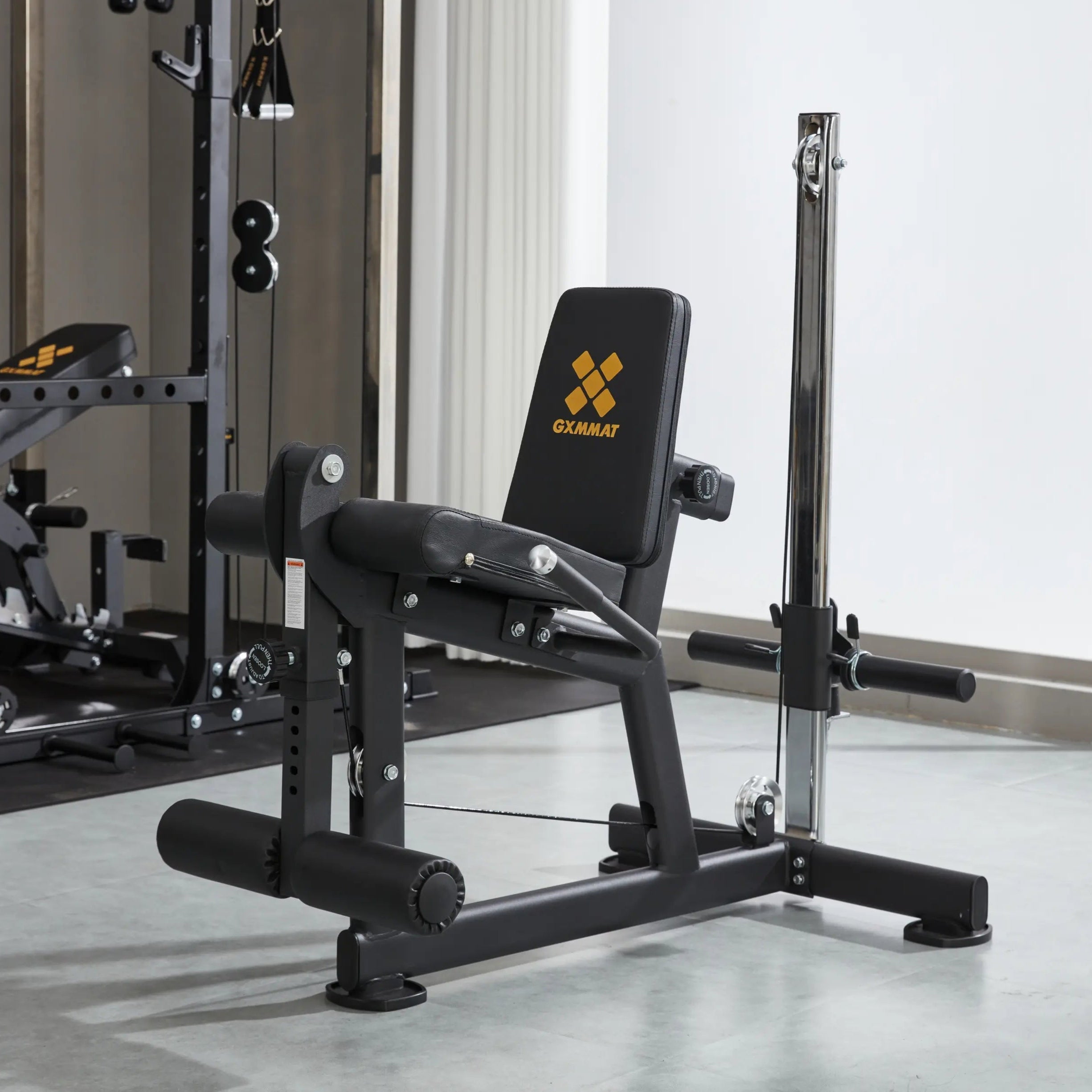
I have tested everything from heavy-duty resistance bands to high-end commercial rigs. When we installed a plate-loaded assisted pullup machine in our garage gym last winter, the biggest surprise wasn't the back gains—it was the absolute stability. The 11-gauge steel frame did not budge, even when my 220lb training partner was grinding through heavy dip sets. The knee pad tracking was buttery smooth right out of the box. However, I'll be completely honest: the footprint is large. It takes up about as much floor space as a functional trainer. If you are working with a tight one-car garage, you might have to choose between this and a dedicated lat pulldown tower.
Frequently Asked Questions
Is an assisted pullup machine worth it for a home gym?
If building upper body strength is a primary goal, or if multiple people with varying fitness levels use your gym, it is absolutely worth it. It provides a safe, scalable way to train pull-ups and dips without relying on spotters.
How much space do I need?
Plan for a footprint of roughly 45 by 55 inches, and an absolute minimum ceiling height of 90 to 96 inches. Always factor in your own height plus the machine's top bar.
Can I just use resistance bands instead?
Bands are a great budget alternative, but they alter the strength curve by giving you the most help at the bottom of the rep and almost none at the top. A dedicated machine provides consistent assistance through the entire movement, which is superior for building strict strength.