Arm Pull Machine Gym Mastery: What to Know Before You Buy
If you are building a home gym, you already know the struggle: barbells and dumbbells are great, but replicating heavy, vertical back workouts is notoriously difficult. You might be eyeing an arm pull machine gym addition to finally hit those lats properly. But with limited garage space and budgets to balance, is it the right move? This guide breaks down exactly what you need to know before bringing a cable or plate-loaded pull machine into your home.
Key Takeaways
- Space requirements: Most standalone pull machines require at least 84 inches of ceiling clearance.
- Resistance types: Choose between budget-friendly plate-loaded models or premium selectorized weight stacks.
- Versatility: A high/low pulley system allows for lat pulldowns, seated rows, and triceps pressdowns.
- Maintenance: Aluminum pulleys with sealed bearings offer the smoothest, longest-lasting pull.
Choosing the Right Resistance System
When evaluating this equipment, the resistance mechanism dictates both the price and the footprint.
Plate-Loaded vs. Weight Stacks
Plate-loaded machines are the heroes of budget home gyms. If you already own a set of Olympic bumper plates, these machines offer incredible value. However, selectorized weight stacks provide that commercial gym convenience, allowing for rapid drop sets and seamless transitions. Expect to pay a premium for a dedicated weight stack, but the time saved during a grueling workout is often worth it.
Mastering the Mechanics
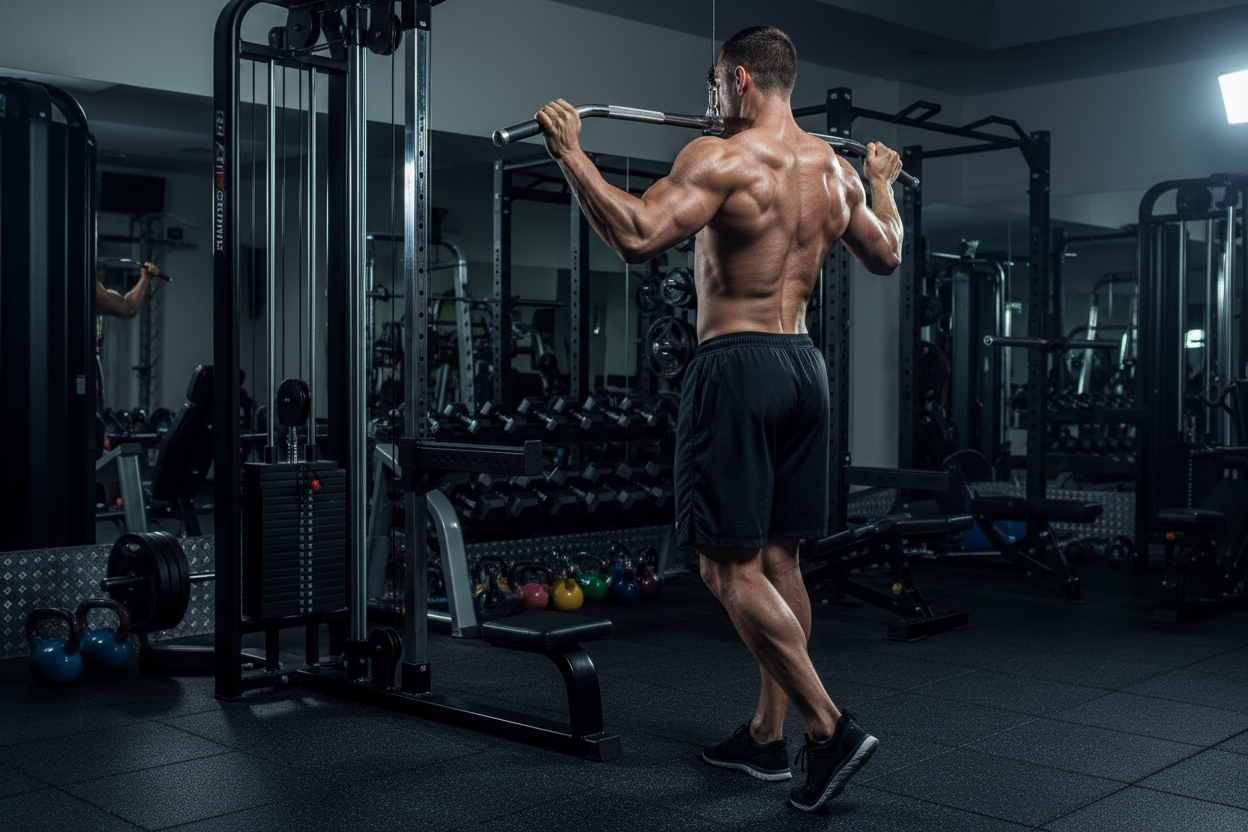
People often ask about the specific exercise machine where you pull down—traditionally known as a lat pulldown machine. While it seems straightforward, proper execution separates decent results from exceptional back development.
Perfecting Your Form
If you are wondering how to use pull machine at gym or home setups effectively, the secret lies in the scapula. Before your arms even bend, initiate the movement by pulling your shoulder blades down and back. Keep your chest proud, drive your elbows toward the floor, and avoid using momentum to swing the weight. A quality machine will offer adjustable thigh pads to lock you in place during heavy sets.
From Our Gym: Honest Take
We have tested over a dozen cable towers and standalone pulldowns in our facility. Recently, I spent three months running a popular plate-loaded model in my own two-car garage. At 6-foot-1, my biggest gripe with budget models is always the cable travel—I usually bottom out the weight before getting a full stretch. Thankfully, modern mid-tier models have improved their track length.
One caveat: the stock nylon pulleys on most sub-$500 machines are okay, but they tend to drag under loads exceeding 150 pounds. I strongly recommend upgrading to aluminum pulleys if your budget allows. It completely changes the friction curve, making a garage gym piece feel like a commercial unit.
Frequently Asked Questions
What is the exercise machine where you pull down called?
It is universally known as a lat pulldown machine. It utilizes a high pulley system to target the latissimus dorsi, biceps, and rear deltoids.
Is an arm pull machine worth the floor space?
If back development is a priority, yes. While pull-ups are excellent, a dedicated cable machine allows for targeted isolation, variable grips, and constant tension that free weights simply cannot replicate.
How much vertical clearance do I need?
Always measure twice! Most standard home gym pull machines require between 82 and 86 inches of ceiling clearance. If you are in a low-ceiling basement, look for compact or seated-only variations.
How do I maintain the cables?
Wipe down the guide rods monthly with a dry microfiber cloth and apply a 100% silicone lubricant. Inspect the cable coating for fraying every few months to ensure safe operation.