Arm Equipment at the Gym: The Definitive Hypertrophy Guide
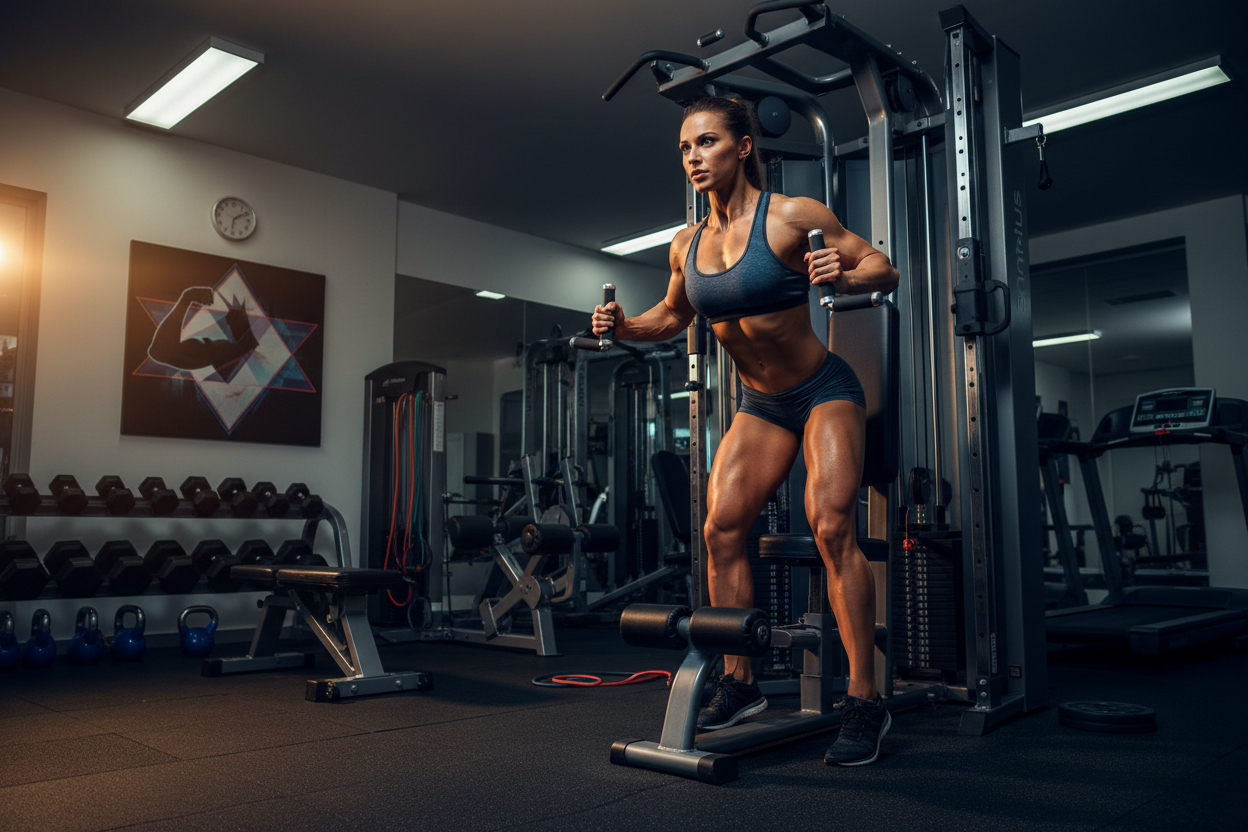
Walking onto the fitness floor can feel overwhelming. You see rows of sleek metal contraptions, pulleys, and stacks of weights, all promising different results. If your goal is sleeve-splitting biceps and horseshoe triceps, navigating the arm equipment at the gym is the most efficient way to isolate those muscles safely.
Many lifters cling to dumbbells exclusively, thinking machines are "cheating." That is a mistake. Machines provide stability and constant tension that free weights simply cannot match due to gravity's vertical nature. Whether you are looking for an arm workout with gym equipment to finish your session or a dedicated machine-only routine, understanding these tools is the key to growth.
Key Takeaways
- Preacher Curl Machine: Best for isolating the biceps by eliminating body sway and momentum.
- Cable Towers: Essential for constant tension throughout the entire range of motion (both concentric and eccentric).
- Assisted Dip Machine: A compound movement that acts as a primary mass builder for triceps.
- Tricep Press Machine: Safest option for heavy loading without stressing the elbow joints excessively.
- Tempo Matters: On machines, controlling the negative (lowering) phase is where the real muscle tearing and repair happens.
Why Prioritize Machines for Arm Growth?
Before we look at specific tools, understand the why. When you curl a dumbbell, the tension varies. At the top of the movement, the tension often drops off completely. Machines use cams and pulley systems to ensure the weight feels heavy at every inch of the rep.
This is crucial for hypertrophy (muscle growth). By stabilizing your torso, push gym machines and curl stations force the target muscle to do 100% of the work, rather than relying on your lower back or shoulders to swing the weight up.
The Bicep Builders: Isolation and Peak
The Preacher Curl Machine
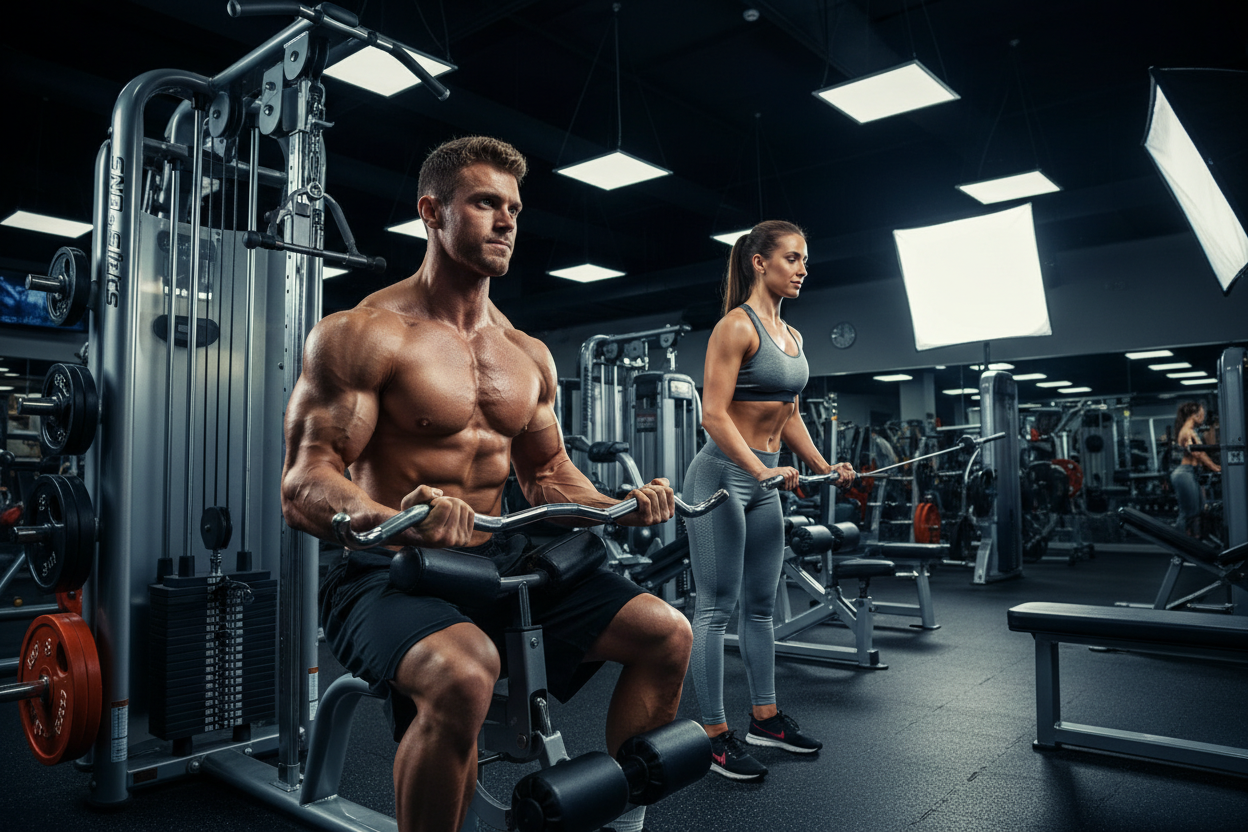
This is the king of isolation. By locking your upper arms against a padded surface, you physically cannot cheat. The machine forces a strict range of motion.
The Technique: Adjust the seat so your armpits fit snugly over the pad. Don't sit too low, or you will strain your shoulders. Focus on the squeeze at the top. Unlike free weights, the machine keeps resistance on the bicep even at the peak contraction.
Cable Stack Curls
While not a seated machine, the cable tower is a vital piece of arm equipment at the gym. Cables offer a unique resistance curve. You can perform face-away curls, rope hammer curls, or single-arm bayesian curls. The cable ensures that the muscle is under tension from the very first inch of the pull.
The Tricep Terrors: Mass and Definition
The Tricep Press Machine
Often overlooked, this seated machine mimics a dip but removes the stability requirement of your core. This allows you to load the triceps significantly heavier than you could with bodyweight.
Pro Tip: Keep your elbows tucked in. Flaring them out shifts the tension to your chest and shoulders, defeating the purpose of the exercise.
Cable Pushdowns
This is the bread and butter of arm training. Using the cable station with a rope or straight bar attachment targets the lateral and long heads of the tricep. It is arguably the most versatile movement in your arsenal.
Compound Movements: The Back and Arm Connection
You don't always need to isolate. Some of the best growth comes from heavy compound movements using back and arm workout machine options.
Assisted Pull-Up and Dip Machine
This dual-purpose station is incredible for volume. The assisted dip targets the triceps heavily, while the assisted chin-up (palms facing you) is a massive bicep builder. Because you can adjust the counterweight, you can push past failure safely, making it ideal for dropsets.
Seated Row Machines
While primarily for the lats, arm and back machines at the gym like the seated row engage the biceps heavily as secondary movers. If you perform a row with a supinated (underhand) grip, you turn a back exercise into a serious bicep thickening movement.
Arm Machine Workouts for Beginners
If you are new to the gym, keep it simple. You don't need complex supersets yet. Focus on feeling the muscle contract.
The Routine:
- Machine Preacher Curl: 3 sets of 12-15 reps (Focus: Biceps)
- Tricep Press Machine: 3 sets of 12-15 reps (Focus: Triceps)
- Cable Rope Hammer Curls: 3 sets of 15 reps (Focus: Brachialis/Forearm)
- Cable Tricep Pushdowns: 3 sets of 15 reps (Focus: Tricep Lateral Head)
Rest for 90 seconds between sets. Do not slam the weight stack; control the release.
My Training Log: Real Talk
Let’s get specific about the reality of these machines. I’ve spent years grinding on standard commercial gym gear, and there is one thing the manuals don’t tell you: the friction points.
There is an older Life Fitness cable stack at my local gym—the one with the frayed rubber stopper. I use it for single-arm tricep extensions. The issue? The guide rods are slightly bent near the bottom. Every time I extend my arm, there’s a subtle "hitch" or wobble in the cable right before lockout.
Technically, it’s annoying. But practically? It actually forced me to slow down my concentric tempo to navigate that bumpy spot smoothly. That accidental grit in the machine forced me to stop jerking the weight and actually control it. Sometimes, the "imperfect" equipment teaches you better discipline than the brand-new, friction-free gear. Don't avoid the beat-up machine in the corner; sometimes it has the best resistance curve.
Conclusion
Building impressive arms doesn't require a rack of dumbbells or a spotter. By intelligently using the arm equipment at the gym, you can apply safe, consistent, and heavy loads to your biceps and triceps. Whether you are using a dedicated preacher curl station or a versatile cable stack, the goal remains the same: control the weight, squeeze the contraction, and ignore the ego.
Frequently Asked Questions
Can I build big arms using only machines?
Absolutely. Your muscles do not know the difference between a dumbbell and a machine; they only detect tension. Machines often allow for greater isolation and mechanical tension, which are primary drivers of hypertrophy (muscle growth).
What is the best machine for "flabby" arms?
To tighten the back of the arms (triceps), the Cable Tricep Pushdown or the Assisted Dip Machine are most effective. However, remember that "toning" is a result of building muscle while reducing body fat through nutrition.
How often should I train arms with machines?
Since machines cause less systemic fatigue and joint stress than heavy free weights, you can typically train arms more frequently. A frequency of 2 to 3 times per week is effective for most lifters, provided you allow at least 48 hours of recovery between sessions.