Arm Bicycle Explained: Transforming Your Upper Body Cardio
If you are dealing with a lower-body injury, looking to break through a cardio plateau, or simply searching for a low-impact way to torch calories, you might be missing a crucial piece of equipment. Enter the arm bicycle. Often overlooked in favor of traditional treadmills or spin bikes, an arm bike provides a phenomenal upper-body burn while keeping joint stress to an absolute minimum.
In this guide, we will break down exactly how this unique piece of equipment can elevate your home gym setup, what to look for when shopping, and how to program it for maximum results.
Key Takeaways
- Arm bicycles (often called upper body ergometers) deliver intense, low-impact cardiovascular training.
- You can choose between highly portable tabletop models or full-size stationary bikes with moving arms.
- They are exceptional for rehabilitation, senior fitness, and isolating the shoulders, chest, and back.
- Stability and resistance type (friction vs. magnetic) are the two most critical factors when shopping for an arm bike for home.
Choosing the Right Arm Bicycle Machine
Compact vs. Full-Body Models
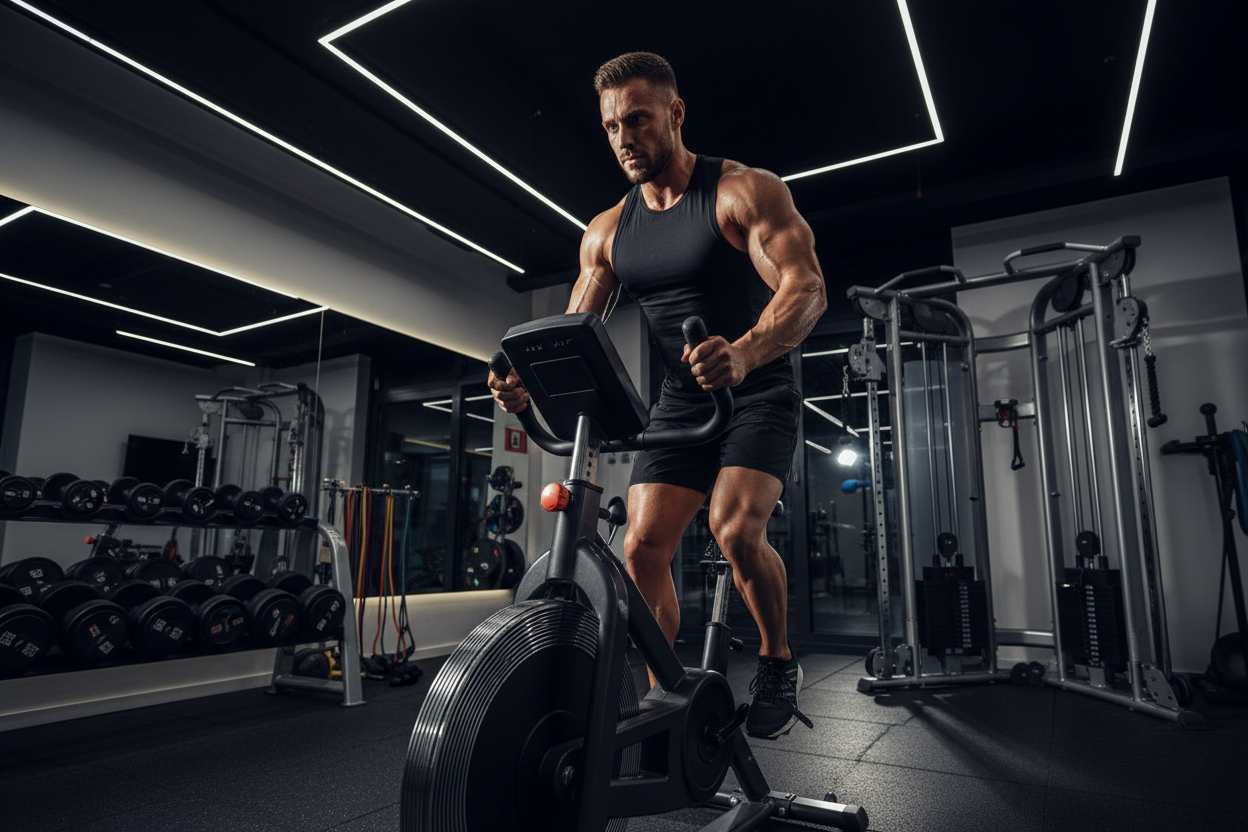
When shopping for an arm bike for sale, you generally have two paths. The first is the dedicated arm bike tabletop model, often called an arm pedal machine. These are highly portable, allowing you to place them on a desk or table to isolate the upper body. The second option is an exercise bicycle with moving arms (think traditional air bikes or an exercise bike with handles that move). These dual-action machines provide a full-body workout, though they require significantly more floor space.
Resistance Types and Build Quality
Whether you are looking at a simple bicycle for arms or a robust commercial shoulder bike machine, the resistance mechanism dictates your workout quality. Magnetic resistance offers a silent, smooth arm cycle workout and requires zero maintenance. Friction resistance is common on budget models but can be noisy and wear out over time. If you want a stationary bike with arm workout capabilities, prioritize a heavy flywheel to prevent jerky movements during your arm cycling exercise.
The Ultimate Arm Bike Workout
Targeting the Upper Body
An arm bicycle exercise doesn't just elevate your heart rate; it heavily recruits your deltoids, biceps, triceps, and lats. If you use an exercise bike with arm motion, you can actively push and pull the handles to distribute the load across your chest and upper back. For a pure arm cycle exercise, maintaining an upright posture and bracing your core is essential to prevent lower back strain.
Programming Your Arm Cycle Exercise
For a brutal cardio finisher, try 30-second all-out sprints on your arm cycle machine followed by 30 seconds of rest, repeated for 10 rounds. If you are using a bike and arm machine for endurance, steady-state sessions of 20 to 30 minutes at a moderate resistance will significantly improve your aerobic base without taxing your leg muscles.
Space Planning for Your Home Gym
One of the biggest advantages of a stationary arm bike is its footprint. Tabletop models can literally slide under a bed or sit on a shelf when not in use. However, if you opt for an exercise bike with back support and arm workout features (like a recumbent dual-action bike), you will need roughly a 6-foot by 3-foot clearance. Always measure your available space, and remember that an exercise bike moving handles requires extra lateral clearance so your elbows do not hit the wall during an intense arm bike machine workout.
From Our Gym: Honest Take
We have tested dozens of cardio machines in our facility, and the arm cycle exercise machine is always the unsung hero. Personally, I spent two months exclusively using an arm bike machine after a minor knee surgery. I set up a heavy-duty tabletop model on a plyo box in my garage gym. Here is the honest truth: the calorie burn is humbling, but stability is a real issue with cheaper models.
During heavy arm cycling sprints, my lightweight unit would slide across the table. I highly recommend placing a grippy rubber yoga mat underneath your arm exercise cycle to keep it anchored during intense sessions. Also, grip ergonomics matter—look for an exercise bike with handles that allow for both overhand and neutral grips to save your wrists from unnecessary strain.
Frequently Asked Questions
Can I get a good cardio workout from an arm bike?
Absolutely. An arm bike exercise forces your heart to pump blood to your upper extremities against gravity, which requires significant cardiovascular effort. It is a highly effective stationary bike for arms that can rival the calorie burn of jogging.
What is the difference between an arm cycle and a stationary bike with moving arms?
An arm cycle (or upper body ergometer) is powered exclusively by your hands and is often a tabletop unit. An exercise bike that works arms and legs features traditional foot pedals connected to moving handles, allowing for synchronized dual-action movement.
Do exercise bikes with moving handles build muscle?
While an exercise bike with moving handles is primarily designed for cardiovascular endurance, the constant pushing and pulling against heavy resistance will build muscular endurance and tone in your shoulders, chest, and back.