Are weightlifting classes for beginners actually worth $200?
I was scrolling through a local neighborhood group recently and saw a foundation workshop advertised for $225 a month. That is more than my first truck payment. It is incredibly easy to get sucked into the hype of high-end boutique studios with their neon lights and curated playlists, but if you are hunting for weightlifting classes for beginners, you need to know what you are actually paying for. Is it real coaching, or are you just paying a premium to sweat in a room full of strangers?
- Boutique 'strength' classes are often just high-intensity cardio with light weights.
- A real lifting class should prioritize rest periods and technique over calorie burning.
- Large group sizes make it nearly impossible for a coach to fix dangerous form issues.
- The cost of a three-month membership can fully outfit a basic, effective home gym.
Wait, Are You Actually Lifting or Just Doing Cardio?
Most 'strength' classes in major cities are just HIIT sessions in disguise. You walk in, the lights are dimmed, and a coach with a headset tells you to do 30 reps of everything. That isn't strength training; that's a calorie burn. If you are looking for weightlifting classes for beginners, you shouldn't be jumping over boxes until your lungs burn. You should be learning how to root your feet into the floor and create tension.
I have seen studios that basically just run you through a circuit of weight lifting machines and tell you to push until the timer beeps. While machines have their place for hypertrophy, they don't teach you the stabilizing mechanics required for real-world strength. If the class doesn't involve a barbell, a kettlebell, or a heavy dumbbell—and the time to actually rest between sets—it's just a cardio class with extra steps.
Real strength training is about the central nervous system. It requires focus and specific recovery intervals. If you are breathing so hard you can't hold a conversation, you aren't building maximum strength; you're just testing your aerobic capacity. Don't let a fancy towel service distract you from the fact that you aren't actually getting stronger.
What a Solid Weight Lifting Class for Beginners Should Deliver
A legitimate weight lifting class for beginners needs to be slow, bordering on boring. If the instructor is rushing you through a warm-up to get to the 'meat' of the workout, they are failing you. A good coach spends the first twenty minutes talking about bracing—how to create internal pressure so your spine doesn't resemble a wet noodle when you pick something up.
You should be mastering the hip hinge with a PVC pipe or a broomstick before you ever touch a 45-pound bar. The hallmarks of a quality program include a coach-to-student ratio of no more than 1:8. Any more than that, and you are just a face in a crowd. You want eyes on your lumbar spine during every single set of deadlifts to ensure you aren't rounding out.
The curriculum should focus on the 'Big Four': the squat, the deadlift, the overhead press, and the bench press. These movements provide the most bang for your buck. A coach should be correcting your grip width, your foot angle, and your eye gaze. If they are just shouting 'You got this!' instead of 'Keep your elbows tucked,' you are overpaying for a cheerleader.
The Big Problem With Learning to Lift in a Crowd
The biggest danger of the 'herd' mentality in a studio is the clock. When there is a giant red timer on the wall, people stop caring about their form and start caring about beating the person in the next rack. In a room of 20 novices, a single coach cannot possibly see that your knees are caving on your third set of squats. You might finish the class feeling like a hero because you 'survived,' but you are actually just engraving bad motor patterns.
Those bad habits are a nightmare to break later. I've seen guys who spent a year in group classes who still can't hit depth on a squat because they were never taught how to open their hips. The pressure to keep up with the class pace leads to 'ego lifting,' where you add weight to the bar before you have the stability to handle it. In a solo or small-group setting, that doesn't happen.
Teaching Yourself at Home vs. Paying for a Studio
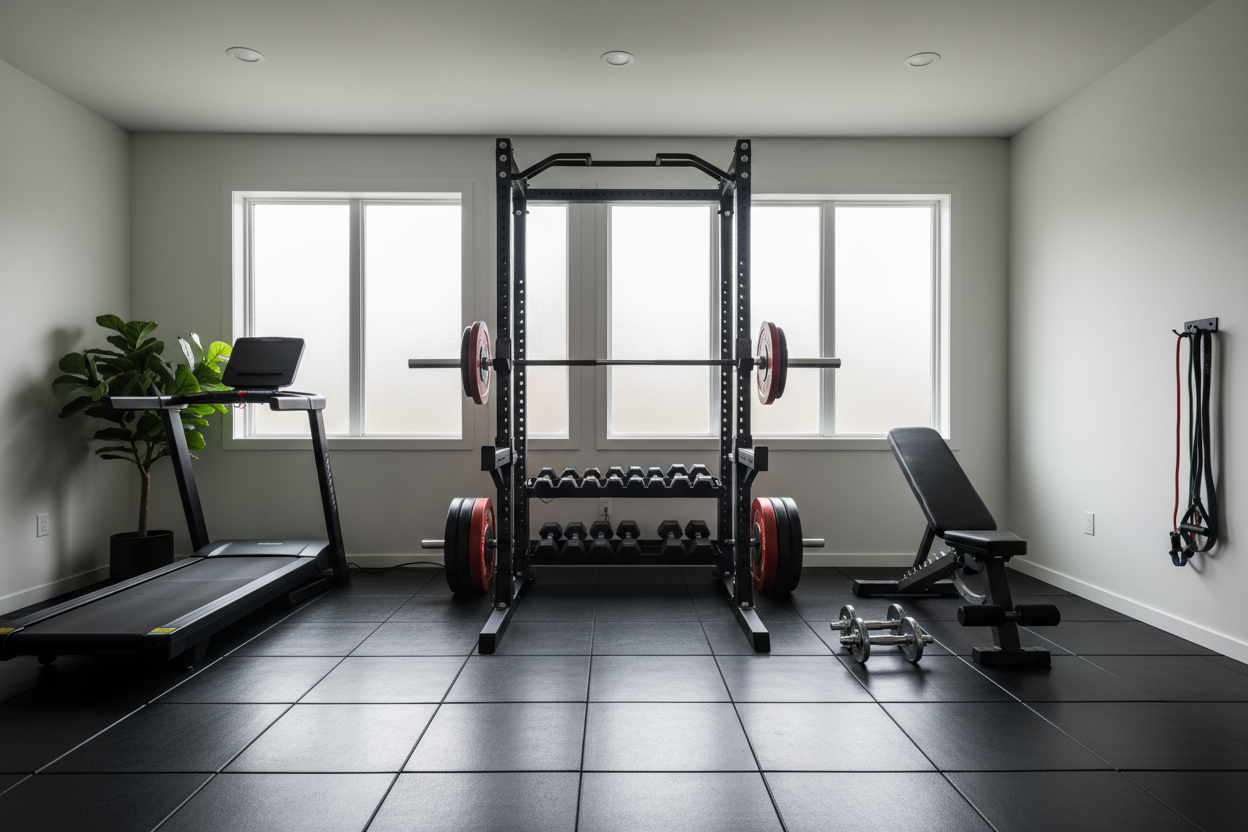
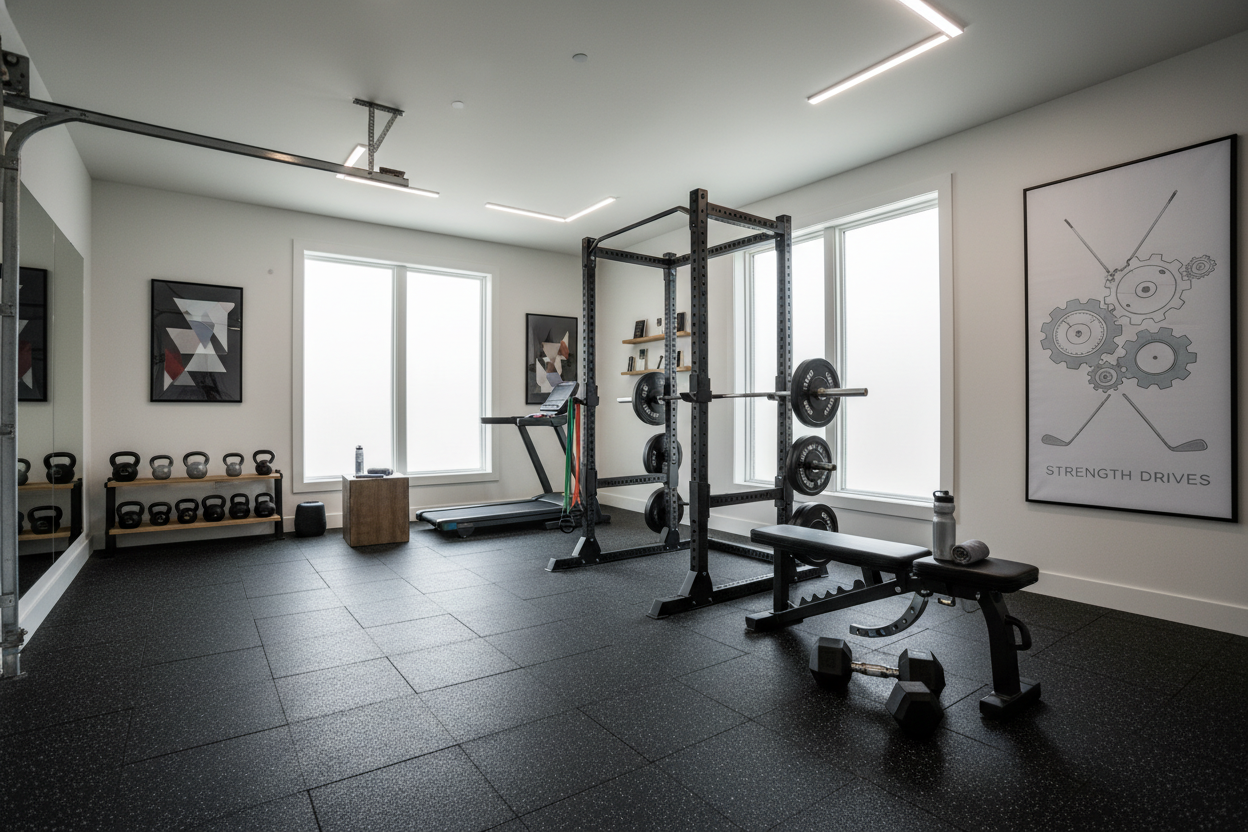
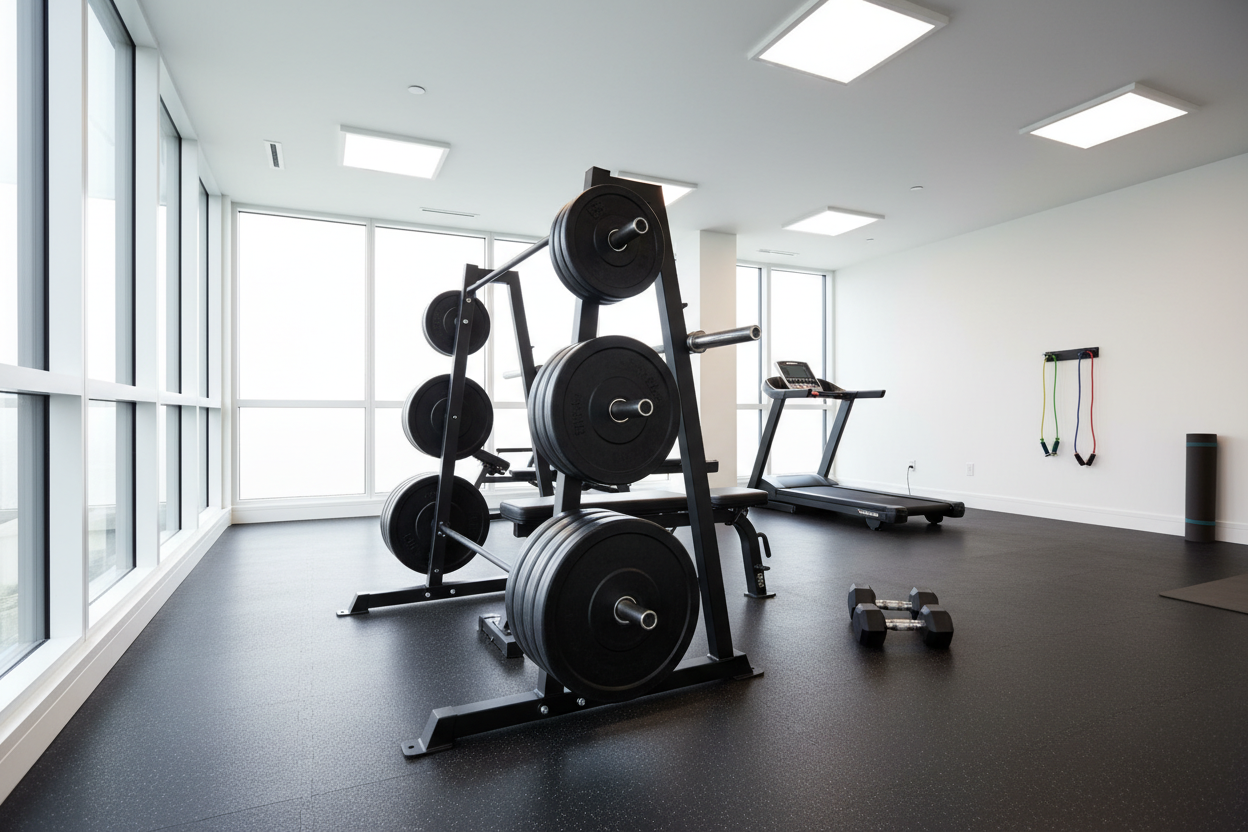
Let’s look at the math. A high-end studio membership is easily $200 a month. Over three months, you have spent $600. For that same $600, you could buy a high-quality barbell, a couple of bumper plates, and a Gxmmat Adjustable Weight Bench for your garage. You are essentially trading three months of 'vibes' for a lifetime of equipment ownership.
You might wonder: Are Barbells Actually Required for a Beginners Weight Lifting Plan? Not on day one. You can start with a pair of adjustable dumbbells and a solid floor mat in your living room and get 90% of the results. Training at home removes the performance anxiety of a crowded class and allows you to record your sets on your phone to check your own form against pro tutorials.
There is also the 'distraction factor.' In a studio, you are dealing with loud music, people dropping weights unnecessarily, and the general chaos of a commercial space. In your garage, it is just you and the iron. That focus is where the real gains are made. You can take the five-minute rest you actually need without feeling like you are 'wasting time' in a scheduled class block.
So, Should You Swipe Your Credit Card?
If you are the type of person who will absolutely never work out unless someone is holding a clipboard and staring at you, then maybe the $200 is a necessary 'tax' on your health. Accountability is worth something. But if you actually want to learn the skill of strength, you are better off investing that money into a basic home setup and a few sessions with a dedicated personal trainer who can watch your form 1-on-1.
The verdict? Most beginner classes are overpriced social clubs. You are paying for the community and the atmosphere, not the technical expertise. Stop Overthinking Weight Lifting Training Programs for Beginners and realize that the most effective plans are usually the simplest ones. Grab some weights, find a quiet space, and start moving.
How do I know if a class is actually teaching me form?
If the coach spends more time talking about 'the burn' than they do about your joint alignment, it is a cardio class. A good coach will physically move your limbs into the right position or give you specific cues like 'tear the floor apart with your feet.'
Is $200 a month standard for lifting classes?
In major cities, yes. It covers the rent, the lighting, and the front desk staff. You aren't just paying for the coaching; you're paying for the overhead of a retail space. You can usually find a 'black iron' gym for half that price.
Can I really learn to lift safely via YouTube?
Yes, provided you film yourself. Use your phone to record your sets from the side and compare them to reputable coaches online. It takes more discipline, but it's how many of the strongest people in the world started.