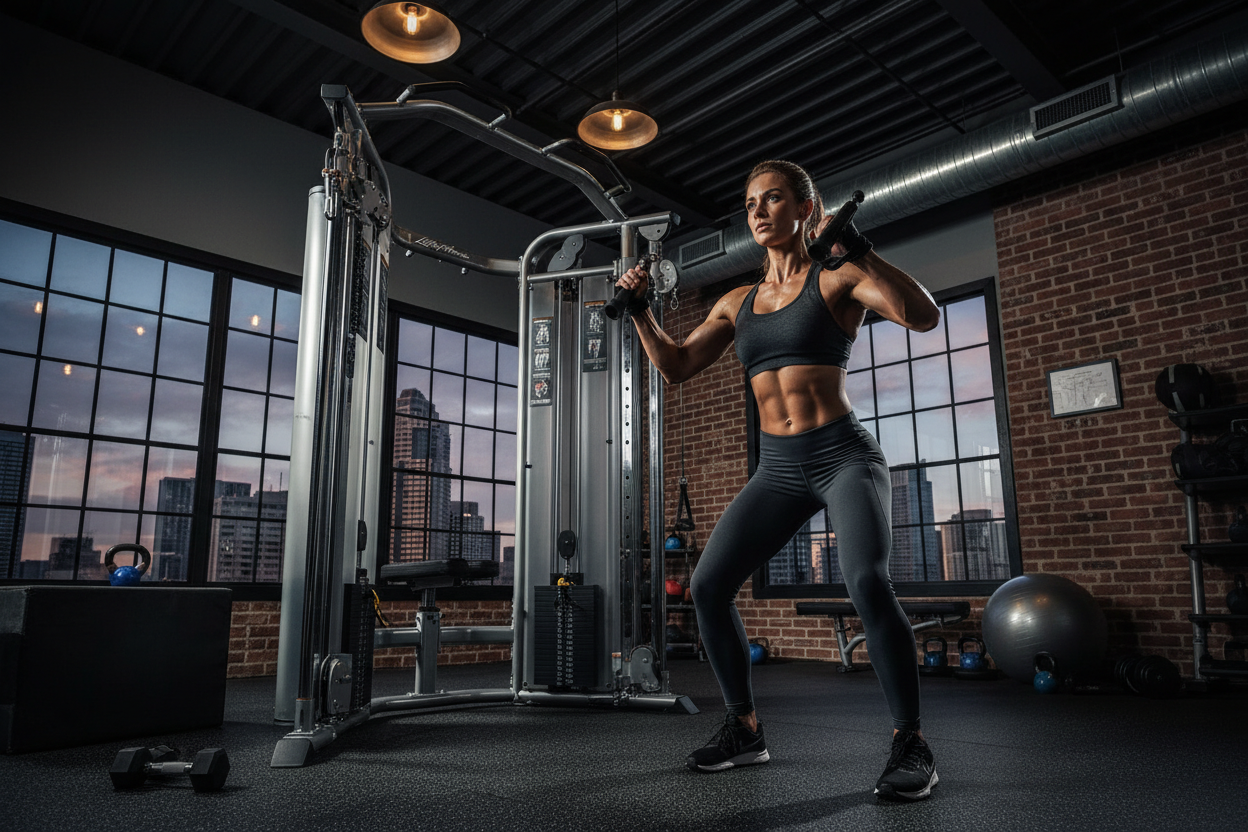
Are Weight Machines Effective? The Honest Truth
Walk into any commercial gym, and you see two distinct tribes. There are the powerlifters clanging iron in the squat rack, and there are the folks moving silently through the circuit of selectorized equipment. It begs the question: are weight machines effective for building a standout physique, or are they just expensive coat racks?
There is a pervasive myth in the fitness industry that unless you are balancing a heavy barbell, you aren't working hard. This is nonsense. While free weights are king for functional strength, ignoring machines means leaving gains on the table.
Let’s break down the mechanics, the misconceptions, and exactly when you should swap the barbell for the pin-stack.
Key Takeaways
- Yes, they work: Weight machines are highly effective for hypertrophy (muscle growth) because they provide constant tension and stability.
- Safety profile: They allow you to train to mechanical failure safely without a spotter.
- Isolation focus: Machines are superior for targeting specific muscle groups by removing the need for balance.
- The trade-off: They generally recruit fewer stabilizer muscles than free weights and force a fixed path of motion.
The Science: Why Machines Build Muscle
To understand if are gym machines effective, we have to look at what stimulates muscle growth: mechanical tension and metabolic stress. Your muscles do not have eyes. They do not know if the resistance is coming from a rusty 45lb plate or a sleek cable stack. They only recognize tension.
1. Stability Equals Output
When you squat with a barbell, a massive amount of your neural energy goes toward simply not falling over. Your core, lower back, and stabilizers are working overtime. This is great for total body strength, but it can be a limiting factor for leg growth.
Machines solve this. Because the machine handles the stabilization, you can direct 100% of your effort into the target muscle. This allows for a higher degree of motor unit recruitment in that specific tissue.
2. The Safety Net
One major reason are exercise machines effective is the ability to train to failure. If you fail a bench press alone, you are in trouble. If you fail on a chest press machine, you simply lower the handles. This psychological safety net allows you to push harder than you might with free weights.
Disadvantages of Weight Machines
It wouldn't be fair to praise them without highlighting the flaws. The disadvantages of weight machines usually stem from their design limitations.
The "One Size Fits All" Problem
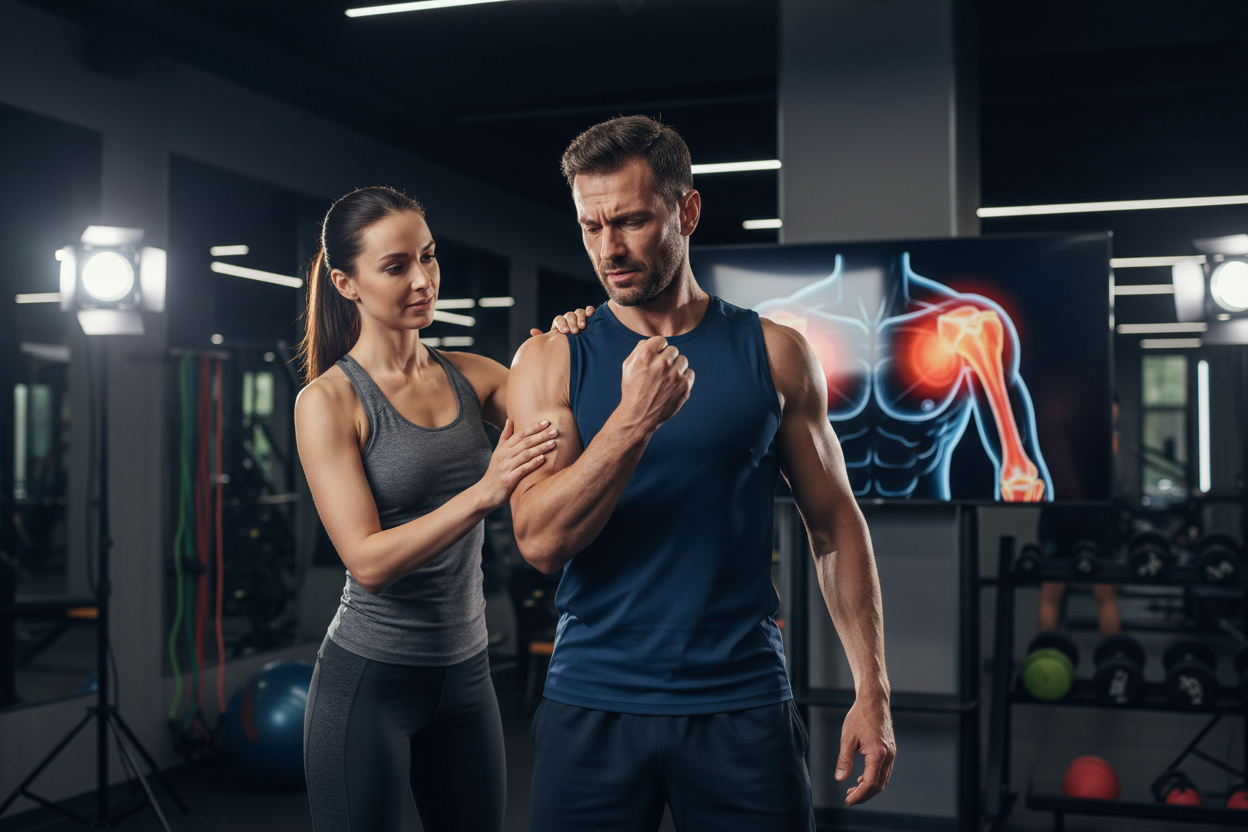
Machines have a fixed path of motion. If your biomechanics—limb length, joint structure, or mobility—don't align perfectly with that path, you risk joint strain. A barbell moves how you move; a machine forces you to move how it moves.
Neglected Stabilizers
If you exclusively use machines, you may develop "false strength." You might be able to leg press 500lbs, but if you try to squat that, you'll crumble. Machines do not teach your body how to coordinate movement through space or stabilize a load against gravity.
Machines vs. Free Weights: The Verdict
Asking "are workout machines effective compared to free weights" is the wrong question. It’s not an either/or scenario. It’s about application.
Use free weights for your primary compound movements (Squats, Deadlifts, Overhead Press) to build systemic strength and coordination. Use machines as accessories to hammer specific muscles safely and accumulate volume without taxing your central nervous system.
My Training Log: Real Talk
I want to step away from the studies for a second and share my actual experience with the question: are weight machines effective in the real world?
For years, I was a "free weights snob." If it wasn't a barbell, I wouldn't touch it. Then, I tweaked my lower back deadlifting. I was forced to switch to the Hack Squat machine for three months.
I hated it at first. I missed the feeling of the heavy bar on my traps. But specifically, I remember the sensation of the shoulder pads digging into my traps and the friction of the sled moving on the rails—that slight "wrrrr" sound on the way down. Unlike the squat, where I was always worried about my form breaking down, the Hack Squat locked me in.
I could push until my quads literally stopped firing. I remember having to manually peel my legs off the platform because I couldn't lift them. When I returned to free weights, my squat numbers hadn't dropped, but the size of my vastus medialis (the teardrop muscle) had exploded. That grit and stability changed my mind forever.
Conclusion
So, are weight machines effective? Absolutely. They are tools in a toolbox. They offer safety, isolation, and the ability to push past failure that free weights often cannot match. Don't let ego keep you off the machines. If your goal is muscle growth, they belong in your program.
Frequently Asked Questions
Can I build a good physique using only machines?
Yes. While you might lack some functional stability compared to free weight users, your muscles will grow as long as you apply progressive overload. Many bodybuilders use machines almost exclusively leading up to shows to avoid injury.
Are machines safer than free weights?
Generally, yes. The fixed path of motion and built-in safety stops reduce the risk of acute injury, like dropping a weight on yourself. However, chronic overuse of a machine that doesn't fit your body mechanics can lead to repetitive strain injuries.
Do machines burn as many calories as free weights?
Usually, no. Free weights require you to stabilize your body, engaging more muscle groups simultaneously, which tends to burn slightly more energy. However, the difference is negligible for most people compared to diet and total activity levels.