An Exercise Introduction That Won't Make You Hate Working Out
I remember staring at a $150-a-month CrossFit membership and feeling like an idiot. I just wanted to move better, not join a cult or buy a closet full of neon compression gear. Most people looking for an exercise introduction get hit with a wall of noise that makes them quit before they even break a sweat. I’ve spent a decade building my own garage gym and testing everything from $5,000 power racks to $20 resistance bands, and I can tell you: the start is always simpler than they want you to believe.
- Forget the gym membership for the first 30 days.
- Prioritize movement quality over adding heavy weights.
- Invest in a solid floor surface before buying any iron.
- Focus on showing up rather than how many calories you burned.
Why Most 'Beginner Guides' Set You Up to Fail
The fitness industry is built on making you feel inadequate. They want you to think an introduction to exercise requires a $2,000 treadmill or a cabinet full of 'pre-workout' powder that makes your skin itch. It is a distraction. When you are starting out, your nervous system needs to learn how to move, not how to navigate a complicated app subscription.
I have seen countless people burn out because they tried to follow a professional bodybuilder's split on day one. They end up so sore they can't walk for a week, and then they never go back. Real progress is boring and repetitive. It is about building a baseline of strength without the fluff that influencers use to get views.
The 'Floor First' Philosophy for New Lifters
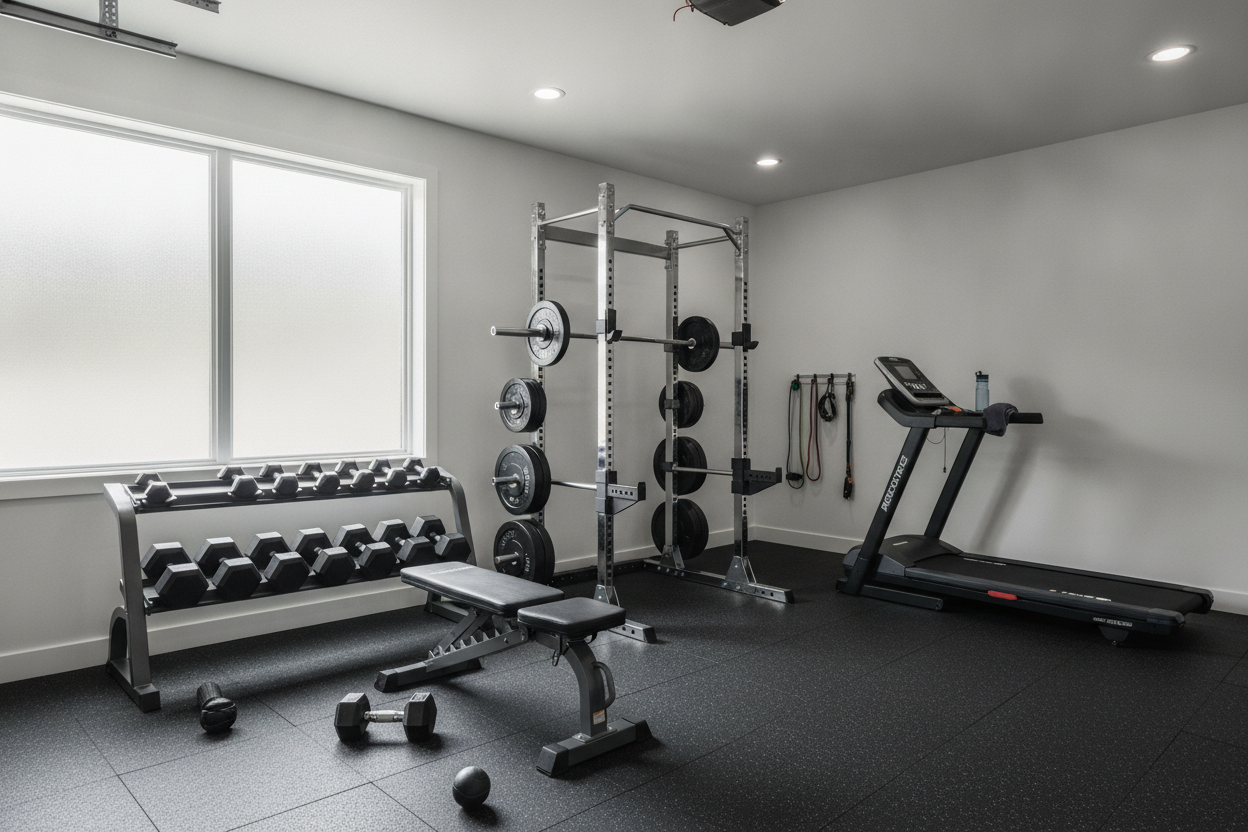
I tell everyone the same thing: spend your first month on the floor. Machines stabilize the weight for you, which is great for bodybuilders but terrible for someone trying to build a foundation. You need to feel your feet on the ground and learn how your joints actually function under gravity. I have seen guys buy a full rack and a bar on day one only to have it become a laundry hanger by day thirty because they never learned the basics.
Start with a Large Exercise Mat 6X4. You need enough real estate to sprawl out without your hands slipping on hardwood or getting carpet burn. If your space is weirdly shaped or you are working in a tight apartment corner, browse a full Large Exercise Mat collection to find the right dimensions for your setup. A 6x4 foot space is usually the sweet spot for most living rooms and provides enough grip to train barefoot safely.
3 Bodyweight Movements That Actually Matter on Day One
You do not need a 45-lb barbell to get strong. An effective introduction exercise routine focuses on the 'Big Three' of bodyweight: the Air Squat, the Push-up, and the Glute Bridge. These movements translate directly to real-world strength and keep you out of the physical therapist's office.
The air squat teaches you how to use your hips without blowing out your back. Keep your chest up and your heels glued to that mat. The push-up builds chest and shoulder stability—if you cannot do a full one, drop to your knees. Finally, the glute bridge fixes the damage done by sitting in an office chair for eight hours. Do three sets of ten of each. If you cannot do ten, do five. Just do them consistently.
Ignoring the Noise: Why Spot Reduction is a Myth
I see it every January: people doing 500 crunches thinking they will see their abs by February. It does not work that way. Any introduction about exercise that promises to 'melt belly fat' with a specific movement is lying to you. You cannot pick where your body loses fat, no matter how many 'core burners' you do.
If you are looking for an Exercise To Flatten Belly The Truth About Core Training, the reality is that core strength is about stability, not aesthetics. You lose fat through a caloric deficit and total body movement. Your first few weeks should be about moving your whole body, not obsessing over your midsection with a plastic ab-roller that will eventually just collect dust under your bed.
How to Measure Progress When You Are Just Starting
Stop weighing yourself every morning. Your weight fluctuates based on water, salt, and even how much sleep you got. During your first month, your 'PR' (personal record) isn't a weight on a bar; it is the fact that you showed up four days a week. That is the only metric that matters right now.
I suggest tracking your sessions on a physical calendar. Put a big 'X' on the days you move for at least 20 minutes. If you hit 16 sessions in your first month, you have won. Once you have the habit, then we can talk about buying dumbbells or a squat rack. Until then, stay on the mat and keep moving.
Do I need to wear shoes while working out at home?
No. In fact, I recommend training barefoot or in socks on a grippy mat. It helps build the small muscles in your feet and improves your balance, which shoes often mask.
How long should these initial workouts be?
Keep them to 20 or 30 minutes. The goal is to finish feeling like you could have done a little more. This keeps you coming back the next day instead of dreading the effort.
What if I can't do a single push-up?
Start with your hands on a kitchen counter or the back of a sturdy sofa. As you get stronger, move your hands to a lower surface like a coffee table, and eventually to the floor.