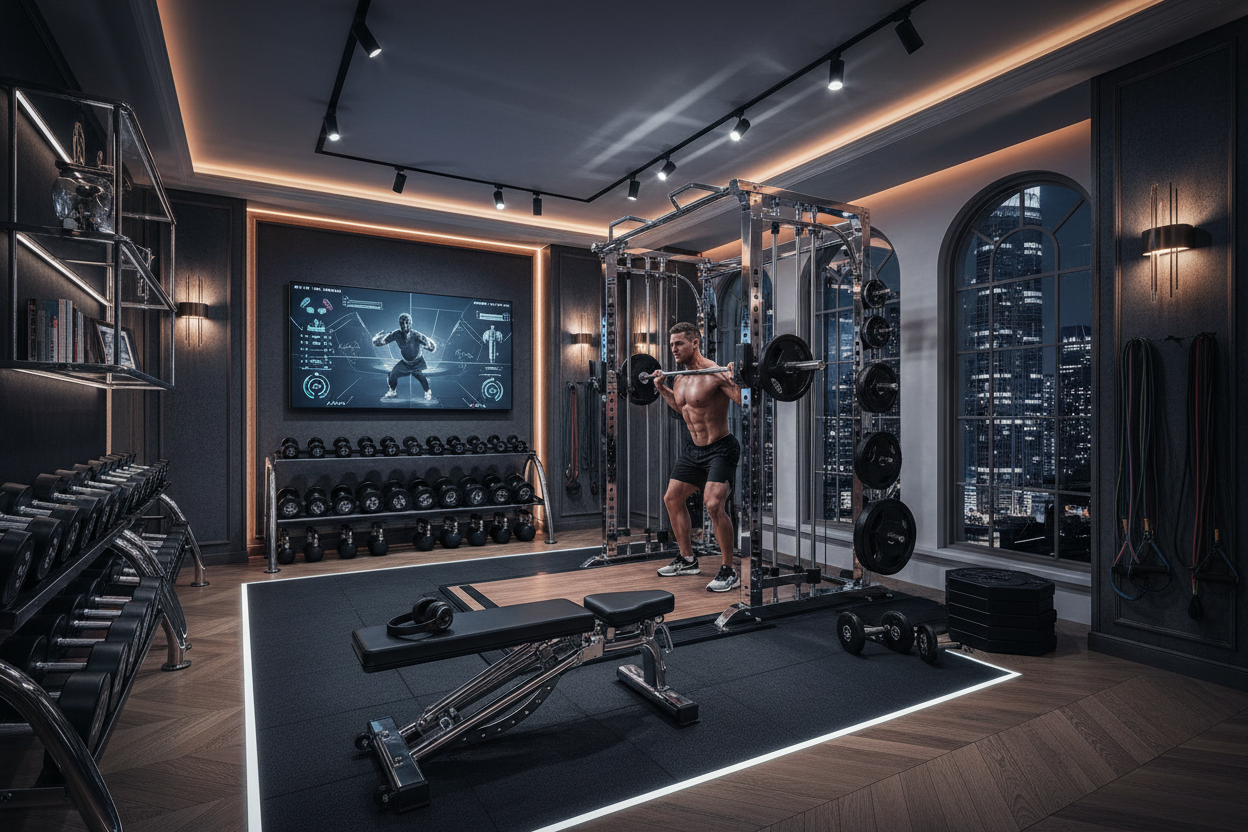
All-In One Gym Rack: Is It Actually Worth the Investment?
If you are trying to build a comprehensive home gym, you have probably hit the classic roadblock: you want to do heavy squats, cable crossovers, and lat pulldowns, but you only have half a garage to work with. Cramming a power cage, a functional trainer, and a Smith machine into a 150-square-foot room is a logistical nightmare. That is where an all-in one gym rack steps in to save your floor plan.
Combining multiple pieces of heavy-duty equipment into a single footprint, these hybrid machines promise commercial-level versatility without eating up your entire basement. But with price tags often stretching into the thousands, are they actually the right move for your training style? Let's break down exactly what you need to know before making the investment.
Key Takeaways
- Space Efficiency: Replaces up to three massive machines (power rack, functional trainer, Smith machine) in a single 6x6 foot footprint.
- Cost to Value: While the upfront cost is high, it is significantly cheaper than buying a separate rack, cable machine, and weights.
- Ceiling Clearance: Most units require at least 84 to 90 inches of vertical clearance, which is critical for basement gyms.
- Attachment Ecosystems: The true value lies in the attachments—J-hooks, spotter arms, dip stations, and leg rollers dictate your workout variety.
Crucial Specs to Compare Before You Buy
Not all hybrid racks are created equal. When you are assessing an all-in one gym rack, you need to look past the shiny exterior and focus on the structural integrity and mechanics.
Steel Gauge and Frame Stability
For a piece of equipment that handles heavy barbell drops and dynamic cable movements, you want 11-gauge or 12-gauge steel framing. Anything thinner (like 14-gauge) might wobble during heavy pull-ups or aggressive racking. Look for 2x3 or 3x3-inch uprights for maximum stability and compatibility with aftermarket attachments.
Pulley Ratios and Weight Stacks
Pay close attention to the cable system. A 2:1 pulley ratio means a 100-pound weight stack will feel like 50 pounds of actual resistance. This is great for explosive movements and chest flyes, but if you want to do heavy lat pulldowns, you might max out the stack quickly. Some premium models offer a 1:1 ratio for direct, heavy pulls. Decide whether you prefer selectorized weight stacks (convenient but expensive) or plate-loaded carriages (budget-friendly but slower to change).
Space Planning: Will It Actually Fit?
The biggest mistake buyers make is underestimating the true footprint required. It is not just about the dimensions of the rack itself; it is about the working space around it.
The Garage vs. Basement Dilemma
In a standard two-car garage, depth is rarely an issue, but you need to account for a 7-foot Olympic barbell extending past the sides of the rack. Allow at least 2 feet of clearance on the left and right sides for loading plates. If you are setting up in a basement, ceiling height is your primary enemy. Measure your ceiling to the lowest joist or ductwork. You need a minimum of 84 inches for the rack, plus extra room if you plan on doing strict overhead presses or muscle-ups.
From Our Gym: Honest Take
We have tested over a dozen hybrid trainers in our facility over the last three years. Personally, making the switch to an all-in one gym rack was a game-changer for my own garage setup, but it came with a learning curve.
The linear bearings on the Smith machine glide beautifully for heavy incline presses, and having dual adjustable pulleys meant I finally stopped skipping accessory work. However, here is the honest truth most product pages leave out: attachment storage can be incredibly frustrating. When you have a leg press plate, dip bars, jammer arms, and multiple cable handles, they end up cluttering the floor if the rack does not feature dedicated, built-in storage pegs. If you buy a fully-loaded rack, make sure you also invest in a wall-mounted storage strip.
Frequently Asked Questions
Is an all-in one gym rack worth the high price tag?
Yes, if you value versatility and have limited space. While a $3,000 to $5,000 upfront cost seems steep, buying a standalone commercial power rack, a dual-stack functional trainer, and a Smith machine separately would easily cost double and take up three times the floor space.
Can I assemble a hybrid rack by myself?
While it is technically possible to assemble it solo, we highly recommend having a second person. Routing the aircraft cables through the pulley system and standing up the heavy steel uprights is difficult and potentially dangerous to do alone. Expect assembly to take anywhere from 4 to 8 hours.
Are the Smith machines on these racks commercial grade?
It depends on the bearing system. Entry-level models often use nylon bushings, which can feel sticky or drag under heavy loads. Mid-to-high-end racks use linear bearings, which provide the smooth, frictionless glide you expect from a commercial gym Smith machine.