
Add MPH to Your Fastball: The Ultimate Lower Body Routine for Baseball Players
Velocity comes from the ground up. Whether you are launching a home run or painting the corner at 90 mph, the energy originates in your feet, travels through your legs, and transfers through your core before it ever reaches the bat or ball. The most effective approach to a baseball leg workout focuses on ground reaction force, single-leg stability, and explosive lateral power rather than simple bodybuilding aesthetics.
Many athletes make the mistake of training like powerlifters, assuming a heavy back squat automatically translates to on-field performance. While raw strength matters, baseball requires the ability to express that strength quickly and often on one leg. I remember working with a high school senior who had massive quads and a 400-pound squat but struggled to break 80 mph on the radar gun. He had strength, but he lacked the elasticity and mobility to transfer it. Once we shifted his focus to unilateral movements and plyometrics, his velocity jumped significantly within an off-season. This guide covers exactly how to build functional baseball legs that produce real power.
The Philosophy Behind Baseball Lower Body Workouts
Baseball is a rotational sport played primarily in the transverse and frontal planes. A standard gym routine often keeps you moving only forward and backward (sagittal plane). To build a truly effective baseball lower body workout, you must prioritize movements that mimic the demands of the game. This means incorporating lateral lunges, rotational power work, and exercises that challenge your balance.
Leg workouts for baseball players should generally follow a hierarchy: mobility first, then stability, then strength, and finally power. If you have strong glutes but tight hips, you cannot open up your stride to deliver a pitch. If you have explosive power but no stability, you leak energy every time your foot hits the dirt. The goal is to build a kinetic chain that is efficient and leak-proof.
Essential Baseball Leg Exercises for Power
When selecting baseball leg exercises, we look for high transferability to the field. These movements form the foundation of a solid routine.
1. The Trap Bar Deadlift
This is arguably the king of leg workouts for baseball players. Unlike a conventional straight-bar deadlift, the trap bar places the load in line with your center of gravity. This reduces shear force on the lower spine—crucial for protecting a player's back—while allowing for heavy loading to build raw force production. It targets the glutes, hamstrings, and quads simultaneously.
2. Bulgarian Split Squats
Baseball is rarely played with both feet planted symmetrically. You are sprinting, lunging for a ground ball, or driving off the rubber. The Bulgarian Split Squat is a staple in any leg workout for baseball because it exposes and corrects imbalances between the left and right sides. It builds massive hip stability and knee health, which is vital for preventing injuries during a long season.
3. Lateral Heiden Jumps (Skaters)
For pitching leg workouts, lateral power is non-negotiable. The Heiden Jump mimics the drive phase of the pitching delivery. The focus here isn't just on how far you can jump, but how cleanly you can stick the landing. Being able to decelerate force is just as important as creating it, specifically for the lead leg block in pitching.
4. Romanian Deadlifts (RDLs)
Hamstring health is critical for sprinting speed and deceleration. RDLs strengthen the posterior chain without the heavy compressive load of a max squat. Strong hamstrings are often the difference between a healthy season and a nagging pull while running out a grounder.
Specific Considerations: Leg Workouts for Pitchers
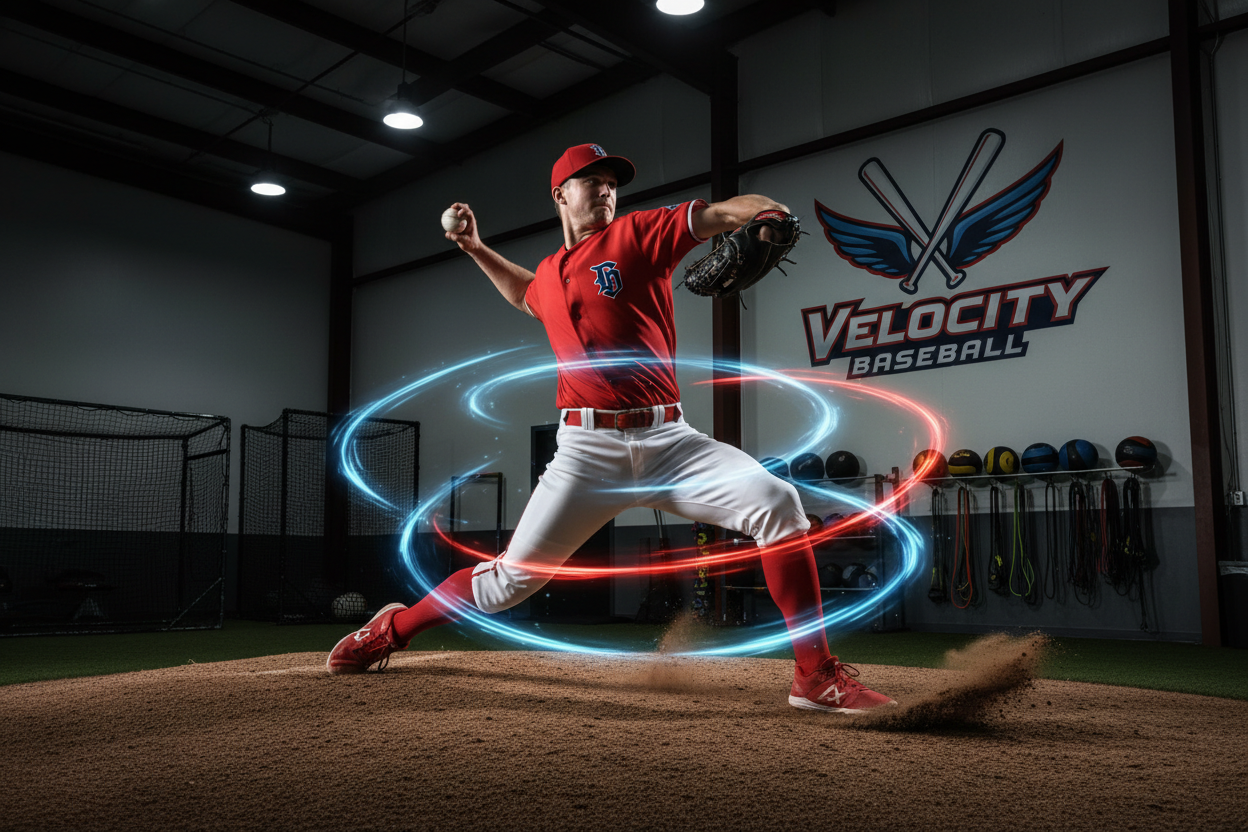
Pitchers have unique demands. The best leg workouts for pitchers emphasize the "drive leg" (concentric power) and the "lead leg" (eccentric strength/braking). If the lead leg collapses upon landing, you lose the energy created by the drive leg, resulting in lower velocity and higher stress on the elbow.
Leg exercises for pitchers must include tempo work. For example, performing a squat with a slow eccentric (lowering) phase and an explosive concentric (upward) phase teaches the body to store and release energy. Additionally, leg workouts for baseball pitchers should avoid excessive volume during the season. You want to stimulate the nervous system, not annihilate the muscle fibers to the point of fatigue that alters mechanics.
Some of the best leg exercises for pitchers involve med ball integration. Med ball scoop tosses and rotational slams bridge the gap between lifting weights and throwing a ball, teaching the lower half to sequence correctly with the upper half.
Structuring Your Baseball Leg Day
A good leg day for baseball players balances heavy compound lifts with plyometrics. You don't need to live in the gym for three hours. Quality trumps quantity. Here is a sample structure for an off-season session aimed at increasing power output.
- Warm-up: 10 minutes of dynamic stretching and hip mobility (90/90 stretches, leg swings).
- Power Block: Box Jumps or Lateral Bounds (3 sets of 5 reps). Do these while fresh to maximize explosiveness.
- Main Strength: Trap Bar Deadlift or Front Squat (4 sets of 4-6 reps). Focus on moving the bar with intent.
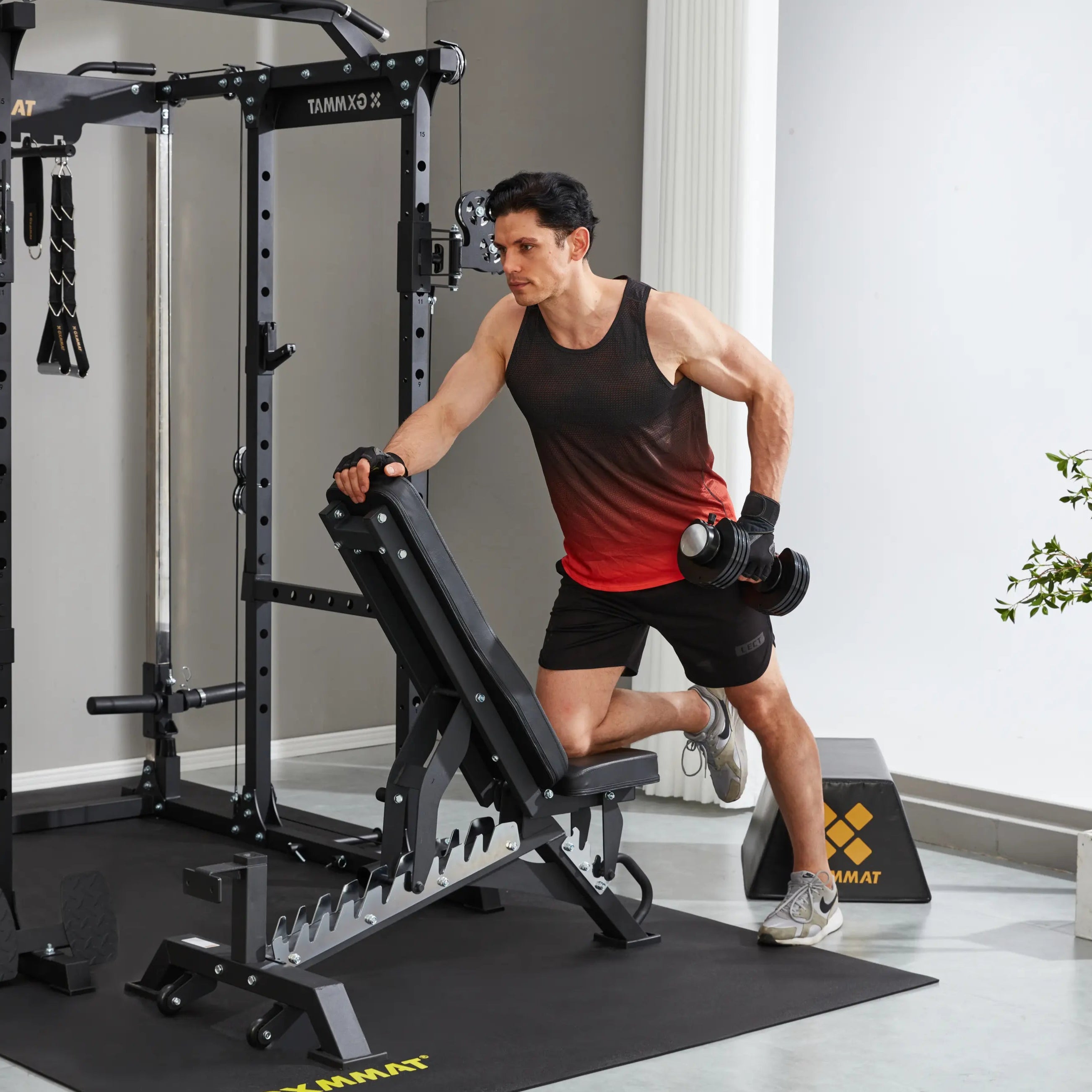
- Unilateral Work: Reverse Lunges or Split Squats (3 sets of 8 reps per leg).
- Posterior Chain: Glute Ham Raises or Kettlebell Swings (3 sets of 10-12 reps).
- Core/Stability: Paloff Press or Plank variations.
The best leg workouts for baseball players change depending on the time of year. In the off-season, you push heavier weights to build a base. In the pre-season, you shift toward speed-strength (moving moderate weights fast). In-season, the focus shifts to maintenance and mobility to keep baseball player legs fresh for game day.
Common Mistakes to Avoid
One major pitfall in good leg workouts for pitchers is neglecting the adductors (groin muscles). The groin is heavily involved in the stride and rotation. If you only train the quads and hamstrings, you risk a groin strain. Incorporating Copenhagen planks or lateral lunges ensures the inner thigh muscles are strong enough to handle high-velocity movements.
Another error is chasing soreness. A baseball lower body workout shouldn't leave you unable to walk for two days. If you are too sore to practice skills or field ground balls, the workout was counterproductive. The goal is performance enhancement, not fatigue seeking.
Building the Ultimate Baseball Physique
When people talk about "baseball legs," they are usually referring to a lower body that is thick through the glutes and hamstrings but mobile enough to move freely. This physique is a byproduct of function. By focusing on the best leg workouts for pitchers and position players outlined above, the aesthetic results will follow the performance gains.
Remember that consistency is the key driver of adaptation. Doing the perfect leg workouts for baseball players once a month won't change your game. Committing to a progressive plan that prioritizes single-leg strength and lateral power will eventually turn your lower half into a velocity-generating machine.
Frequently Asked Questions
How often should pitchers train legs during the season?
Pitchers should aim for leg workouts 1-2 times per week during the season, ideally timing the heavier session immediately after a start or high-volume throwing day. This allows the maximum amount of recovery time before the next pitching appearance.
Are heavy squats bad for baseball players?
Heavy squats are not inherently bad, but they must be performed with perfect technique to avoid back strain. Many strength coaches prefer front squats or trap bar deadlifts as safer alternatives that provide the same force-production benefits with less spinal compression.
What is the best exercise for pitching velocity?
While no single exercise guarantees velocity, lateral bounds (skater jumps) combined with heavy unilateral strength movements (like split squats) offer the highest transfer to pitching. These exercises train the specific force vectors used when driving off the mound.